
· 14 min read · Leadership Interviews
Lessons from the Edge: Leadership, Resilience, and Exploration. A Conversation with Explorer Louis-Philippe Loncke
In this month’s interview, explorer Louis-Philippe Loncke shares lessons from the edge of human endurance—where leadership, resilience, and purpose are tested to their limits. His experiences offer a unique perspective on what it takes to lead in both extreme environments and everyday life.
Louis, let’s start with a short description of yourself
I’m Louis-Philippe Loncke from Belgium. I was a JCI member for 5 years (2013–2017), and my last World Congress was in Tallinn in 2019. I studied engineering and added a few more master’s degrees. In 2002, I was sent to Singapore by ING Bank and discovered scuba diving. From there, I decided to take a year of traveling (Australia, New Zealand, Fiji, French Polynesia, and New Caledonia) in 2004, where I discovered hiking in the wild, open spaces of those fantastic countries.
I met a few professional explorers and adventurers, and in 2006—20 years ago—I started my first expedition by becoming the first person to walk across a very mountainous national park in Australia, completely unassisted.
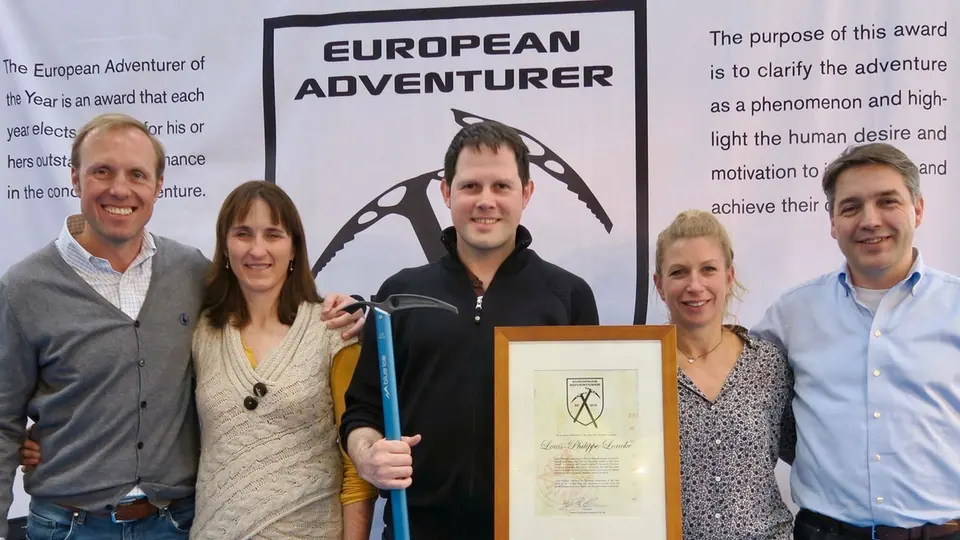
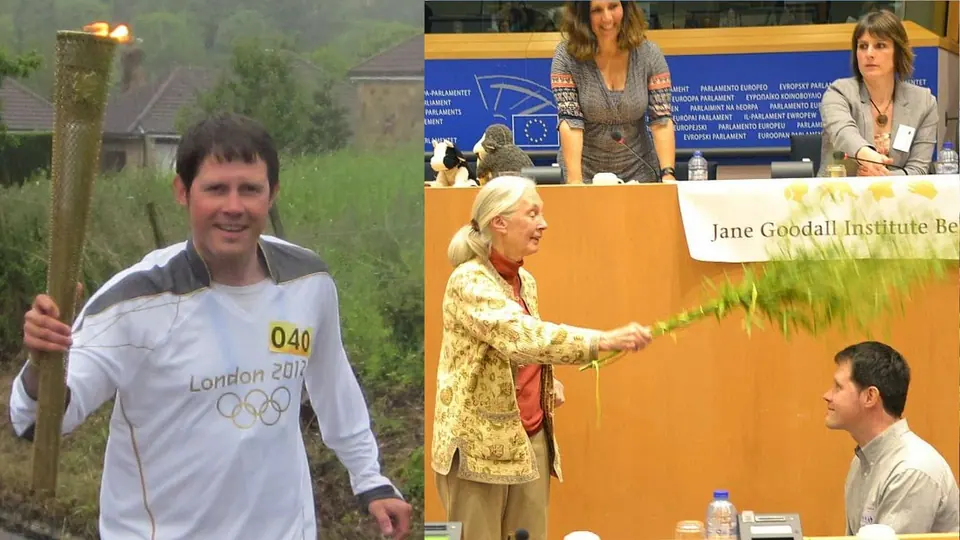
In 20 years, I completed 20 expeditions around the globe; 14 are world firsts. In 2016, I received the European Adventurer of the Year award for crossing Death Valley (USA), the two Bolivian salars, and the Simpson Desert (Australia) in one year. Most expeditions are solo and very extreme; some include scientific research, and I often try to link them to ecological water issues. After showing the trash in Belgian rivers and canals by kayaking, I was selected to carry the Olympic Torch for London 2012 and became an ambassador of the Jane Goodall Institute in Belgium.
I work as a freelance GDPR Privacy and Data Protection Officer, and I’m now starting to produce films about my expeditions and hopefully write a few books about the best ones.
I’m also working on a few startup projects, including a travel social media platform that I hope to launch one day at a major JCI event, because it will have a special JCI functionality.
You can find TV interviews, Wikipedia, and shows here: https://sleek.bio/LonckeLPh, and you can follow me on social media at @LouPhi.explorer.
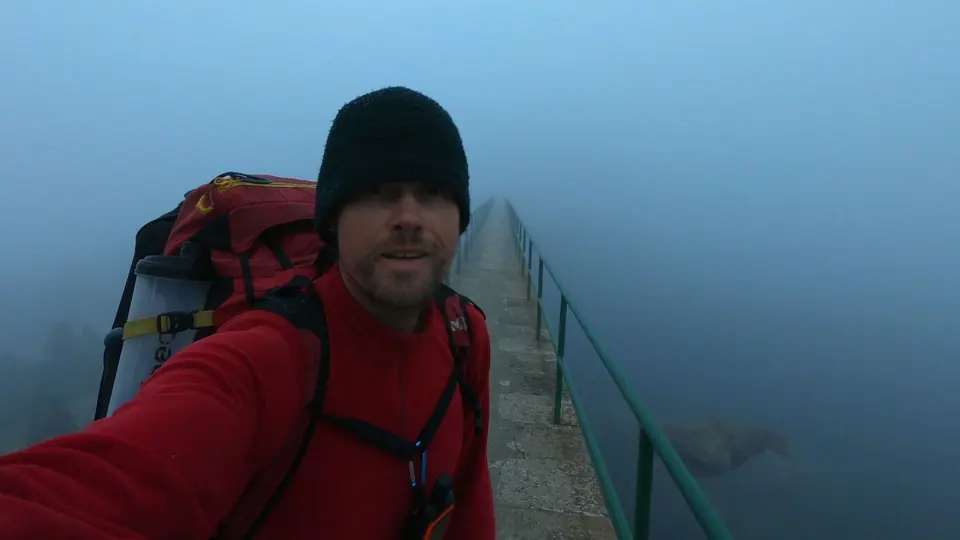
What does leadership mean to you personally, and how has your understanding of it changed through your expeditions and professional journey?
Real leadership, to me, is about transparent communication toward the goal to achieve. If you can explain your goal and have your team adhere to it, then in hard times you can remind everyone why they are there: to achieve the common goal.
I think a good leader is not seeking direct benefit. The benefit he or she wants is to grow, learn, and try to have some fun along the way. If you start by wanting to win or gain, then you may misbehave like a bad politician: lie, manipulate… A good leader can also make sacrifices for the team or toward the goal.
In my JCI career, I decided not to run for president of my local chapter in 2015 because there were two strong opposing groups: the younger ones and the older ones. If I had won as an “older” person, all new or candidate members—who had no idea yet what JCI was really about—might have left. So I decided to help the younger president and advise him where needed. It became a bit my function over the years, and even after I reached 40 and left JCI, I still came back to help. I wanted my chapter to stay alive.
Also, for those who have been to the European Academy—without revealing details—there’s a team assignment, and I decided to support a team member to lead, which led me to win the special award.
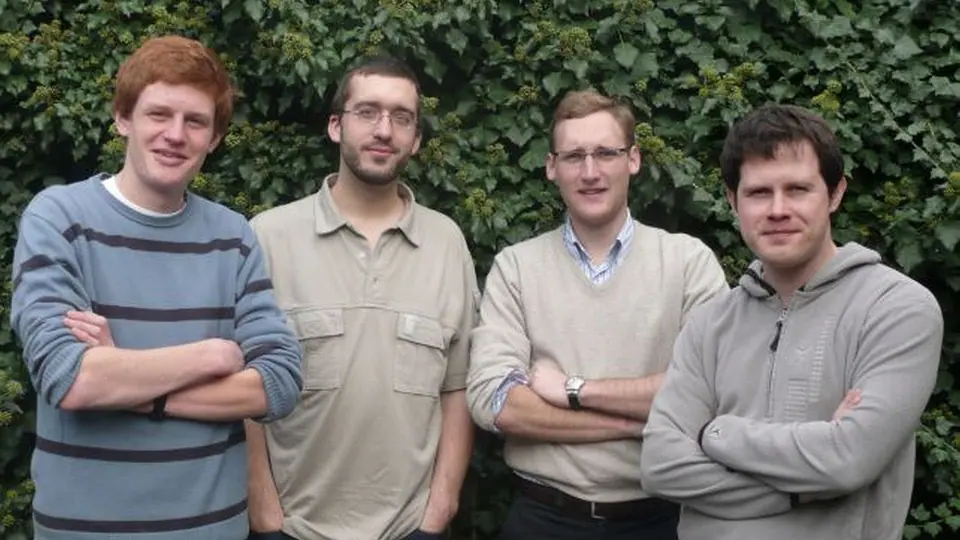
Which personal values guide you most strongly when you lead yourself and others under extreme conditions?
That is the thing: under extreme conditions, we are not 100% ourselves. We can be tired, selfish, grumpy, or even totally scared or blocked.
I suggest being humble because nature always wins. If everyone is safe and not in a situation with potential injury or death, then practice openness again, get some sleep, and think about the WHY you are there.
The team leader must really listen to the members. The team is as strong as its weakest member. A good leader with experience will know whether there is a margin to take a break or if you have to push through to reach the goal. Perhaps we don’t perform as well as we want today, but tomorrow might be a better day.
Expeditions are hard, and a lot can go wrong. Be open, show your weaknesses, and give yourself or the team a rest day if needed. For this, you need to plan well to allow enough time or resources to complete the mission.
And of course, if the goal is near, sometimes the rest day simply happens when the expedition’s goals have been achieved.
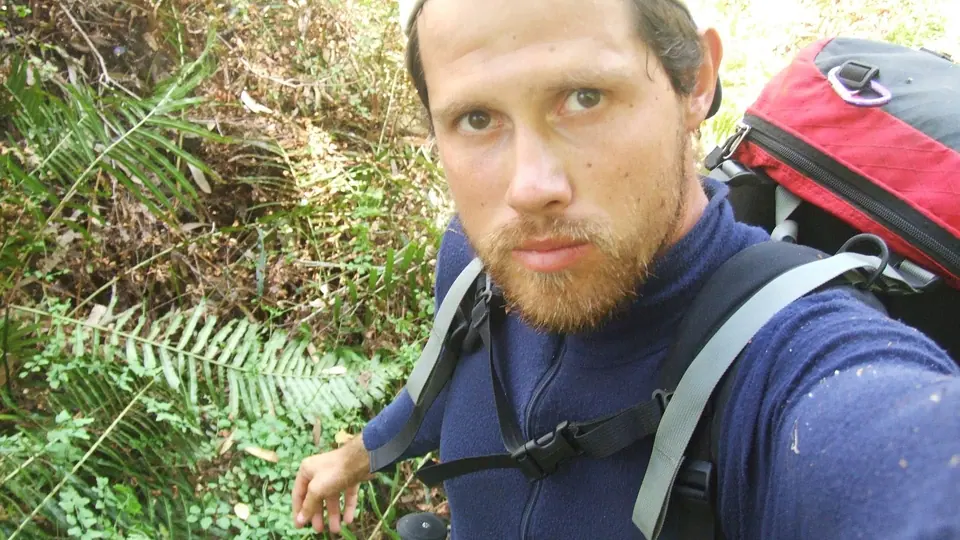
Can you share a moment when you had to redefine your leadership approach mid-expedition or during a major challenge?
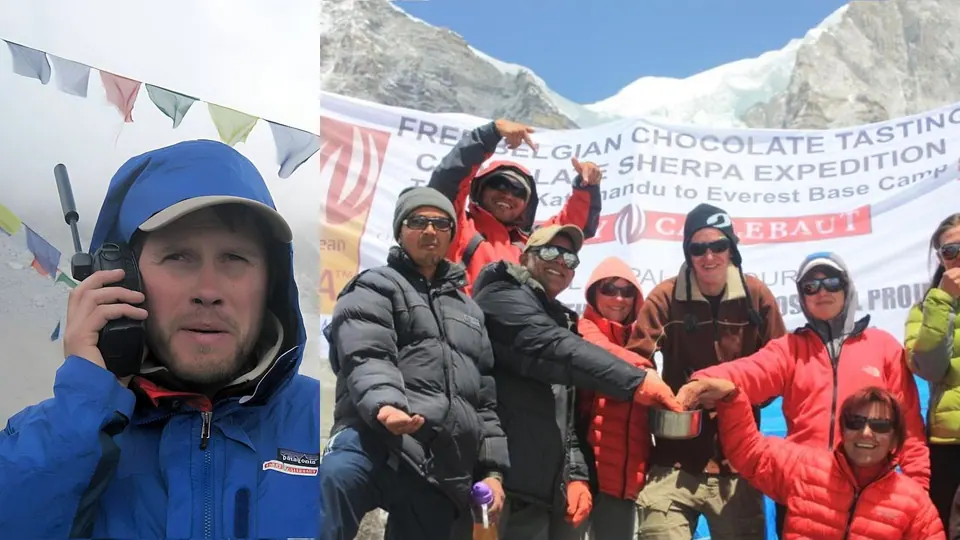
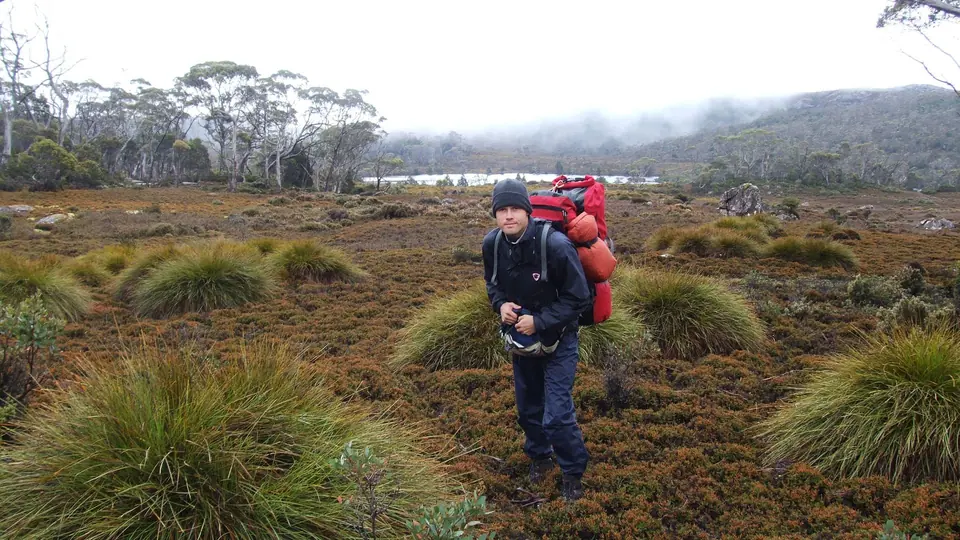
On an expedition in 2009 toward Mt Everest, where my team and I organized the highest chocolate tasting in the world at base camp to raise funds for the first Nepal Mobile Hospital, we were all unhappy one day because the trek was hard and the team was struggling.
I did only one thing: I reminded everyone that we were doing this expedition during our holiday. There was no reason to do something we didn’t want to do, but we came with the goal to reach base camp with our chocolate. One team member got sick and didn’t reach base camp. We were two at base camp, and I got sick the day after arrival.
I was 32 years old and had to trust the success of the tasting event to one person who had just turned 19 years old. He managed everything like a chief and had a lot of fun doing it. I had created a team of people who were not friends but wanted to do something good. We became friends after the expedition and still try to meet sometimes.
Again, set a clear goal and vision, have everyone agree, and trust that motivated people will make it work.
Adventure, by essence, is seeking the unknown. Planning is important, but the adventure begins when unforeseen problems arise and you have to find solutions. This is how you learn.
It’s exactly the same when you start a new type of business: you go for it, you make mistakes, you learn. There are plenty of risks, and you tackle them one by one. Usually, the greater the risk (probability of failure), the greater the reward. Money in the case of business, and achieving a hard world first in the case of an outdoor expedition.
I was still sick and slow while going back toward Lukla (the airport back to Kathmandu). The two other Belgian team members arrived one day before me. But because I was slow, a TV film crew from Brazil met me, and I could tell, on the largest TV channel in Brazil, that some Belgians had organized a chocolate tasting (I had walked 400 km) for the Nepal Mobile Hospital. This raised awareness about the health situation in the high Himalayas. I later received messages from Brazilians who saw me on TV. It made the whole expedition worthwhile.
Your expeditions often involve risk, uncertainty, and solitude. How do you maintain focus and leadership when outcomes are unclear?
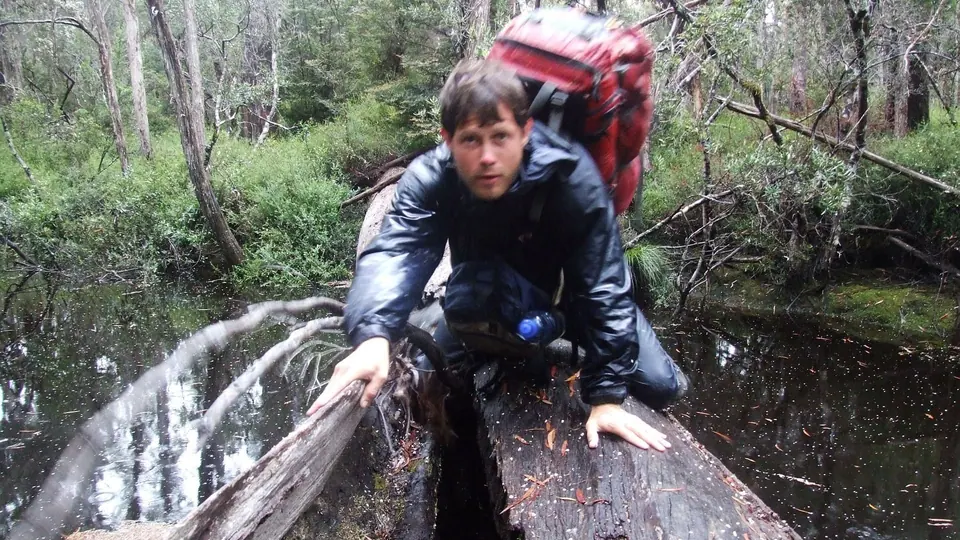
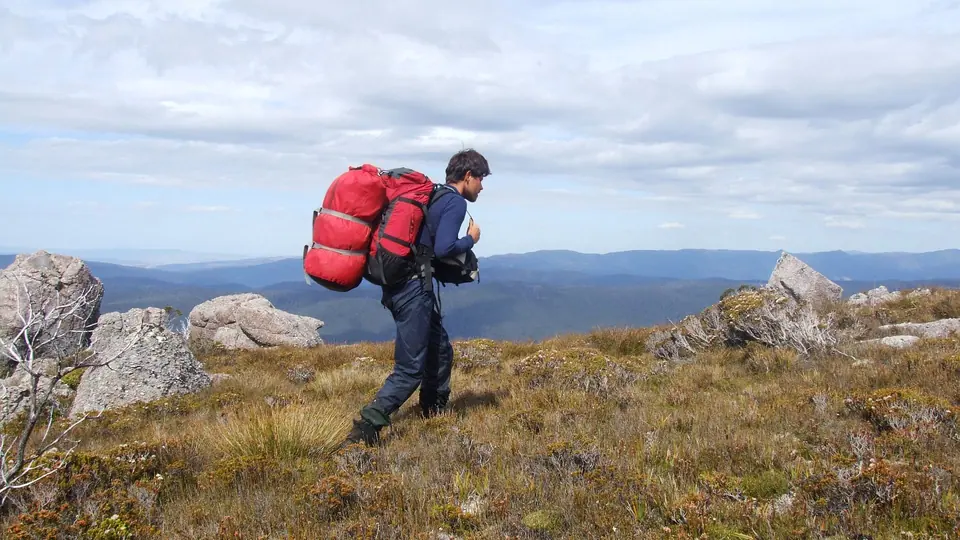
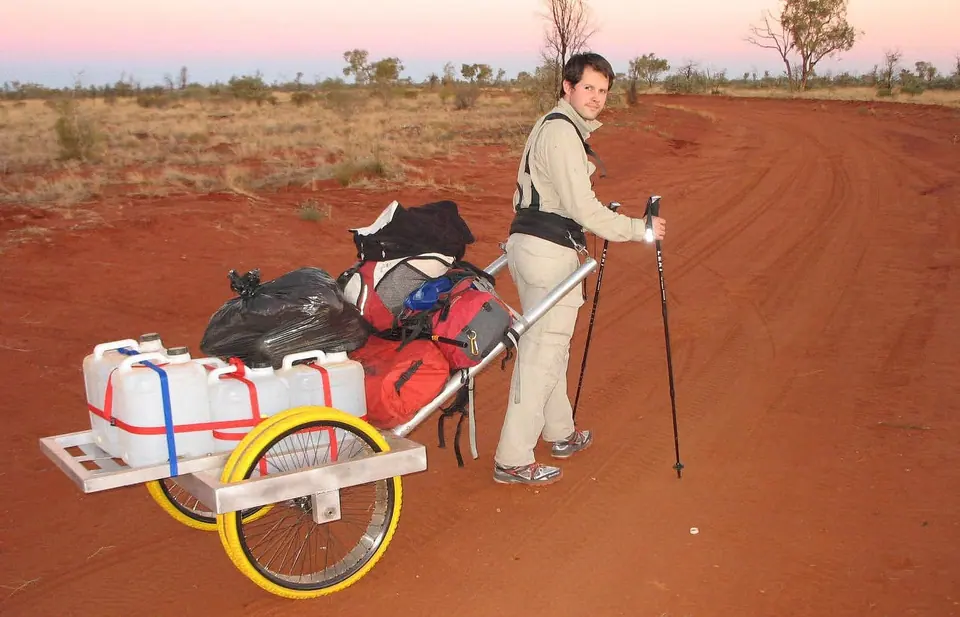
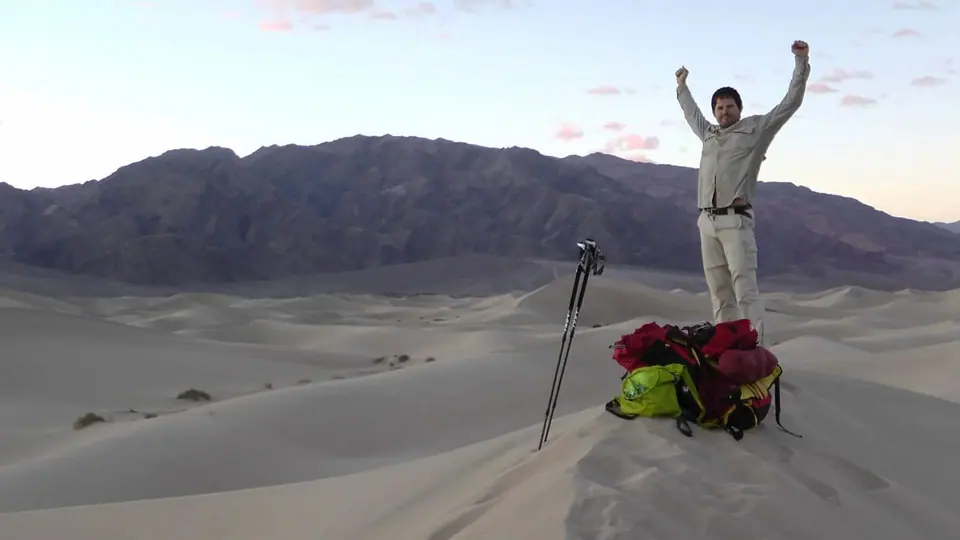
I have the main goal and also smaller goals that I try to achieve every day, like walking 20 km. On expedition, the brain is very active and uses a lot of energy. If you don’t drink, eat, or sleep enough, your brain will not function properly. You have to think in the long run—it’s not a race, it’s a marathon. And yes, physically some expeditions feel like three marathons per day, every day, for weeks.
Step by step is the key. A bit like in those video games where you must manage all resources and try to use them at the right time… and you never know what hurdles will come each day.
No wonder I once lost 16 kg in 52 days! I survived and made history, but I was cooked for the next 18 months. When I got home, my brain told my body: we’re home, no more! And I couldn’t run or jump for the next 6 weeks.
In moments of extreme stress or danger, what inner resources or habits help you stay resilient and decisive?
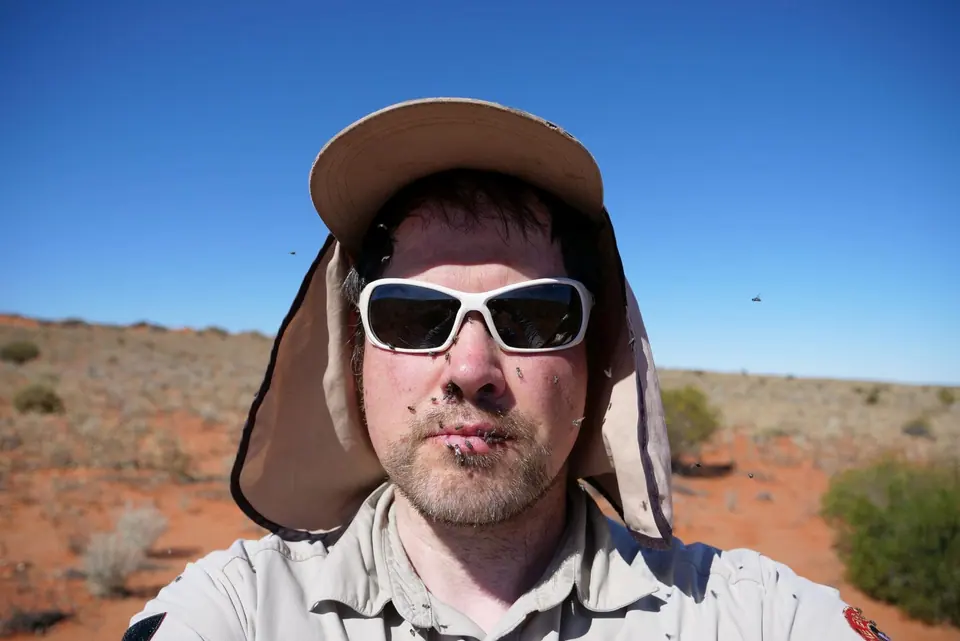
Another way to say what I said earlier: the human body is very capable of great endurance. Our brain is a fantastic control center, but it will shut down abilities like memory under stress or danger to preserve energy for the mental and physical functions that need it most. So, if you know you are going to have a hard time, take a break before the big effort, drink, and consume sugar (chocolate is always fine).
And know that if you reach an extreme point, like a mental breakdown or after an injury, you must think in advance about how to react in those situations. If you have never visualized what to do in a bad situation, you will not do the right thing when you are in shock.
On an expedition in Iceland, my foot fell into a sharp crack and the skin on my tibia shifted, so I saw my bone for two seconds. I knew I was going to be in shock and might fall unconscious. I put the skin back over the bone, started to breathe very deeply on purpose, put my backpack down, took out my medical kit, warm jacket, water, and two muesli bars. I ate, drank, disinfected the leg, and wrapped my 1.5-meter bandage around the wound. Then I sat down and calmed myself for three hours without moving.
After that, I assessed the next potential problem: lack of water. I focused only on that. Walking slowly on one leg until I reached water, and then I rested. I decided I would choose the next step in the morning—not now, tomorrow. Today, the only goal was to rest my body and hope the infection was not too severe.
How do you balance self-reliance with the need to collaborate or seek support, especially in preparation for a significant challenge?
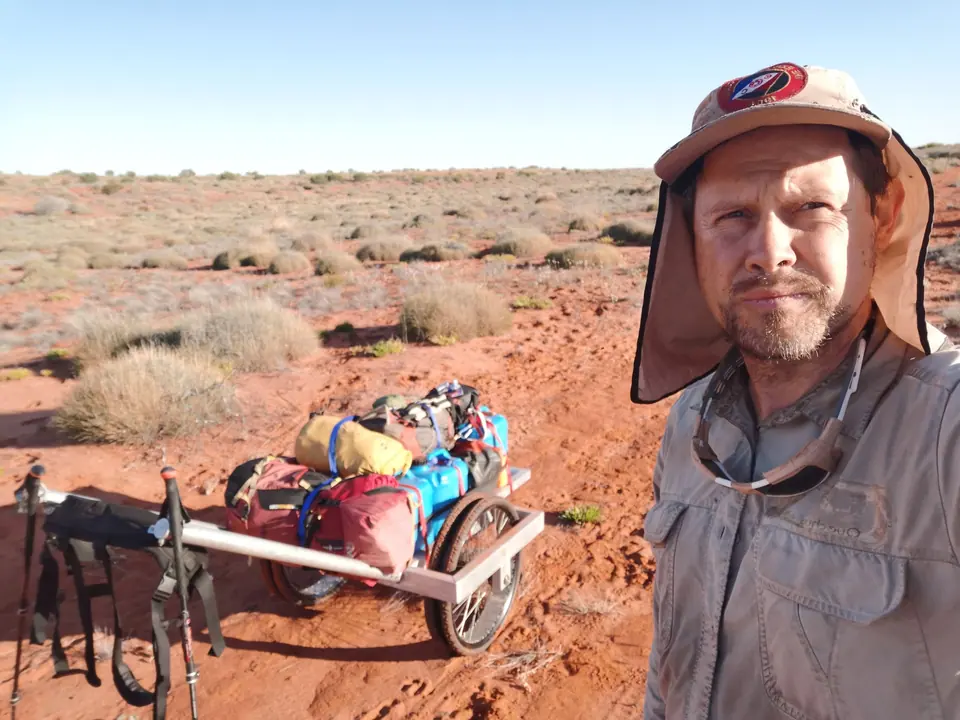
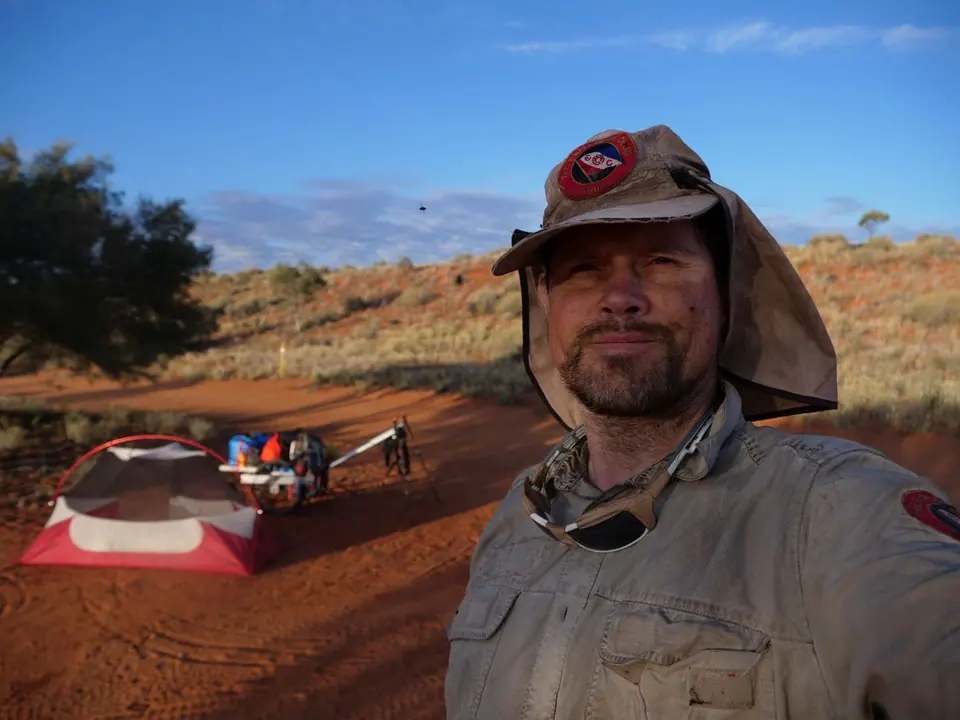
Most of my expeditions are extremely demanding, so I must manage every activity myself. However, I do rely on professionals who design outdoor equipment, and within the adventure community, we sometimes support each other with advice.
I also try to minimize communication by leaving messages on a friend’s voicemail via satellite phone. They listen and write my blog. I avoid bringing a laptop or using high-speed internet (even though it’s possible now) to create content during the expedition. It breaks the sense of solitude I am looking for. I also don’t want to be considered an influencer.
In short: I gather information from the best sources because my life is at risk.
For future, larger projects, I may work with a team—especially if filming me is not dangerous for the crew. For now, I don’t have sponsors, so that remains for later.
What are the most important leadership lessons you’ve learned from expeditions that apply to everyday leadership outside of extreme environments?
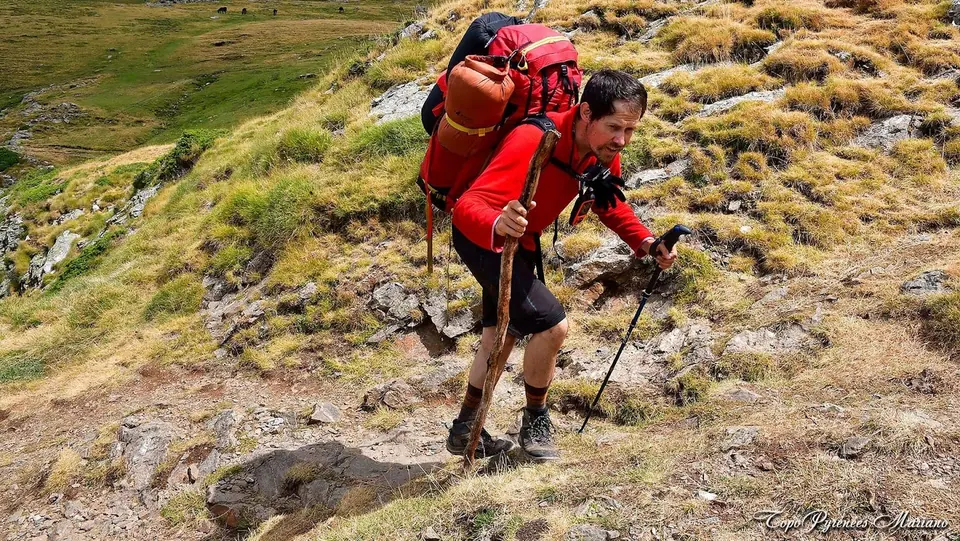
- Try to use the best tools possible, adapted to what you need to do. Do not go for cheap items that could break. You’ll end up wanting to buy quality anyway afterward.
- Manage your tools. Clean and check them at least once a year if they are not used. Or rent if you can. I once made a deal with a kayak tour company: we had two free kayaks to use, and I had to donate my super carbon fiber paddle to the owner at the end.
- Test your equipment before going. Do not trust it if it has not been used. It could suddenly stop working.
- Some people say going light is good and fast. Yes. But for some equipment, you’d better have a backup; otherwise, it’s the end of the expedition. Imagine you have one pen and go for a job interview. You realize when you get there that the pen doesn’t work. If you have three pens, normally there is no problem. Those tiny risk management ideas can make the difference between getting the contract or not.
- Trust your creativity. Sometimes you will be able to make a tool out of something else.
- Never be afraid to ask for help.
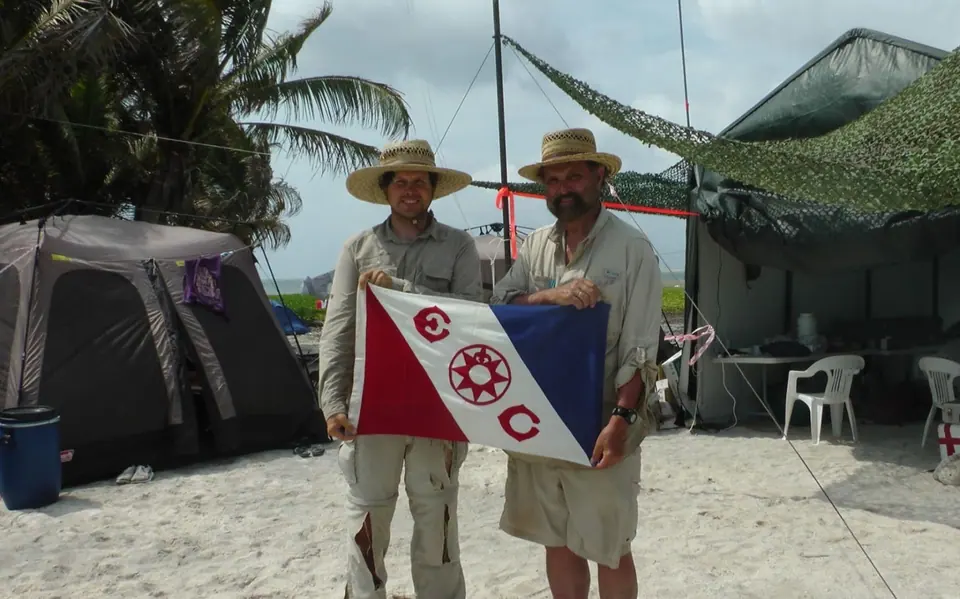
- Treat celebrities like normal people. At the gala of the Explorers Club, I had a few words with Robert De Niro. I didn’t ask for an autograph or a selfie. I’ve done the same with famous explorers. I’m genuinely interested in what they did and only ask for a selfie the second time we meet. Build long-lasting, genuine connections with people.
- Respect local customs and laws. Aboriginal people granted me access three times to the Simpson Desert, but still not to a mountain I’d like to climb, and I will not cheat and go. Perhaps one day they will allow it, perhaps never—there are other mountains on the planet. Sometimes you must give up to avoid being mentally trapped and unhappy in a project. Or be patient and keep the project ready in case the right opportunity comes along.
- Meet people. Some people have 10,000 connections on LinkedIn. They message one to ask a question and get no answer. Ninety-five percent of my contacts are people I have met in real life, plan to meet soon, or now talk with for at least one hour.
- The world needs leaders who are genuine, don’t lie, and have high integrity. There are too many examples (it’s the norm now) of political leaders with power who stay in power. Avoid this at any cost. I love the idea at JCI of having one year to lead. I think in every constitution: no one should be a leader for more than two mandates or 10 years. No one should be a leader before age 30 or without at least five years of experience in the field. We want leaders who are smart and capable, don’t we?
Have there been moments when an expedition taught you something unexpected about people, community, or teamwork?
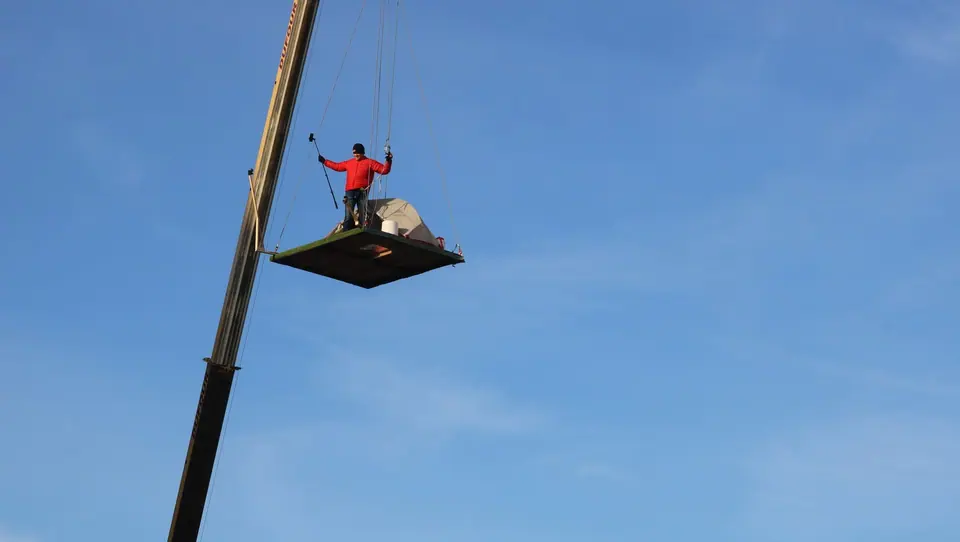
The only unexpected—and somehow funny—situation was during an expedition I took part in, not as a leader, but where I helped the leader prepare for two weeks. We were 25 men on the uninhabited island of Clipperton. Everything was well prepared. We were all competent adults. Except for one thing: we didn’t plan (or forgot to plan) who was going to cook and when.
So we ended up with people coming for a meal at noon, and there was no meal prepared. And when 7–8 men who had just done several hours of very intense work are hungry—oh boy—it went wild. Everyone was shouting at each other. Who was responsible? The leader? Or everyone, since we could each have made food for ourselves—but it’s better if 2–3 people cook for everyone for lunch and dinner.
48 hours later, everything was fine, and we found a system that worked.
So yeah, a hungry person can suddenly become a nightmare to handle.
How do you transfer the discipline and insights from exploration into your work as a speaker, entrepreneur, and mentor?
Every anecdote is something you don’t read in books. So each anecdote brings a lesson. Anecdotes that bring a hard lesson, or those that occur frequently, do become lessons. Most of those (it’s automatic) are directly applicable to your work environment.
After pushing some limits and doing expeditions on various terrains, I believe I’ve learned a few things for sure. What was unexpected is that some lessons you learn in a desert can lead to knowledge that can be applied in a mountain or water environment.
What advice would you give to young leaders who want to push boundaries, take risks, and grow through experience?
Being competent—so training is very important—but the most important thing is to be aligned: is it really what you want? Why do you want to take all those risks with potentially zero benefits and lost time and money? For business or adventure, it’s the same. So do it for the right reasons. Don’t do it to impress someone.
And if you take the path less trodden, then enjoy the process because you might learn things not many people have experienced.
Also, never put someone down. That person might one day become your boss, client, business connector, or perhaps even your life partner. Make friends, not enemies.
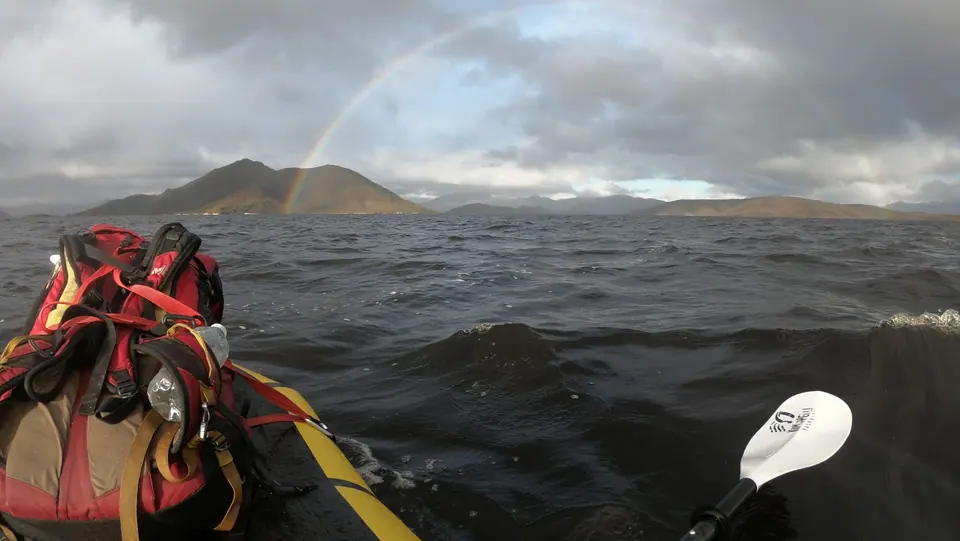
Looking ahead, what legacy do you hope your leadership journey — in exploration and beyond — will leave for others?
What I’m working on seems very selfish, right? Expeditions and all those world firsts have a lot of ego linked to them. There is nothing wrong with ego if you are proud of the achievement and do something good with it.
My expeditions help me in the long run to show that I can have a dream for a project and then realize it. I plan to do the same with my startups and also use my future adventure films to become more well known. My web startups have a common goal: each must be a great product that respects the law and works as internet companies should—being useful for people without taking their time away.
And if I’m successful (rich) with my startups, I want to buy land for conservation and plant one billion trees. Yeah, it’s better to have a scary and exciting life goal, right?
I promised Jane Goodall I would continue her work, so I’d better keep that promise.
If this story inspired you to become a JCI member, find the National Organisation closest to you.