
· 14 min read · Leadership Interviews
Leadership Is Not About Reaching the Top Alone. It is About Creating Space for Others to Grow
This month, we sit down with Catia — a business leader, mother, mountain guide and passionate JCI member who brings a unique perspective on leadership, growth and resilience.
From the boardroom to the Swiss Alps, Catia has learned that leadership is not about marching ahead or reaching the top alone. It is about creating space for others to grow, building trust and making sure the whole team gets there.
In this conversation, she opens up about the experiences that shaped her leadership journey, the role of vulnerability and courage, and why sometimes the most important step is simply having the courage to take your own path.
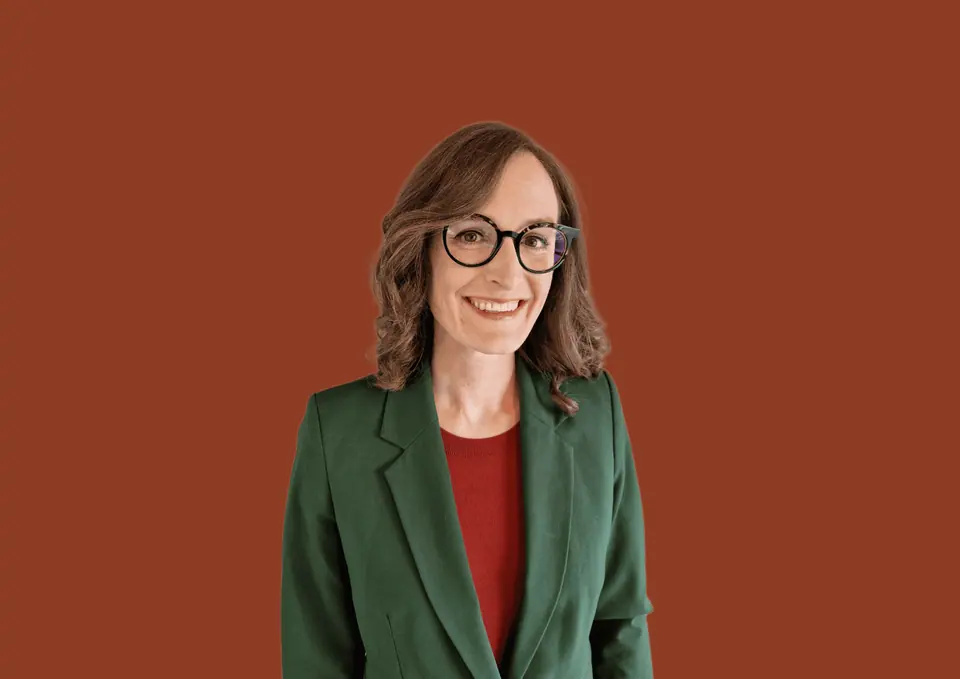
Dear Catia, please tell us a bit about yourself: I am a Deputy CEO and Chief Commercial Officer at a Swiss health insurer, a member of the global JCI Women in Leadership Commission and a mother of two. When I don’t spend time working or volunteering, I literally spend every minute I can outdoors, alone, with my family or guiding alpine and snowshoe hikes with the Swiss Alpine Club. I am stubborn, an overthinker and sometimes very black-and-white. But I am also passionate, pretty innovative and, above all, a doer. I believe in adapting your leadership style to the situation and the people you are leading. But above all, I believe that as a leader, you never stop learning.
What does leadership mean to you personally, and how has your understanding of leadership evolved throughout your JCI and professional journey?
For a long time, I thought the best leader was simply the person who worked the best, the hardest and the longest hours. It took me a few years to realise that the best leaders are those who make room for others to develop their potential and create a safe space where people can make mistakes, learn from them and grow. I like the image that grass doesn’t grow faster if you pull at it. As a leader, you can create the right conditions, give people space and support them, but ultimately, people have to grow in their own way and at their own pace. As a direct, driven and very impatient person, this is still something I have to work on.
What core values guide you as a leader, and how do you make sure they remain at the centre of your decisions?
Integrity is fundamental to me, both my own and that of the people I work with. I also believe in giving people the space to play to their strengths and realise their potential. My role as a leader is not to make everyone work like I do, but to create the conditions in which each person can contribute at their best. And don’t get me wrong: I don’t believe in bringing your unfiltered self to work. I believe in bringing the different facets of who you are to work in a way that feels authentic and works for you.
A lot of this is rooted in something my mother used to say: “You can measure a leader by how they treat those at the bottom.” I have carried that sentence with me for years. It is one reason why I deliberately sit in our open space rather than in a separate office, right next to our apprentice. Not out of charity or because I think junior people need special treatment, but because I genuinely believe that the people who are apprentices today will very soon be the customers, employees and leaders shaping our organisation. If you want to understand what the next generation needs, it makes sense to listen to them early and treat them as people whose perspectives matter.
That same mindset has also changed the way I look at my own strengths and weaknesses. For years, I focused far too much energy on concealing my weaknesses, working on them and getting other people to work on theirs. Eventually, I realised that you get much further by building diverse teams and putting people’s strengths to work. I am very much aware of my own weaknesses and I am still working on them, but they are no longer my main focus. I would rather spend my energy understanding how I can contribute at my best and how I can help others do the same.
I am also increasingly convinced that leadership is less about how you work with someone and much more about the attitude you bring to every interaction. In German, we often say that “you have to like people” (“Man muss Menschen mögen”) to be a good leader. Even a simple “How are you?” becomes a completely different conversation when you are genuinely interested in the person in front of you, rather than just their title or what they can do for you.
I have the same, probably not particularly trendy, attitude towards networking. I try to be genuinely interested in the person, rather than in whether they might be useful to me. Ironically, this has often led to deeper connections and, eventually, to networks that have helped me or others move forward. In fact, I enjoy it even more when I can connect two people from my network who can help each other. What is better than introducing someone to the person who helps them find their dream job or solve a business problem?
This may sound almost banal, but when you spend too much time on platforms like LinkedIn, where there is always a new leadership method and people naturally tend to showcase their successes, it can be helpful to come back to what really matters. And that includes honesty. That is why I have consciously chosen to share some of my failures on LinkedIn as well. Very often, those are the experiences that teach us the most, rather than the polished success stories that only became possible because someone had fallen flat on their face a hundred times before.
What has been one of the biggest lessons you have learned about yourself through taking on leadership roles?
We tend to overestimate our own contribution and see other people’s roles through our own lens. What really matters is understanding what drives and stresses other people, finding a common goal and then going for it together. Not marching ahead, but walking side by side.
I actually learned this from one of my mountaineering mentors. When I was far from confident in my skills, he would let me go ahead, make mistakes and learn from them. By staying at the very back, he literally had my back while I could make decisions at the front and take responsibility for the group. Now that I am a trained mountain guide myself, I realise that when you march ahead, you cannot see what people are struggling with at the back, and you cannot teach them anything.
Whenever I see someone becoming comfortable at the level I am guiding, I give them small challenges and let them take the lead, to discover whether they enjoy it and what they are capable of. That is something I try to do as a leader too: create enough safety for people to take responsibility before they feel completely ready.
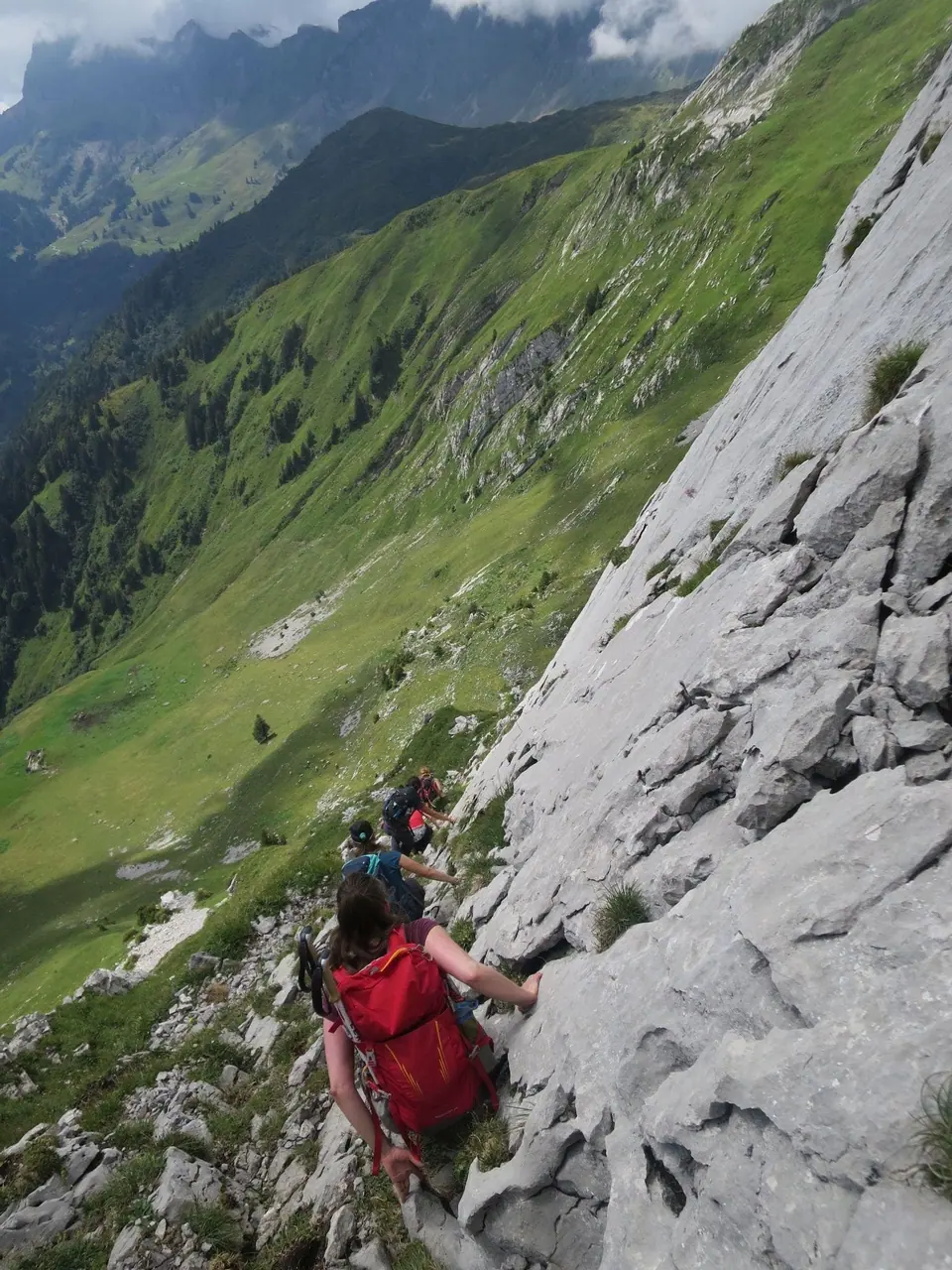
The other leadership lesson I learned the hard way in mountaineering is that you are only ever as strong as the weakest link. I have been through so many reorganisations, and I still sometimes catch myself forgetting to slow down for people who need more time. In mountaineering, you simply cannot afford to let someone disappear from sight, because you put the whole group at risk. Leadership is not about getting to the top as quickly as possible. It is about making sure the whole group gets there.
Looking back at your JCI journey, which experience or role had the greatest impact on the leader you are today?
Definitely my year as a Local President. I took my “One Year to Lead” very seriously and prepared thoroughly. But a few weeks before taking office, during my second pregnancy, I had to terminate my pregnancy and undergo chemotherapy. I was physically and emotionally very strained throughout my presidential year, so I faced a choice: keep my situation private or be completely transparent about it. I chose the latter and learned to trust others more and, importantly, to be kinder to myself.
I have to admit that I like to be seen as strong, so showing this side of myself took a lot of courage. But it was rewarded: very few people reacted negatively. Instead, many people felt encouraged to share their own hardships with me and supported me throughout my recovery. It taught me that showing vulnerability does not necessarily make you weaker. Sometimes, it gives others permission to be vulnerable too and creates a much stronger connection.
What certainly helped was that Aude Gessler, our Swiss National President that year, had made it an explicit part of her leadership to create a safe space for all members. Having that kind of leadership at the very top made it much easier for me to be open about what I was going through.
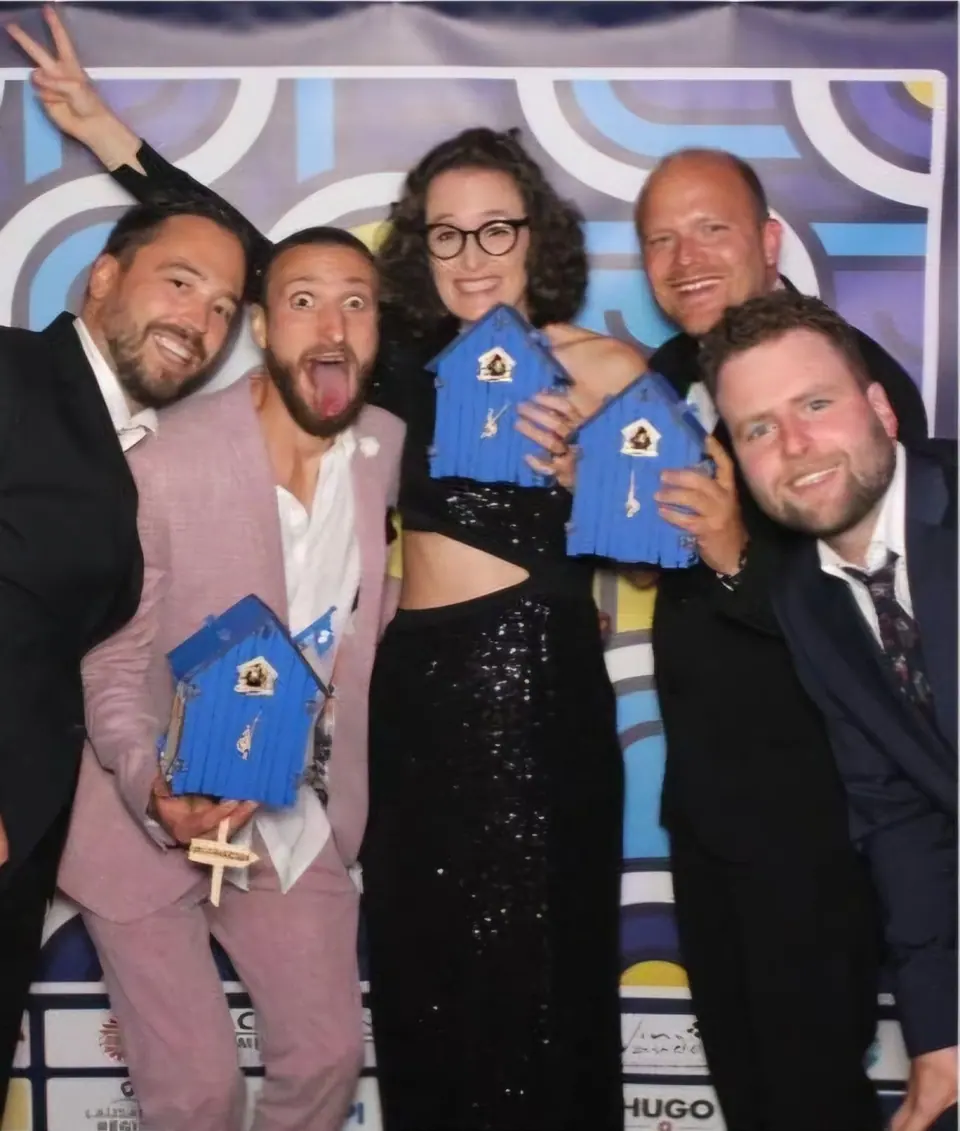
Eventually, we even won an award for one of our projects, which was a wonderful finish to a very challenging year.
JCI gives young people the opportunity to lead volunteers, projects and teams very early in their careers. How did these experiences shape the way you lead today?
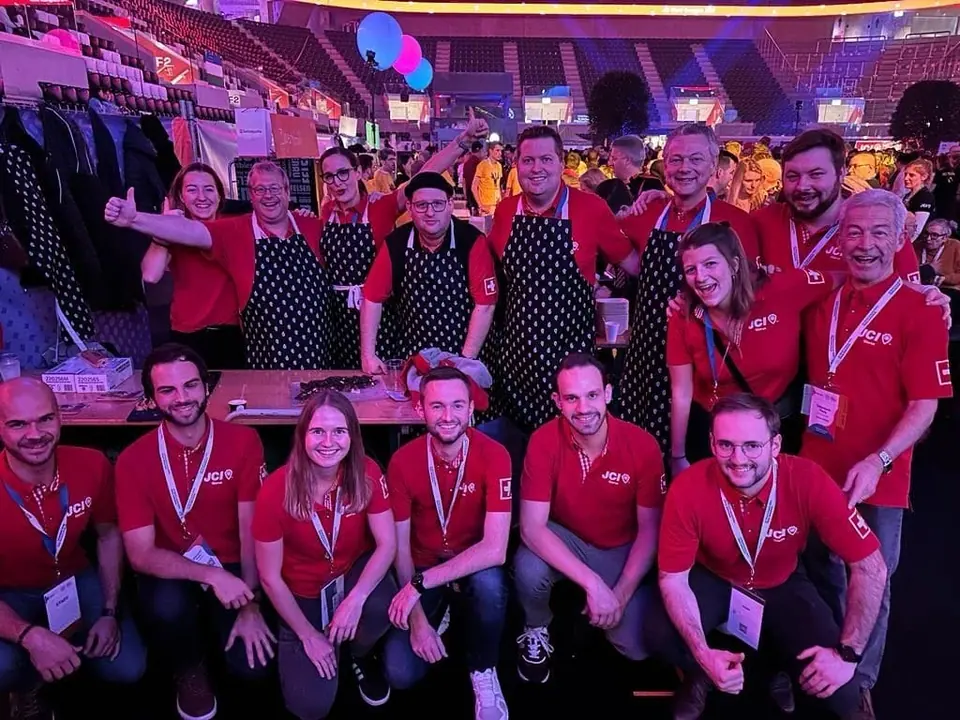
I actually did it the other way around: I was a business leader before becoming a leader at JCI. At 27, I was already Chief Sales Officer, leading a team of 20 people. Shortly before becoming a mother, I joined JCI and invested myself in project work. After my maternity leave, I changed industries and moved into roles such as Digital Officer at an NGO or Business Developer at a health insurer. Suddenly, I had to lead teams that were not formally “mine”. My experience with volunteers at JCI and in other organisations came in very handy, because it takes a different kind of leadership to get people moving towards a common goal when you are not their line manager.
You have worked with people from very different backgrounds and perspectives. What have you learned from JCI about building connections and bringing people together?
The fascinating thing about JCI is that its purpose is both universal and concrete, which resonates with young leaders around the globe. We may not speak the same language or live in remotely similar contexts, but we share the same vision of a world where young people can thrive and develop their potential. That shared purpose creates connections that go far beyond our individual backgrounds.
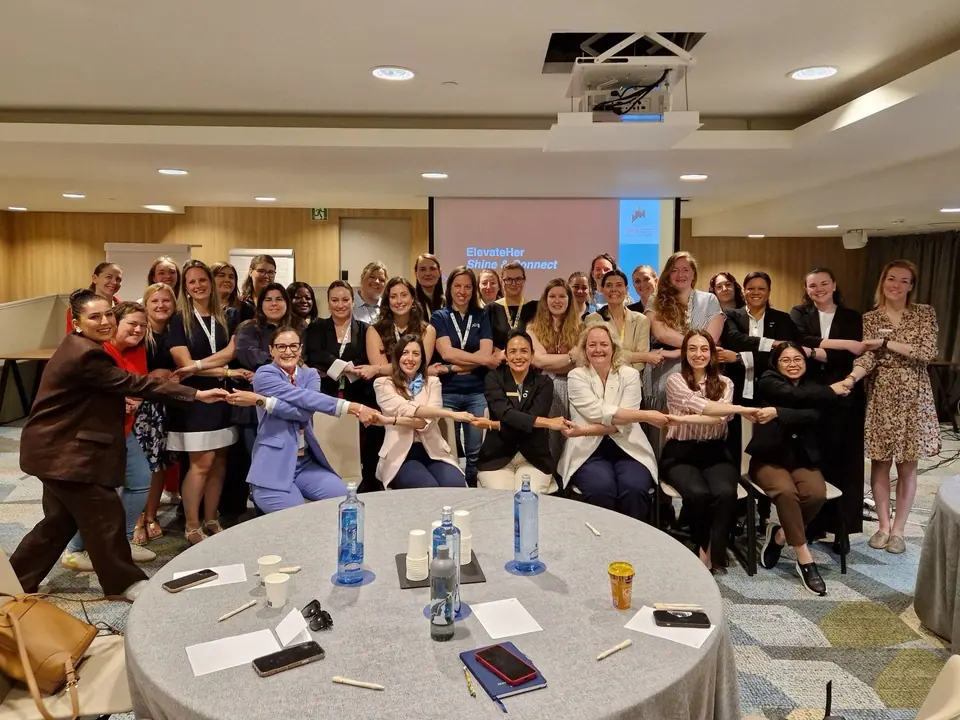
In that sense, being appointed as a Commission Member for Europe on the JCI Women in Leadership Commission was a real full-circle moment. Getting to work with women from all over the world, from Argentina to Canada, Mali and Syria, on a topic that is so close to my heart feels like both a privilege and a gift.
In time, as our personal circumstances change, we become more selective about the initiatives we dedicate our time to. How do you decide where your energy and leadership are best invested?
To be honest, I only learned to focus my energy when I first became a mother. Suddenly, I had other “late shifts” to attend, and whenever I was not available, someone else had to fill in. What really helped me was working with vision boards. Now, an opportunity either has to align with my vision and values, be fun, or ideally both. Since becoming much more radical about how I spend my time, I feel less torn between business, family, volunteering and sports, and I actually get much more done.
So when I was asked to join the global Women in Leadership Commission, I knew I did not want to miss the opportunity. How great is it that a National Board would appoint a mother of two young children to such a role, and that our Chairwoman, Georgina Matamoros, encouraged me to join meetings and the European Conference, first from my hospital bed and then with my baby in tow? During my third pregnancy, I spent two months in hospital, far away from my husband and son. Being able to continue contributing to something meaningful from my hospital bed gave me a sense of purpose and helped me stay connected to a part of the fulfilling life I had built outside the hospital. Looking back, I am even more grateful for the life I get to lead and for the people who make space for all its different facets.
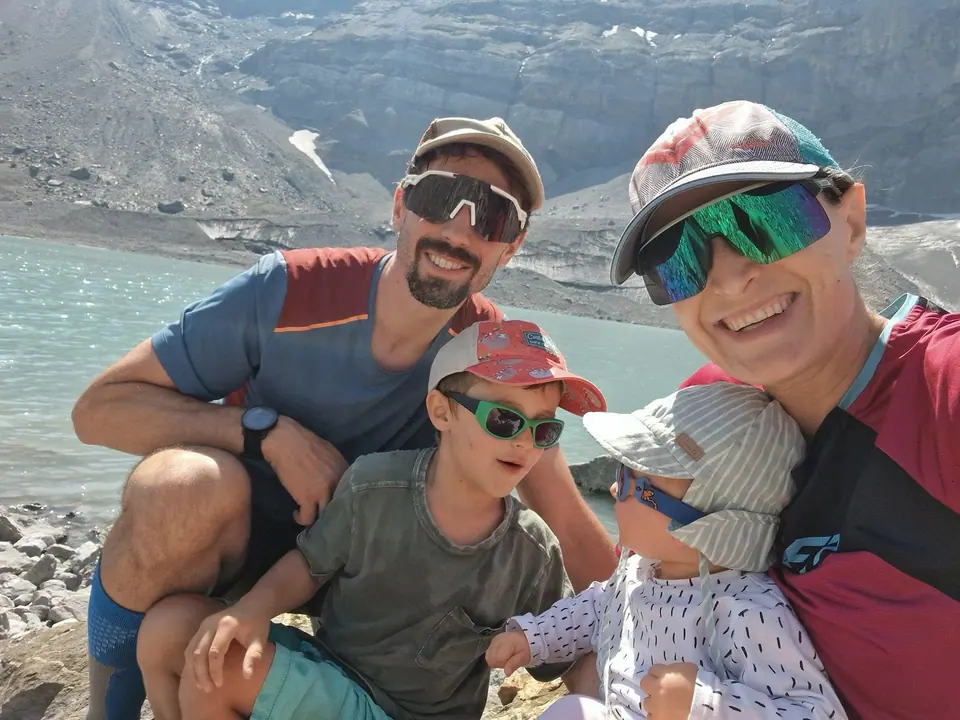
And I have learned that it is often only when you go through real low points that you discover who you can truly rely on, whether it is an employer, an organisation, your family or your friends. In the end, it is people who carry you through.
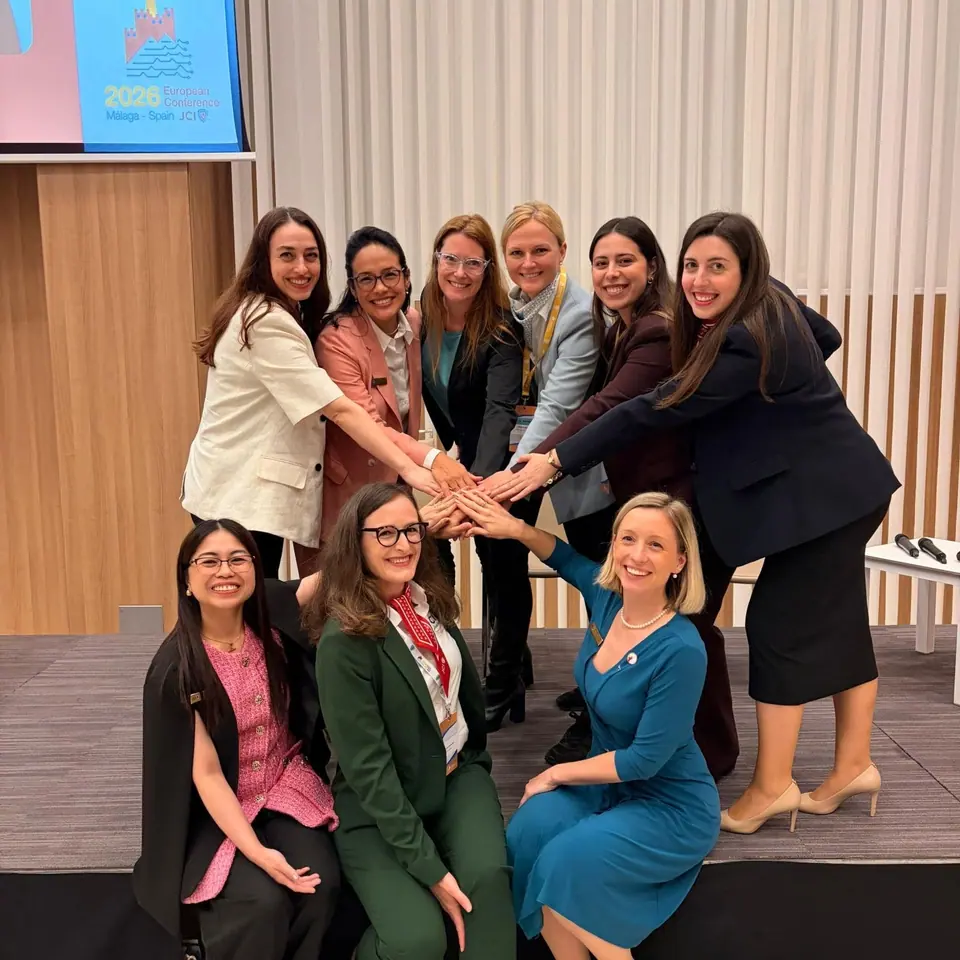
For me, that is exactly the kind of leadership culture I want to be part of and help create for others. And when I later got to know this year’s World President, Alejandra Castillo, as well as this year’s European Executive Vice President, Stefanie van der Sman, and her Vice Presidents, I realised that this spirit really runs through every level of the organisation.
Leading volunteers is very different from leading people in a professional environment. What have you learned about motivating people when you cannot rely on hierarchy or financial incentives?
Without a common purpose, there is no way. One thing I only understood in recent years, after a LOM project that failed spectacularly, is that what motivates me does not necessarily motivate other people. So before starting any project, I believe it is essential to discuss everyone’s WHY and define the scope accordingly. Projects are very likely to change along the way, which makes this even more important for communication and for keeping everyone focused on a common goal.
Communication has been an important part of many of your leadership roles. What makes communication truly effective when you want to inspire people and get them behind an idea?
Communication should always be a dialogue and ideally start with listening and asking questions. Many questions, and the right questions. Especially impatient, driven people like myself tend to jump into situations and move forward too quickly based on assumptions. If I take the time to get to know people and understand their motivations first, it becomes much easier to find common ground, let people play to their strengths and keep everyone aligned in their efforts.
At the same time, I am also known for finding clear words when necessary. Most of us are not paid to volunteer, so I believe it is only polite not to waste other people’s time and to deliver what has been promised. If the general level of commitment drops, it quickly affects everyone else and can demotivate those who are doing their part. That is why I believe in setting expectations clearly from the start and addressing a drop in engagement early. It helps clear obstacles and find solutions more quickly. Life throws challenges at all of us. The question is not whether they happen, but how we solve them together.
As a woman who has taken on leadership roles in different environments, what advice would you give to young women who are still finding the confidence to step forward and lead?
If it really is just a lack of confidence, remember that courage is a muscle that can be exercised. Throw yourself out of your comfort zone. Where could there be a better place to do that than JCI? Just mention this to other Jaycees and they will be more than happy to provide you with opportunities. What has also helped me push myself out of my comfort zone and build resilience is sport, especially endurance sports. I have never developed more confidence in myself than through running ultramarathons, even though my times were always absolutely terrible. There is something incredibly empowering about realising that you can keep going long after your brain starts telling you that you cannot.
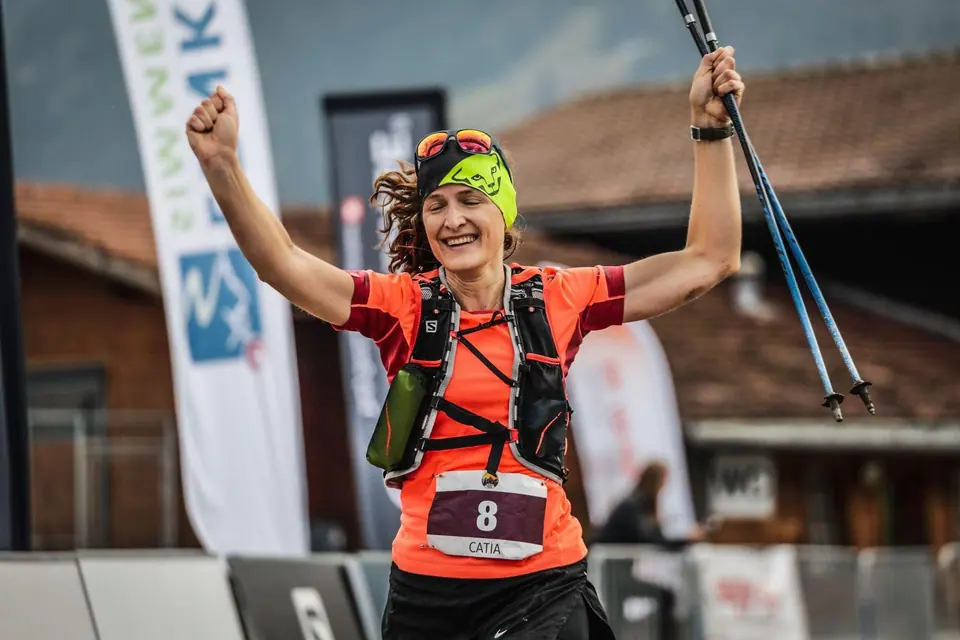
If it is more about not knowing your strengths, my advice would be to try many different things and get to know yourself better. When I realised that my company would not let me return to my C-level position after maternity leave, I took a leap of faith, quit my job, realised my long-held dream of doing an MBA and explored four different industries and roles while working part-time.
I thought that if it was so difficult to be part of an Executive Team while working part-time, I might as well find out what else the world had to offer. When I shared my plans, many friends and family members advised me not to do it and thought it was foolish to accept what they considered lesser roles and titles. Headhunters would often criticise me for what they saw as job-hopping and a lack of direction. I still stuck to my plan and followed my gut feeling.
It turned out to be one of the best decisions I have ever made. Today, I know my strengths, I have a whole range of transferable skills that I can bring to new challenges and, most importantly, I work in my dream job with great people. Often, what looks like the next logical move on a CV was actually a combination of coincidence, opportunity and luck. You only discover the red thread when you look back. Sometimes, you have to take that leap of faith before you can see where it is taking you.
Looking back at your journey so far, what do you hope the people you have worked with will remember about you as a leader?
If even a few people I have led say that I helped them see something in themselves that they did not yet see, that would be the greatest compliment I could receive.
You cannot shape people. You can only help them realise their own potential and accompany them for a little while on their journey through life.
If this story inspired you to become a JCI member, find the National Organisation closest to you.