
· 7 min read · Leadership Interviews
From Entrepreneur at 19 to Global Brand Strategist: The Story and Vision of Stef Verbeeck: Partner and Senior Brand Strategist at Pavlov, JCI Member and Senator
What does it take to build brands that truly matter in an age of AI, automation, and constant change? In this exclusive interview, Stef Verbeeck—active JCI member, senator, partner and senior brand strategist at Pavlov—shares his philosophy on leadership, the emotional power of branding, bold decision-making, and why authentic human relationships remain the most valuable asset any brand can have. From building his own company at 19 to leading global rebranding projects, his insights challenge conventional thinking and inspire a more purposeful approach to business and leadership.
1. Please tell us a bit about yourself
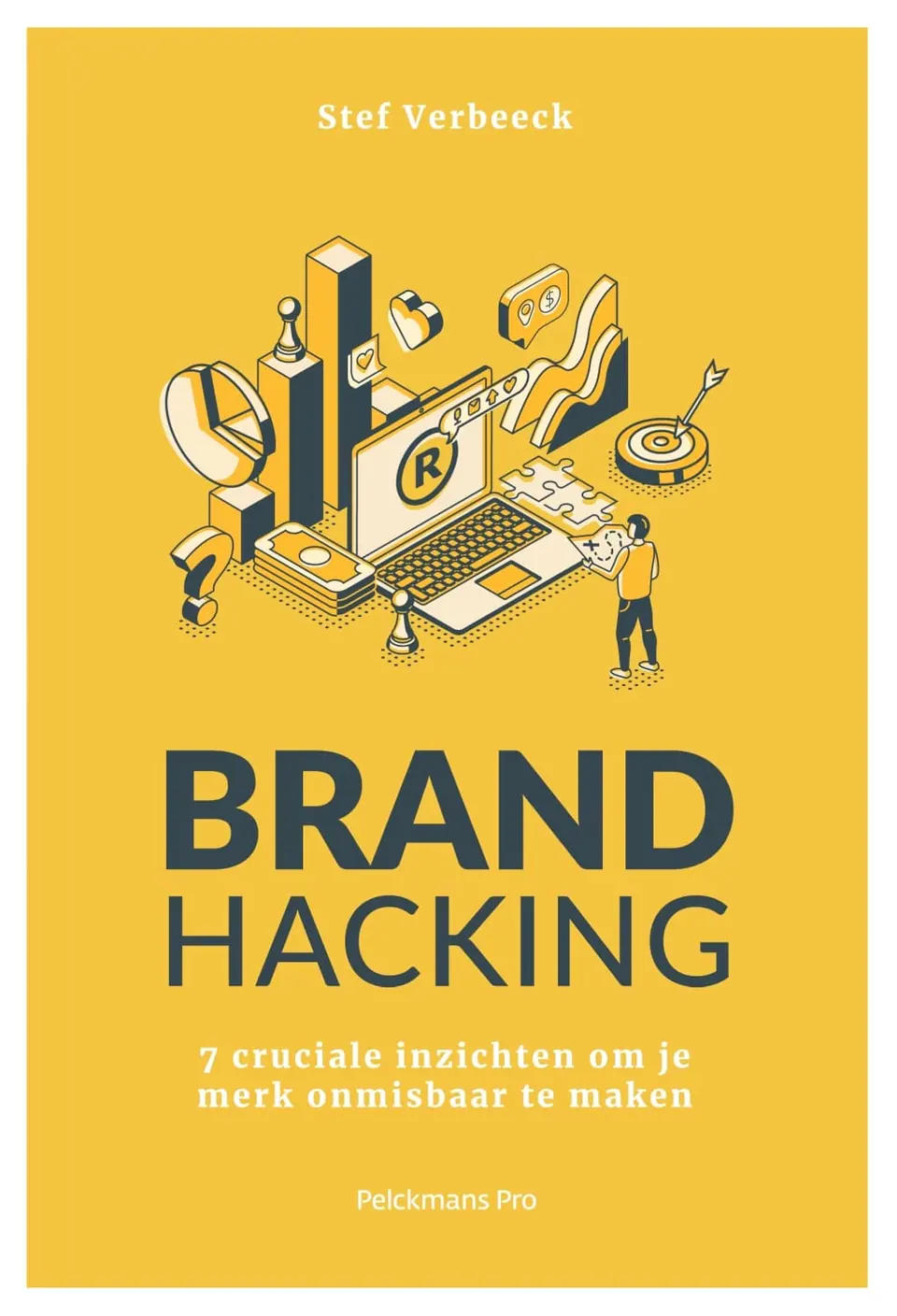
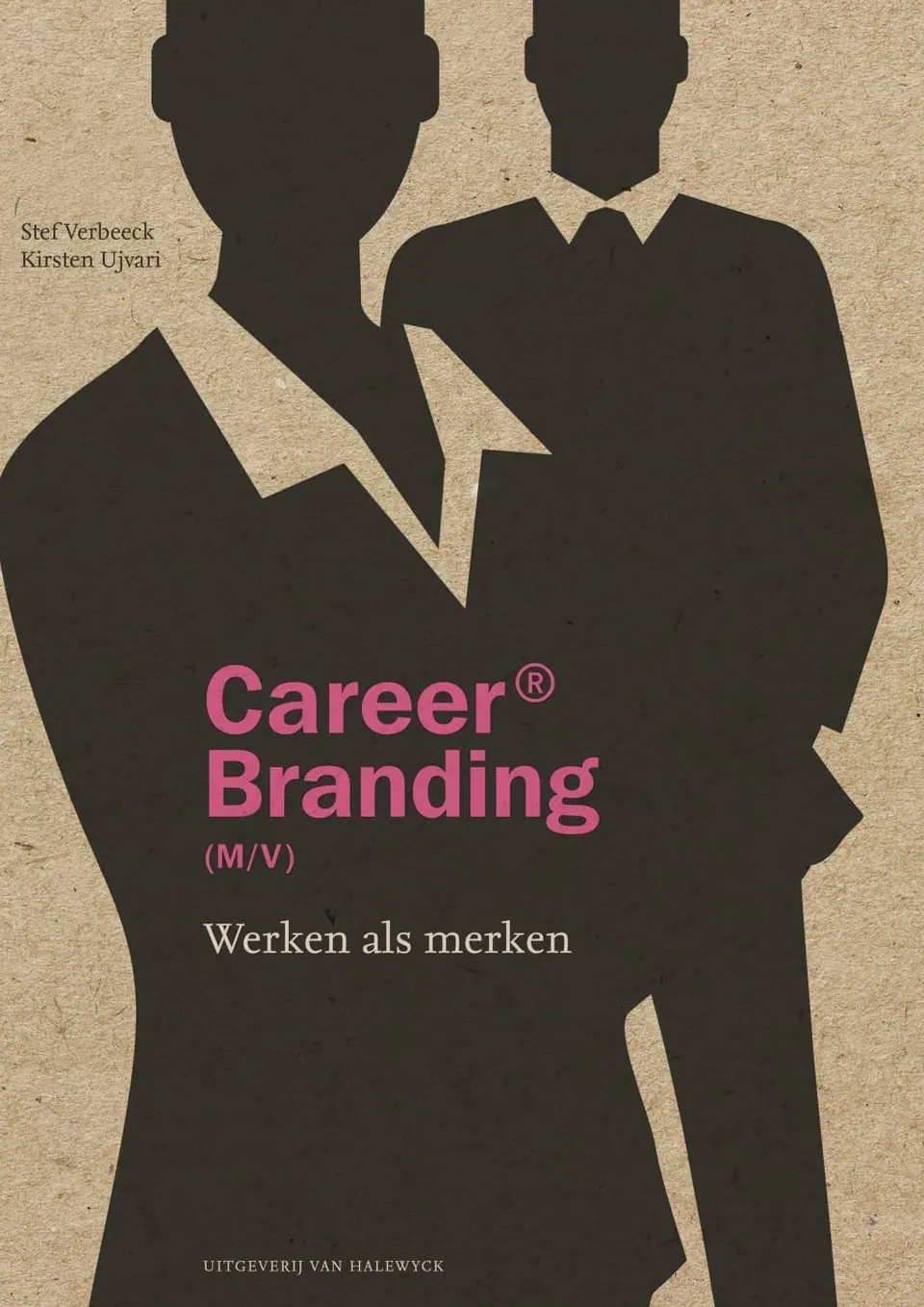
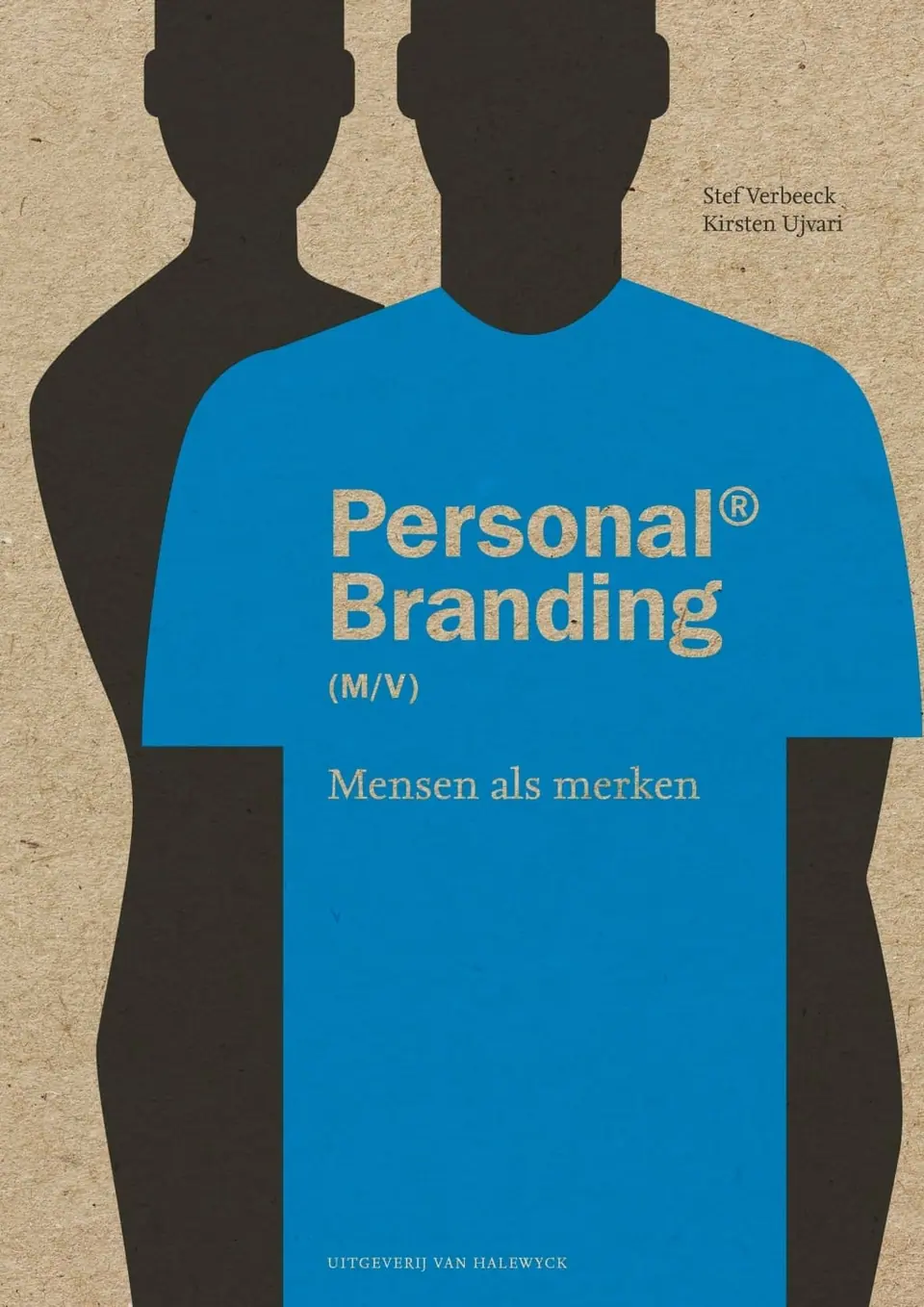
I’m Stef, partner and senior brand strategist at Pavlov, a Belgium based niche consultant in brand strategy and positioning. I started in branding 25 years ago, without any formal training in the matter. Over the years, I’ve had the opportunity and honour to work for hundreds of clients and write 5 books about branding and personal branding.
2. What does leadership mean to you personally, especially in a creative and strategic field like branding?
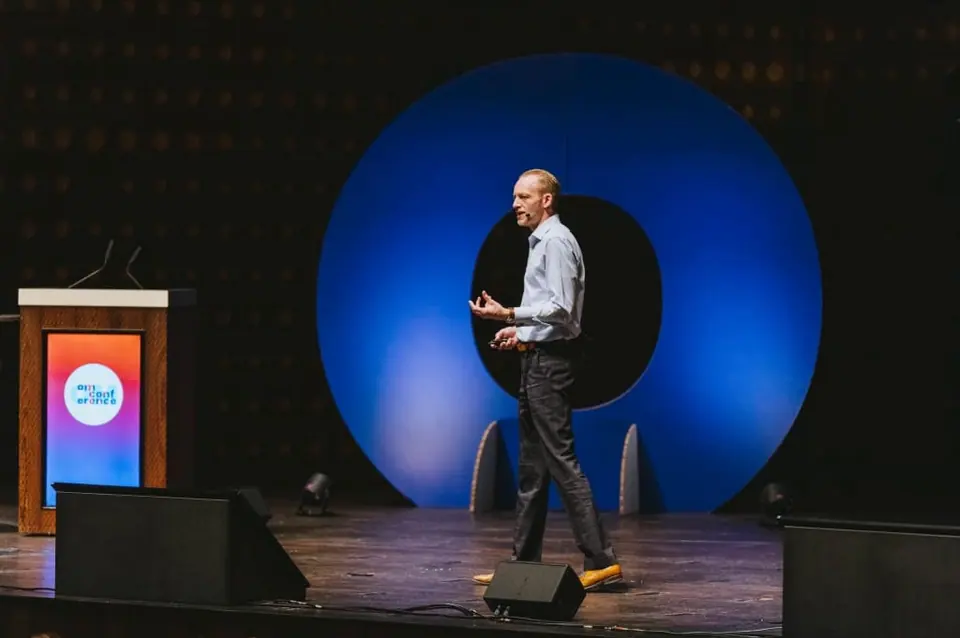
For me, leadership is about inspiring. In my case, this means two things. First, it signifies keeping ahead of the pack by staying informed about relevant evolutions in brand strategy, which allows me to publish about my passion and informing clients and followers about relevant tactics, insights and ideas as a thought leader. Secondly, it translates to my professional role within Pavlov, where I try to inspire clients and colleagues during transformation projects and challenges related to turning brands into valuable assets.
3. What core values guide you as an entrepreneur and brand strategist?
As an entrepreneur, I believe strongly in values like loyalty, transparency and collaborative power with respect to individual talents and skills. I like to collaborate with colleagues and clients in the way I would like them to collaborate with me, with short lines of communication, efficiency and thought provoking ideas that allow for sustainable results.
4. Was there a defining moment when you realized you wanted to build and lead your own company?
In my case, that revelation came to me at a young age. After high school, I quickly realized that pursuing an academic degree was not for me. I was bored out of my mind within weeks and my youthful arrogance and ill-informed confidence made me believe that I would be better off starting my own company. At the age of 19, I started my own communication agency, which over the course of a few years evolved into a brand consultancy. It was not a deliberate choice driven by a fiery passion for entrepreneurship, but rather a necessity in order to do what I proved to be good at.

5. Pavlov has grown into a respected branding consultancy working with organizations and international clients. What were the biggest lessons during that journey?
The main lesson regarding the field of branding turned out to be detrimental for who we are today and what we do for clients. It came after realising branding is not about creativity, not about logo’s, not about shouting, nor about identity. It is about understanding that branding is everywhere, in every interaction and touch point between an organisation and its stakeholders. Our philosophy became one of explaining why brands are the second most important asset for an organisation (after the people), and providing our clients with insights and tangible frameworks to use their brand as a crucial leverage to increase success in sales, marketing, communications, human resources and any other field related to growth and transformation.
6. Branding is often misunderstood as “just a logo.” What do you believe people overlook most about the real power of branding?
What is most overlooked is the emotional power brands have in the minds of people. Consumers identify with brands and use them to shape their own identity. B2B interactions might seem rational in nature, yet emotion plays a crucial part in building business relationships. M&A transactions provide a larger return on investment when branding is taken seriously from the very beginning of the deal negotiation process. Strong brands make things possible and are an underrated part of business success.
7. You led the recent global rebranding of JCI, balancing tradition with modernization. What was the most challenging and rewarding part of that process?
For us, the challenge in the JCI rebranding process proved twofold. First and foremost; my business partner and myself have both been longtime active members and senators of the organisation. This made it impossible to look at the challenge from an outside perspective, and without an emotional involvement.
Furthermore, JCI is not a normal brand. Its story (and part of its worldwide success) is one of many tales and possibilities, centered around our four areas of opportunity. This makes it hard to simplify the brand, as there is so much to be explained without omission of essential values or elements. JCI proved also atypical in the sense that our stakeholders are worldwide people: members, senators, partners, etc – rather than the traditional clients and employees we usually take into account. Aligning their values, needs, priorities and preferences was quite the challenge. We involved more than a 1000 members in the process in order to make deliberate choices in the end. This challenge and the results at the 2025 world conference in Tunis became the greatest reward of the process.

8. Creative leadership often requires making bold decisions without guaranteed outcomes. How do you approach uncertainty and risk?
In essence, I’m a fan of bold choices. Any choices really, as I believe in a polarised world we became somehow afraid of making real choices. We rather see how things turn out, or leave responsibility to others to make the choice for us. We explain to clients that consensus is any brands’ worst enemy. The same goes for life, when you’re trying to keep everyone happy all the time, decisions become grey matter instead of providing a real direction. I learned over the years that there is no such thing as a guaranteed outcome, whether it be in your personal or professional life. It is a matter of staying informed and daring to take the leap without endless hesitation.

9. How do you create an environment where creativity, strategy, and collaboration can thrive within your team?
I firmly believe in individual ownership. Because of my natural tendency for micromanagement, I force myself to let go and trust peoples’ motivations and talents. The best teams are those that don’t require constant control and operate on a basis of trust. At Pavlov, we don’t really care how results are achieved, as long as they are achieved and maybe expectations are even exceeded in the long run. It’s a matter of delegating ownership and ongoing communication to facilitate collaboration where possible and challenging ideas where needed.
10. In today’s fast-changing world shaped by AI, digitalization, and constant communication, what makes a brand truly human and memorable?
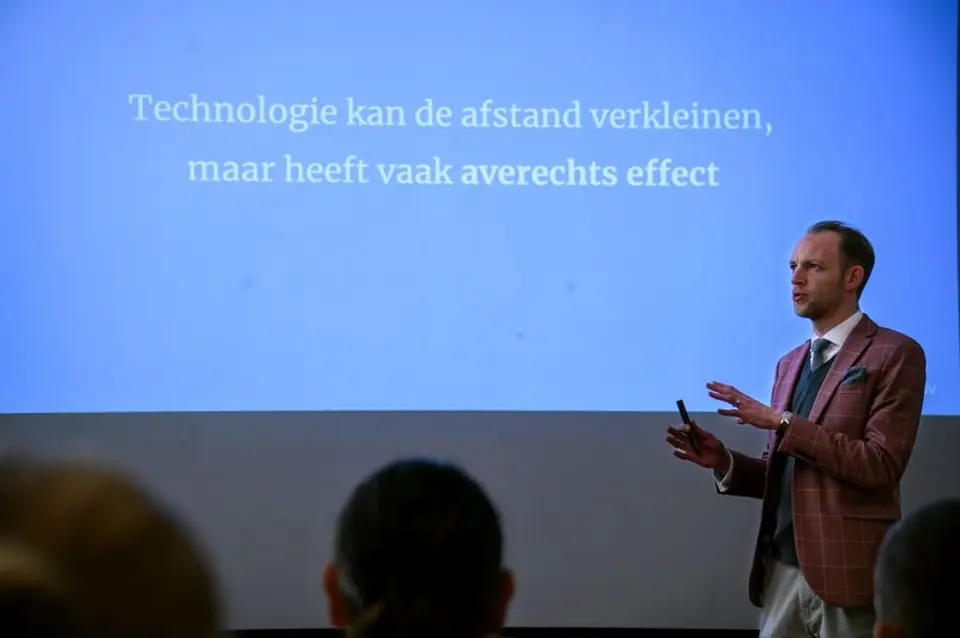
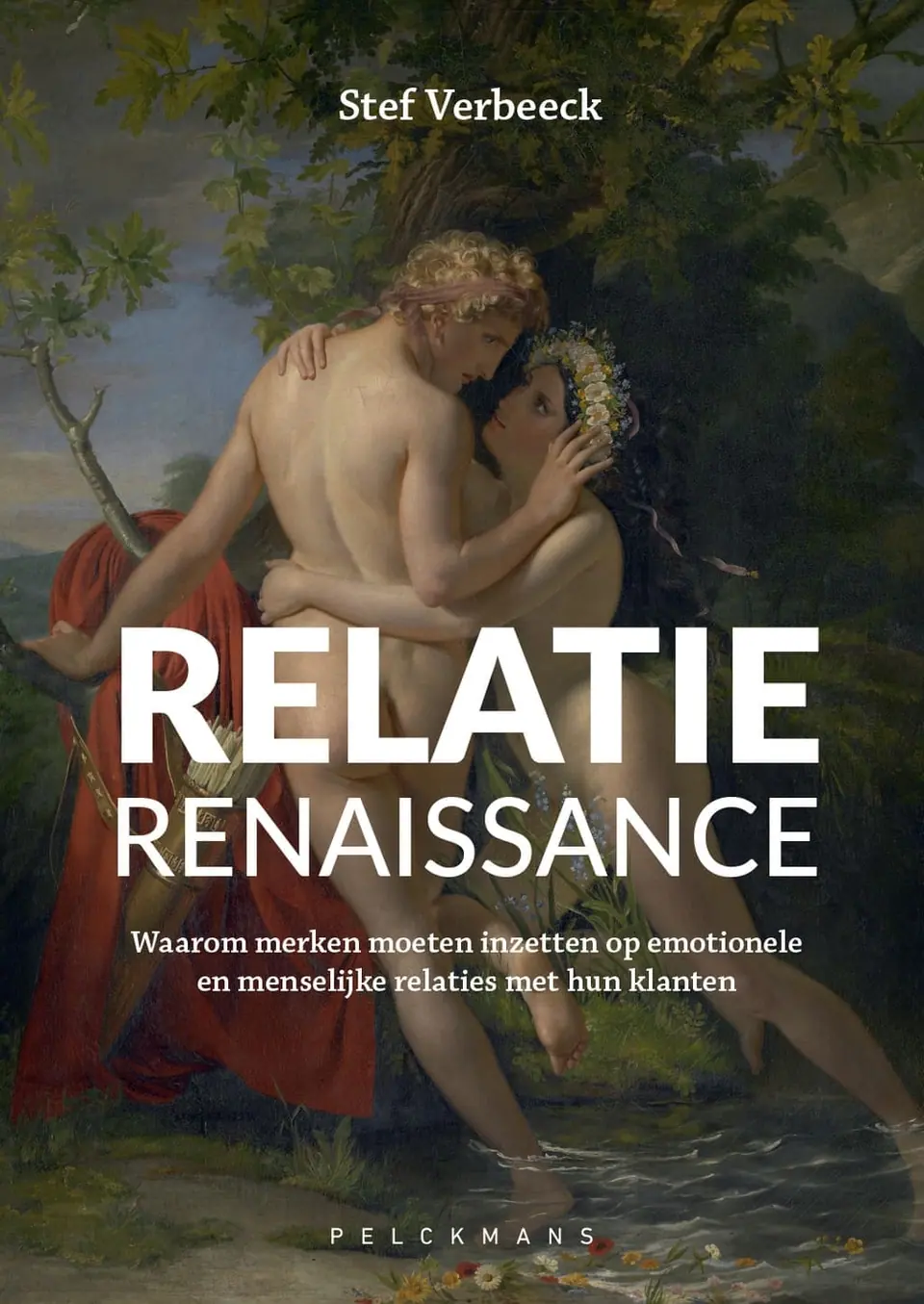
This is what my last book Relationship Renaissance is about. Over the course of a few decades, a distance between brands and their stakeholders has been created, because of automation, blind digitalisation and rationalisation under pressure. Organisations claim this is progress, yet in reality our clients turn away from brands that don’t engage with them on an emotional and human level. The paradox is clear: we never had more opportunities to build durable and authentic relationships with stakeholders, yet we push them away every step of the way by making decisions that don’t engage these stakeholders or even go against their interest.
I really believe that the winning brands of tomorrow are not those who implement the most efficient AI agent of those who provide just another small win in convenience; yet the brands that best understand the human nature of their customers and act accordingly. Relationships are key in business success, in times of AI innovation this is true more than ever before in our history.
11. What advice would you give to young leaders or entrepreneurs who want to build brands with real impact and authenticity?
The most important advice would be to make deliberate choices, even bold or brutal choices, that make clear what your brand’s purpose is in this world. Make sure to really understand your target audiences, not only on a rational level but on an emotional level especially. Using small data, you can build relationships on a human level and make well informed decisions to make your brand strategy uniquely tailored to your situation and grow sustainably over time.

12. Looking ahead, what kind of leadership and creative legacy would you like to leave through your work?
I see you saved the most difficult question for the end. I can only hope that my work for clients and the insights into my field of expertise I share on a daily basis inspire those that encounter it. The day I vanish from this earth, I hope to be remembered by the impact I made – as an experienced specialist, as a distributor of thought provoking ideas and somebody that loudly stood up for things he believed in.

If this story inspired you to become a JCI member, find the National Organisation closest to you.