
· 6 min read · Leadership Interviews
Designing the Future: Why Great Leaders Build Communities, Not Followers. An Honest Conversation with Phoebe Benta-Albertsen, Design Community & Events, LEGO Design

This month, we are delighted to feature the leader behind Design Community & Events at LEGO Design, Phoebe Benta-Albertsen, where she cultivates a culture of innovation, collaboration, and belonging for more than 600 creatives. Drawing on over 15 years of experience in community building and experience design, she shares her insights on purposeful leadership, the power of creativity, and what it takes to build thriving communities that make a lasting impact.
Dear Phoebe, please tell us a bit about yourself
“I am an author, board member, speaker, and community builder passionate about helping people realize that their future is not defined by their circumstances but by the choices they make and the actions they take.
My journey began in Antigua, where I experienced challenges that could easily have limited my aspirations. Through personal development, leadership opportunities, and the support of communities that believed in me, I learned that growth is possible regardless of where you start.
Today, my work focuses on self-leadership, positive resilience, and creating cultures of belonging. Whether through my professional career, board service, speaking engagements, or my involvement with JCI, my mission remains the same, to help people design a future that reflects their fullest potential.”
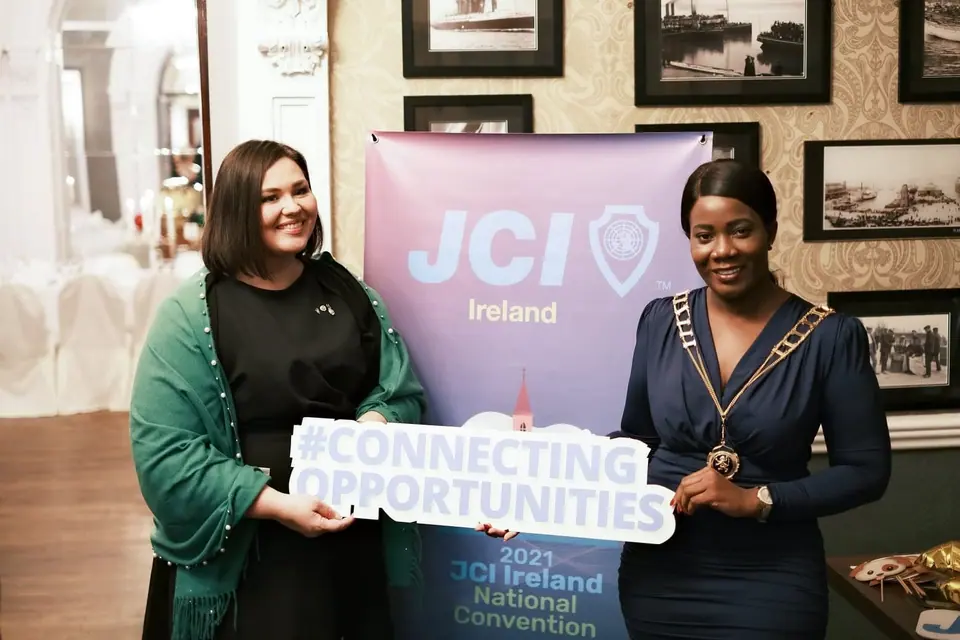
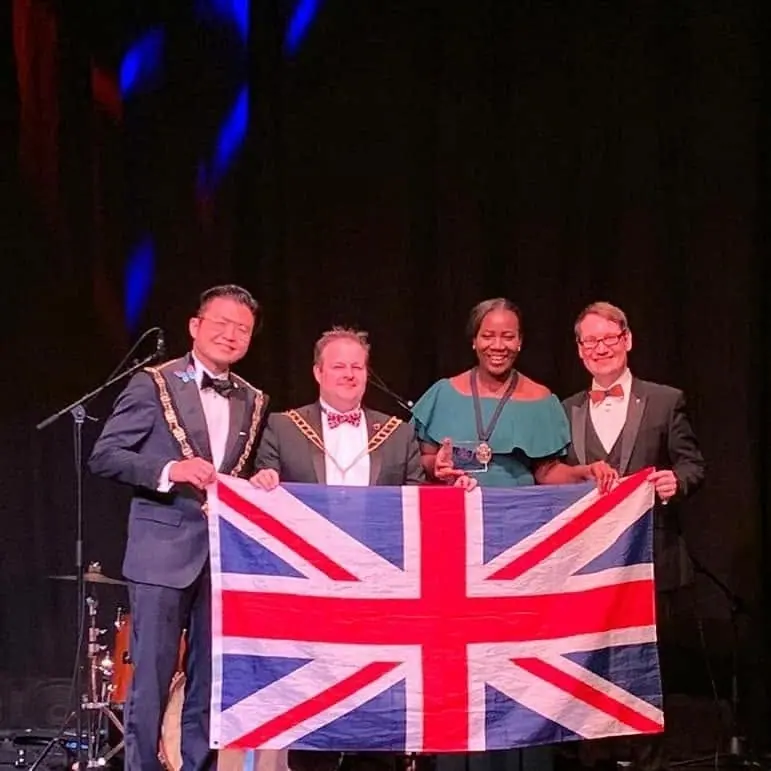
What does leadership mean to you personally, and how has your understanding of it evolved throughout your JCI and professional journey?
Leadership means taking responsibility for creating positive change, first within yourself and then in the world around you.
Earlier in my journey, I thought leadership was about achieving results, influencing others, and taking on bigger responsibilities. Over time, I discovered that leadership starts with self-leadership. Before you can effectively lead others, you must learn to lead yourself through uncertainty, setbacks, growth, and change.
My experiences in JCI and throughout my career taught me that leadership is not a position. It is a choice. It is about helping people see possibilities they may not yet see in themselves and creating environments where they can thrive.
Community-building has been a recurring theme in your career. What do you believe is the connection between leadership and creating a sense of belonging?
I believe leadership and belonging are inseparable. People do their best work and become the best version of themselves when they feel they belong. Belonging creates trust, trust creates engagement, and engagement creates impact.
Throughout my life, I have personally experienced the transformative power of communities that welcomed me, challenged me, and believed in me. Those experiences shaped my understanding that leadership is not simply about moving people toward goals. It is about creating spaces where people feel valued, connected, and empowered to contribute.
The strongest leaders do not build followers. They build communities.
Was there a defining moment when you first realized you had the ability to influence and inspire others as a leader?
The defining moment was not receiving a title or recognition. It was seeing someone grow because of a conversation, opportunity, or encouragement I had provided.
I realized that leadership is not measured by what we accomplish ourselves but by the impact we have on the growth of others.
When people began sharing that my story had inspired them to pursue goals they once thought impossible, I understood that our experiences, when shared authentically, can become powerful tools for helping others believe in their own potential.
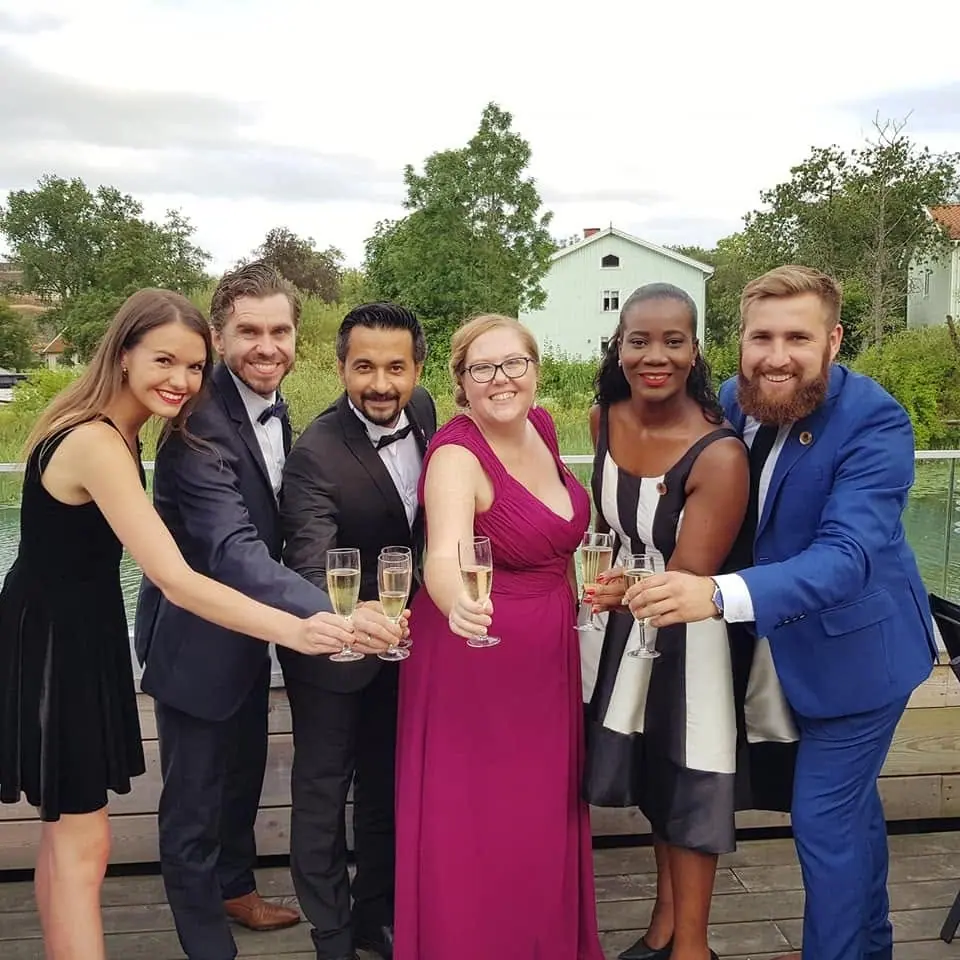
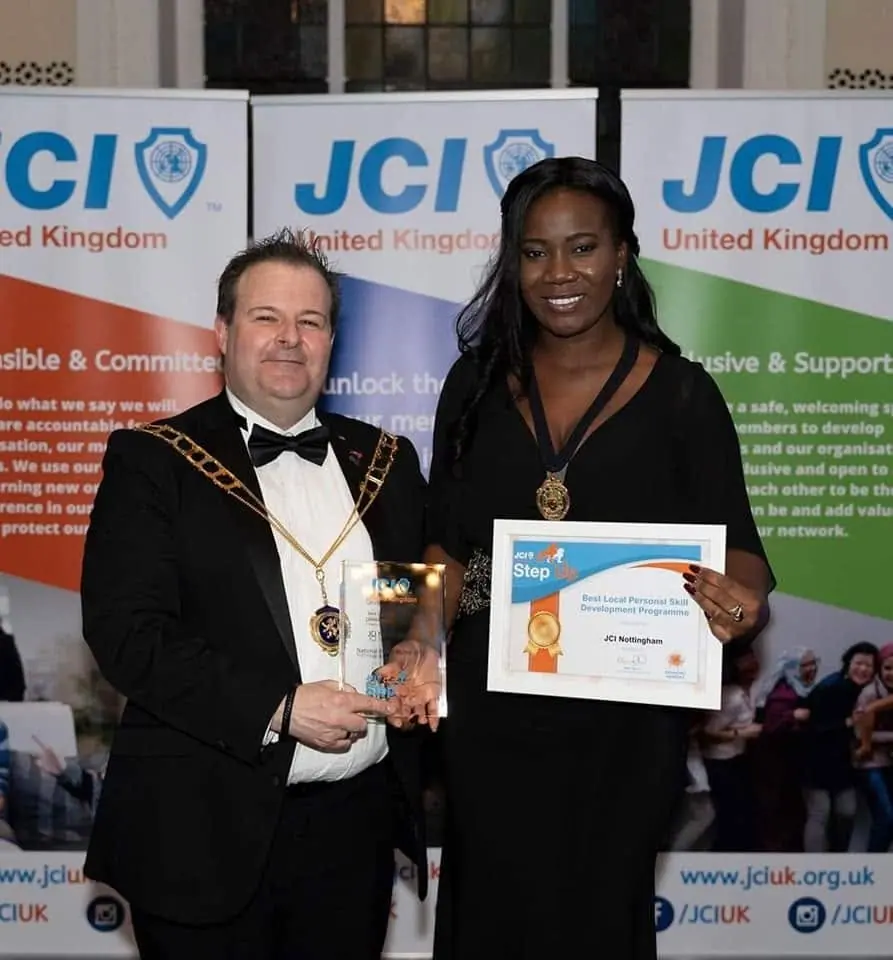
Looking back at your JCI journey, which experience or role had the greatest impact on your development as a leader?
JCI gave me opportunities to lead beyond my comfort zone and beyond my own cultural perspective.
While every role taught me something valuable, the greatest impact came from working with people from different countries, backgrounds, and experiences. Those opportunities challenged me to become more adaptable, more inclusive, and more collaborative.
JCI reinforced a lesson that continues to guide me today: leadership is not about having all the answers. It is about bringing people together around a shared vision and creating the conditions for collective success.
You have led at local, national, and international levels. How did your leadership style evolve as your sphere of influence grew?
As my sphere of influence expanded, my leadership became less about directing and more about empowering.
At the local level, leadership often involved direct action and execution. At the national and international levels, success depended on influence, trust, and collaboration across cultures and perspectives.
I learned that the larger the platform, the more important it becomes to listen, build relationships, and create ownership rather than trying to control outcomes. Leadership shifted from being about my contribution to enabling the contributions of others.
JCI brings together people from different cultures, backgrounds, and perspectives. How have those international experiences shaped the way you collaborate and lead today?
Those experiences fundamentally shaped my worldview.
They taught me that diversity is not simply about representation. It is about perspective. The more perspectives we bring together, the stronger our solutions become.
Working internationally taught me humility, curiosity, and cultural intelligence. It reminded me that effective leadership is not about convincing everyone to think like you. It is about creating understanding, finding common ground, and helping diverse groups move forward together.
In your professional work, you focus on culture and community. What are the most important ingredients for building high-performing and engaged teams?
High-performing teams are built on five foundations: trust, purpose, belonging, accountability, and growth.
People need clarity about where they are going and why it matters. They need to feel psychologically safe enough to contribute ideas, challenge assumptions, and learn from mistakes. They need accountability to maintain standards and growth opportunities to remain engaged.
Most importantly, they need to feel that they belong.
When people feel connected to the team, the mission, and each other, extraordinary performance becomes possible.
Many leaders focus on results, while others focus on people. How do you balance the two?
I believe the best results come from investing in people.
Results matter. Organizations exist to create impact and deliver outcomes. But sustainable performance comes from creating an environment where people can succeed.
My approach is to set ambitious goals while ensuring people have the support, trust, and development opportunities they need to achieve them.
People and performance are not competing priorities. They are mutually reinforcing.
Throughout your career, what has been the most challenging leadership lesson you’ve had to learn, and how did it change you?
One of the most difficult lessons was learning that resilience is not about carrying everything alone.
For many years, I believed strength meant pushing through challenges independently. Over time, I learned that true resilience also involves vulnerability, asking for help, and allowing others to support you.
That lesson changed how I lead. Today, I see leadership not as proving how strong you are but as creating conditions where people can support one another and grow together.
You have invested heavily in your own personal development over the years. What advice would you give to young leaders who want to accelerate their growth?
Invest in self-leadership before seeking leadership positions.
Develop self-awareness. Build positive habits. Stay curious. Learn continuously. Seek mentors and experiences that challenge your assumptions.
Most importantly, do not allow your current circumstances to define your future possibilities.
Growth rarely happens inside your comfort zone. The leaders who develop fastest are those who are willing to embrace discomfort, learn from failure, and keep moving forward.
When people look back at your leadership journey years from now, what do you hope they will remember most about the impact you made?
I hope they remember that I helped people believe in themselves.
I hope they remember that I challenged the idea that our beginnings determine our endings.
If people can say that my work helped them lead themselves more effectively, build resilience through adversity, create stronger communities, and design futures they once thought were beyond their reach, then I will feel that I have made a meaningful contribution.
Because ultimately, leadership is not about the positions we hold. It is about the lives we help transform.
If this story inspired you to become a JCI member, find the National Organisation closest to you.