
· 9 min read · Leadership Interviews
Leaders Create Leaders: A Conversation with Bart Van Proeyen, 2026 JCI Belgium National President, on Leadership, Impact and Legacy
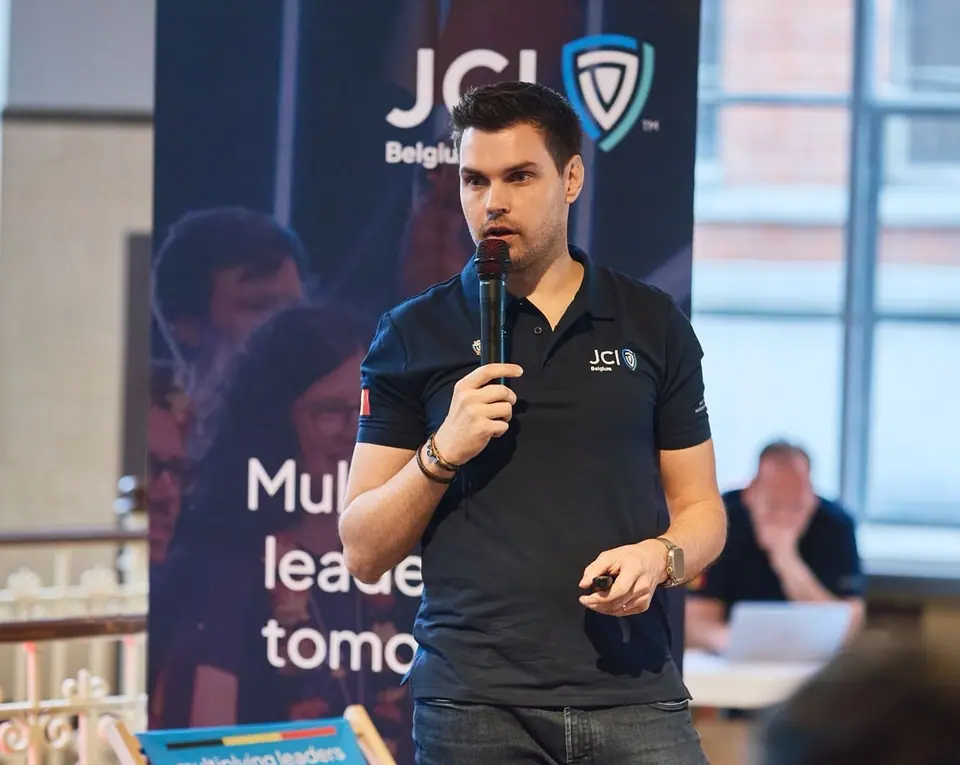
What does it really mean to be a leader—and how do we make sure our leadership creates impact beyond our own mandate? In this interview, Bart Van Proeyen, National President of JCI Belgium 2026, reflects on his leadership journey, the lessons shaped by JCI and his professional career, and his belief in multiplying leaders. From leading without formal authority to building ownership, resilience and strong teams, he shares the experiences and principles that continue to shape the leader he is today.
Dear Bart, please tell us a bit about yourself
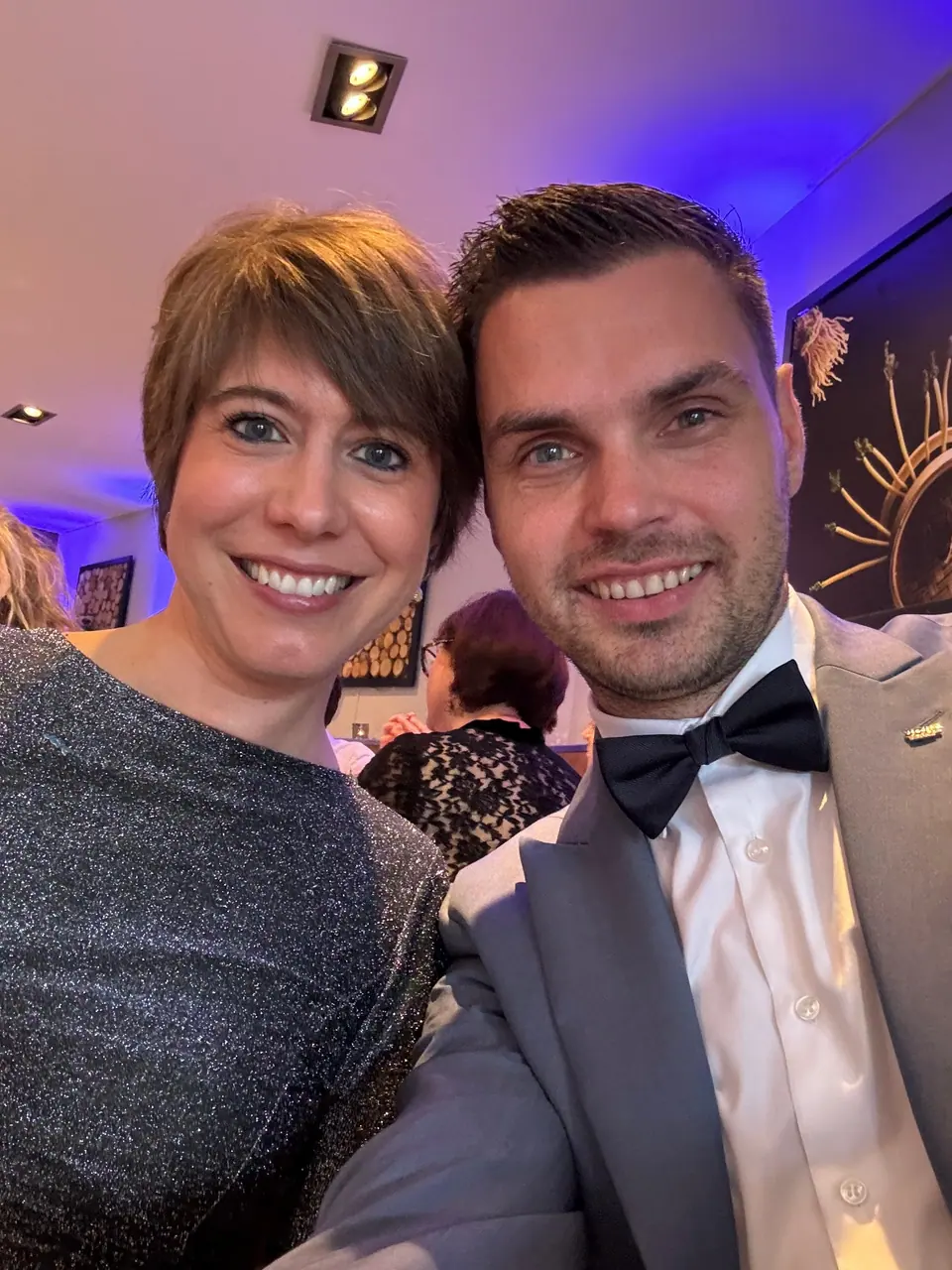
I am a Belgian JCI member with a recurring theme throughout my life: I like turning ambitious ideas into something concrete and scalable. Professionally, I am a Strategy Director at Monitor Deloitte, working at the intersection of AI, data and life sciences. Before that, I founded and spent seven years building KWARTS, eventually exiting the company. Based on this experience, I am co-shaping Deloitte’s delivery transformation towards license-based assets and managed services, among others. Outside work, I’m National President of JCI Belgium in 2026. My theme—“Multiplying Leaders of Tomorrow”—captures something fundamental about me: I don’t merely want to achieve things myself; I want to build structures that allow other people to grow, lead and create impact. In private life, I’m married to Eugénie Carrez, a former National President of JCI Belgium (2023), and whenever time permits, I love mountain biking and skiing.
What does leadership mean to you personally, and how has your understanding of it evolved throughout your career and your JCI journey?
Leadership, for me, means taking responsibility for a future that does not yet exist—and creating the conditions for others to help build it and eventually carry it forward without you.
Early in my career, leadership was largely connected to competence: delivering results, solving problems and proving that I could take responsibility. I learned how organizations work and how credibility is earned through performance.
Building KWARTS changed that. As a founder, leadership became personal risk, persistence and belief. I had to create momentum before certainty existed, convince others to join and continue when progress depended heavily on me. But KWARTS also taught me that leadership cannot only be heroic perseverance. A business that depends on one client, one transaction or one person is fragile. That experience deepened my focus on building sustainable models, owned capabilities and coalitions that create value before the next sale.
At Deloitte, my leadership has become more systemic. I still believe in beginning with a strong vision—“start from a vision and start walking”—because waiting for complete clarity can mean missing the opportunity. But I now combine ambition with discipline: selecting sharp niches, testing ideas against value drivers rather than enthusiasm, and building structures that can scale beyond individual projects.
JCI added another dimension: leadership without formal authority. In a volunteer organization, people cannot simply be instructed; they must understand the purpose and choose to contribute. Through rotating roles, international experiences and my presidency, leadership became less about being the person with the answers and more about mobilizing people, creating ownership and developing successors.

One of the messages you often share is “multiplying leaders.” What does that concept mean to you, and why is it so important?
The deeper meaning behind Multiplying Leaders of Tomorrow and Leaders Create Leaders is that success is no longer measured only by what you accomplish during your mandate, but by how many people become more capable, confident and willing to lead because of it.
What core values guide your leadership, and how do you ensure they remain at the center of your decisions—both professionally and within JCI?
My continuing leadership tension is between vision and inclusion. I see possibilities quickly and hold high standards, yet I also care deeply about relationships and buy-in. At times, that can make me either push too hard or accommodate too much. My evolution is therefore towards a more mature balance: being empathetic without becoming vague, demanding without becoming controlling, and decisive without making leadership revolve around myself.

Looking back at your years in JCI, which experience or role had the greatest impact on your growth as a leader?
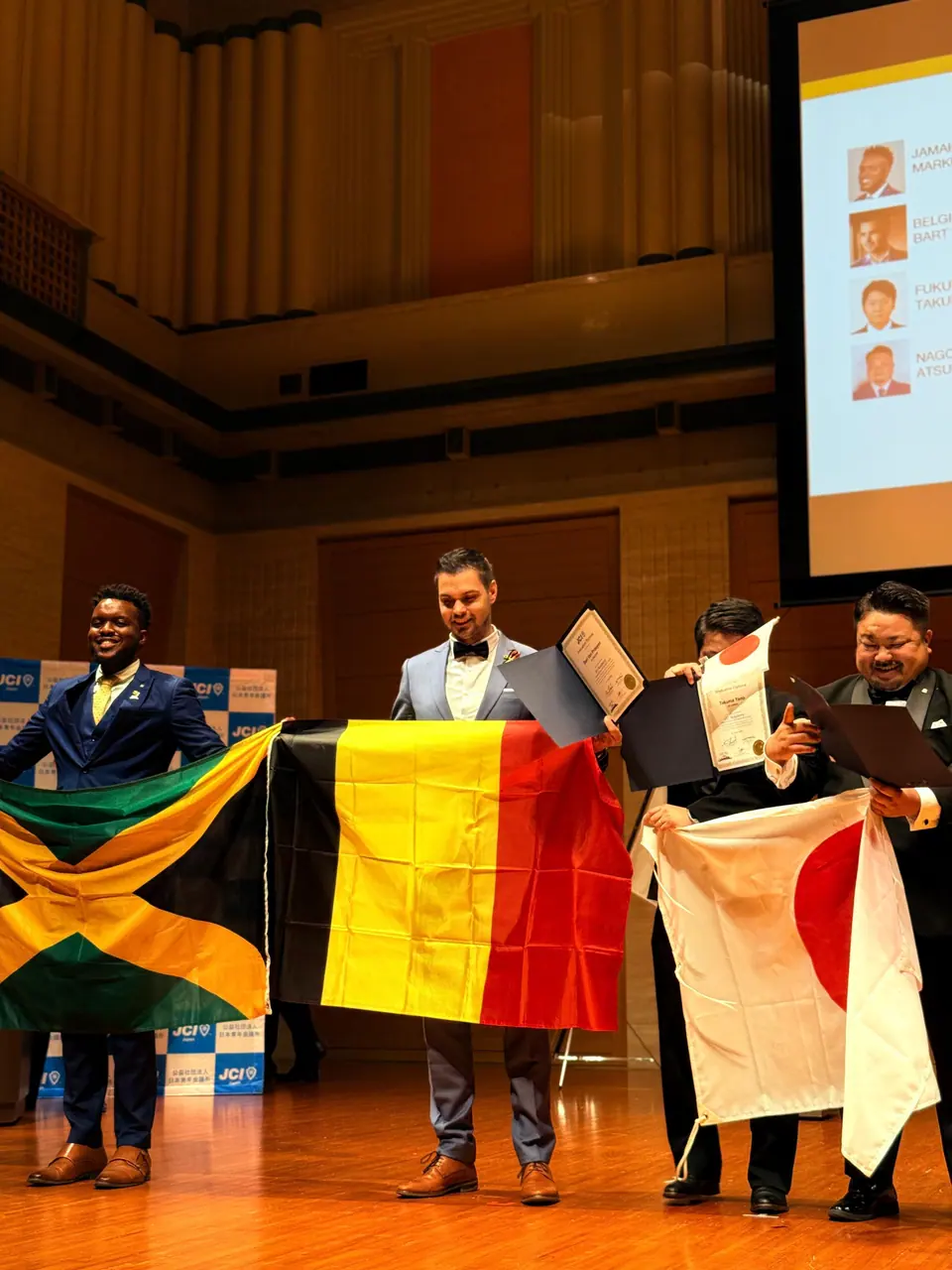
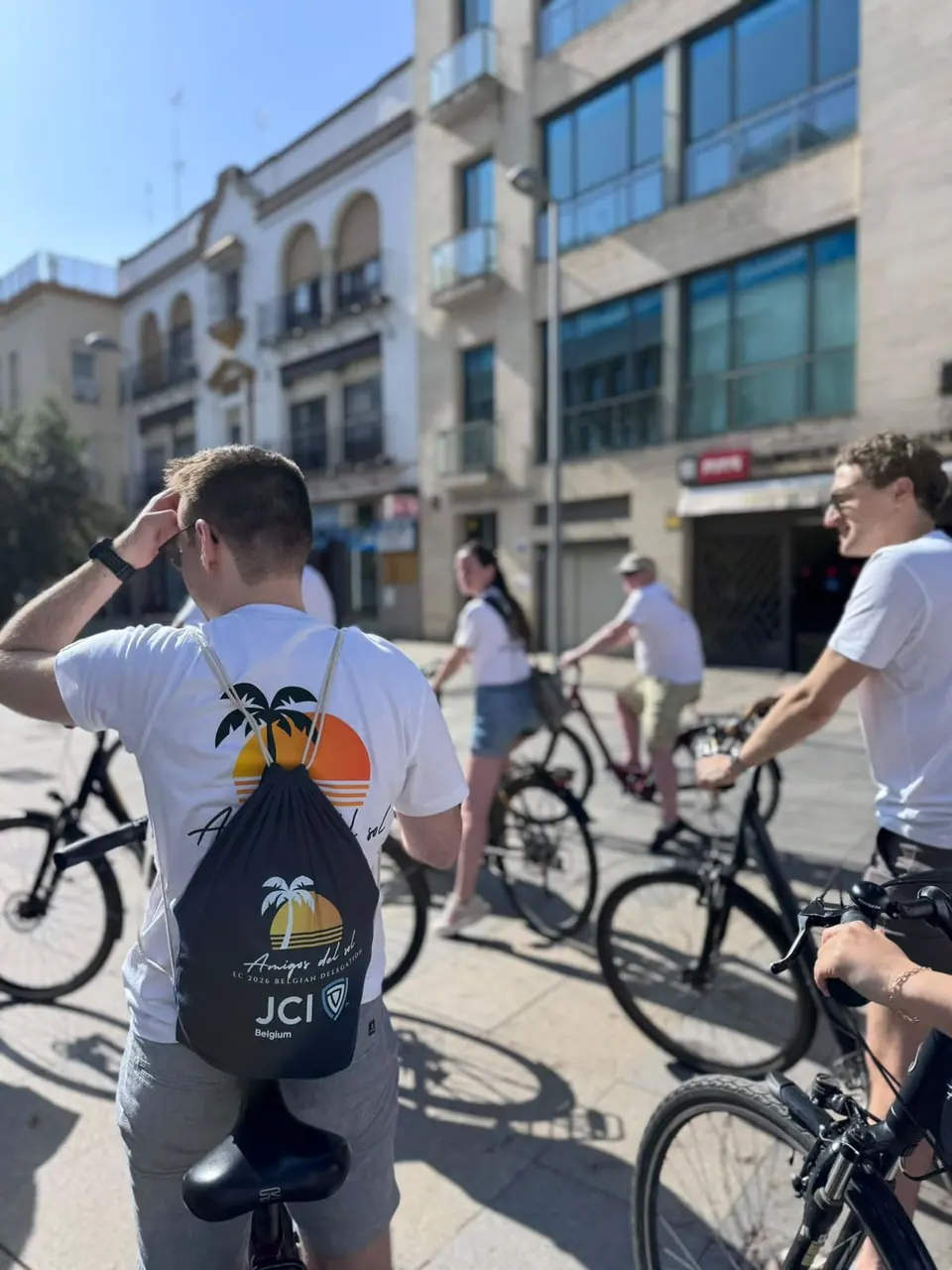
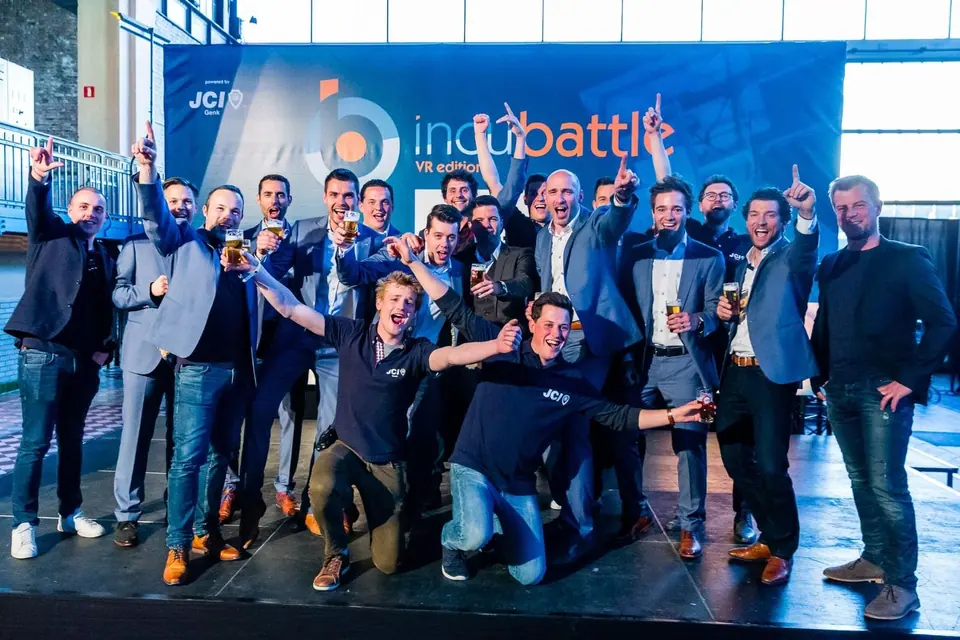
Becoming the leader of a big commission at the local level in JCI Genk, a project called “IncuBattle”, has shaped me a lot and given me the spark to continue taking up commitment. It meant working hard, but at the same time getting the buy-in, assistance and commitment from many members in JCI, which I can now call friends. My year as EVP Internationalism in 2024 also had a great impact on my development. The National Presidency is obviously the culmination of my growth, but the EVP role seems to have been the real transition point. It was the moment I moved beyond leading within familiar local and regional structures in Genk, Limburg and Flanders. I had to connect chapters, countries and cultures—often without formal authority. Initiatives such as the Twinning sessions, supporting the Oulu European Conference, the JCI Genk RISE Award dossier and the 32-person Taiwan pre-tour taught me how to transform an idea into shared enthusiasm and collective action beyond my direct personal network.
Just as important were the things that did not work automatically. The limited buy-in for the JCI France twinning showed me that a good idea is insufficient if others do not feel ownership. The initial difficulty finding a successor taught me that leadership is incomplete if the work remains dependent on me. Finding and enabling Anthony Martens was therefore part of the lesson.
My role as EVP Internationalism taught me that leadership is not about having the strongest idea or doing the most work. It is about connecting people around a shared purpose, giving them ownership and ensuring that the energy continues after your own mandate ends. My presidency is where I apply that lesson at scale.
JCI is often described as a “leadership laboratory.” Which skills or experiences gained through JCI have been the most valuable in your professional career?
The most valuable skill JCI gave me is the ability to lead without formal authority. In professional life, hierarchy, expertise or commercial incentives can create compliance. In JCI, people are volunteers: they contribute only when they believe in the purpose, trust the people involved and feel genuine ownership. That has taught me to influence through clarity, relationships and energy—skills I use constantly in a professional setting.
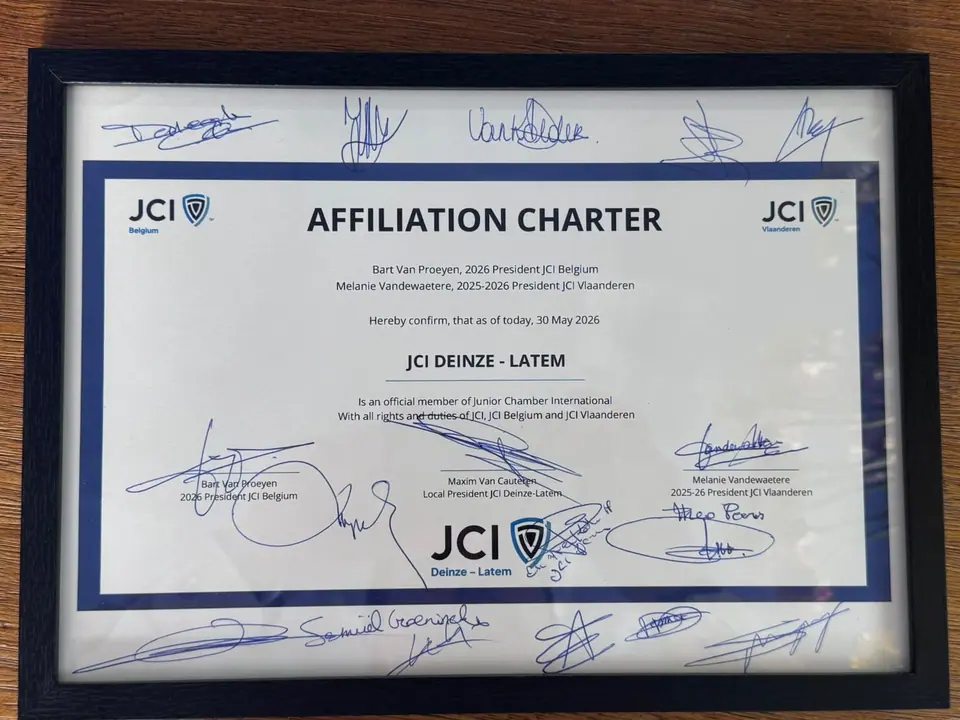
You’ve built a successful career while taking on significant leadership roles in JCI. How has the organization helped shape your approach to consulting, teamwork, and leading change?
- Turning vision into shared ownership. I naturally see possibilities early. JCI taught me that seeing the destination is not enough; people need to understand their role in reaching it.
- Stakeholder management across cultures and interests. Organizing international partnerships, Twinning initiatives, European activities and the 32-person Taiwan pre-tour required me to align chapters and individuals with different expectations.
- Learning by doing. JCI gave me real responsibility before everything was perfectly clear: organizing projects, managing budgets, representing Belgium and leading teams. This reinforced my instinct to “start from a vision and start walking”.
- Communicating purpose. Whether addressing a local chapter, an international delegation or the national organization, I learned to adapt the same ambition to different audiences. That is highly valuable in consulting, where a strategy only matters if executives, experts and delivery teams all understand and support it.
- Governance and succession. JCI’s annual mandates make leadership temporary by design. Finding successors, transferring knowledge and creating continuity taught me that leadership is not complete when the project succeeds; it is complete when the capability survives my departure.
- Resilience and humility. Some ideas attracted strong enthusiasm; others, such as particular Twinning ambitions, encountered limited buy-in. JCI gave me repeated opportunities to test ideas, receive immediate feedback and learn that resistance is information—not necessarily failure.
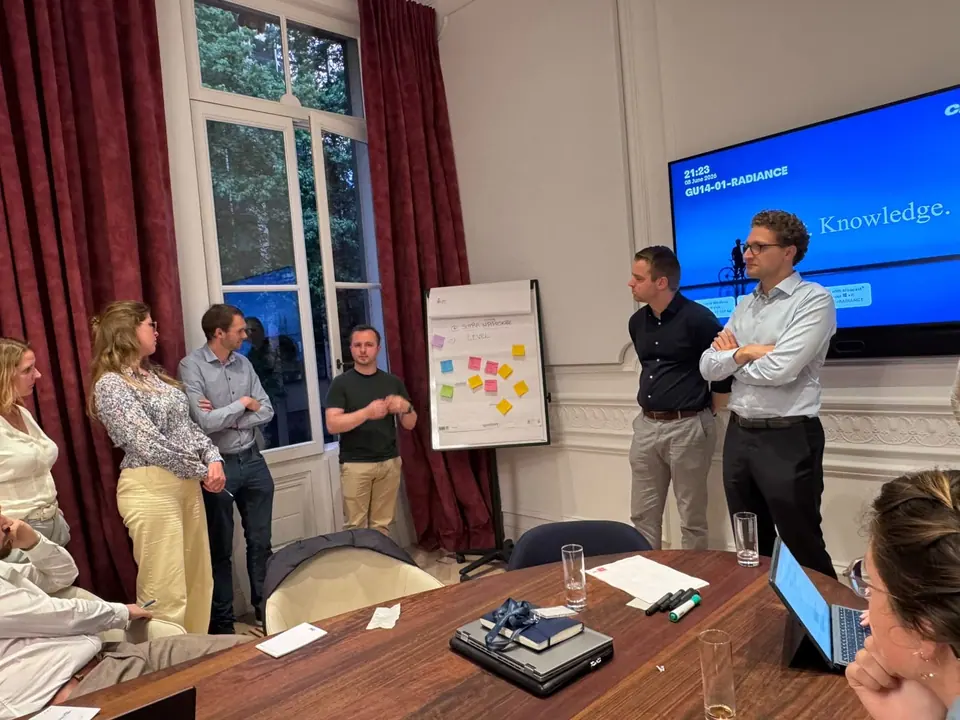
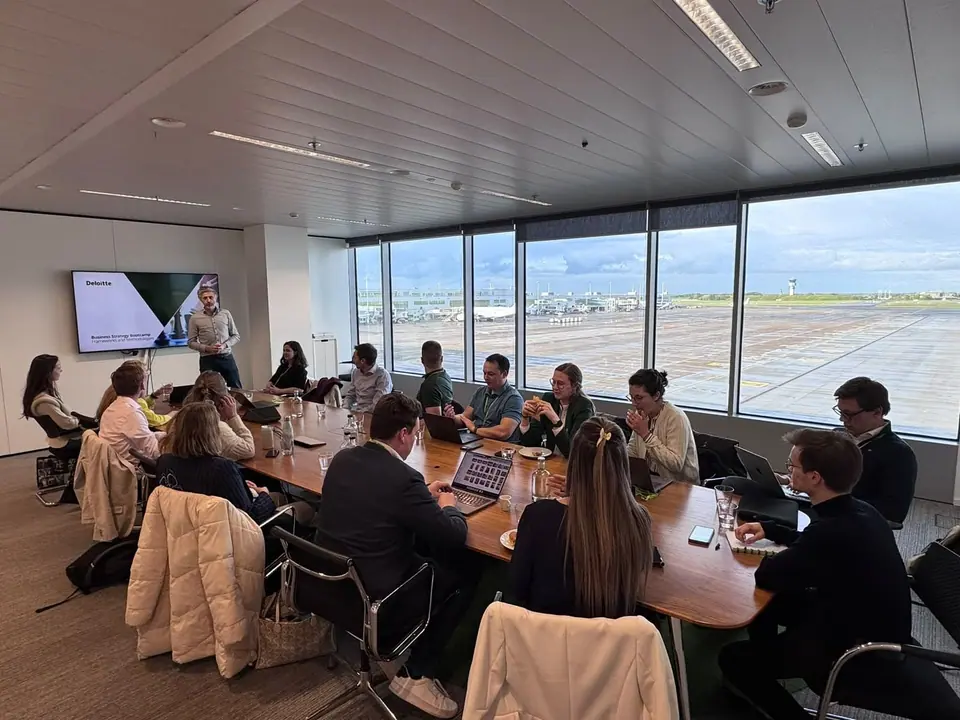
As both a consultant and a volunteer leader, you’ve worked with many different teams. What do the most successful teams have in common?
The most successful teams are not necessarily those with the smartest individuals or the most detailed plans. They are the teams that combine shared purpose, genuine ownership and disciplined execution.
Strong teams understand why the work matters beyond completing tasks. This is especially visible in JCI: volunteers cannot be motivated by hierarchy, so purpose must create the energy.
People know who is responsible for what, but they are not micromanaged. The strongest model is local autonomy within shared guardrails: clarity about the destination and standards, freedom over how to get there.
The strongest teams do not become dependent on one charismatic person. Responsibility is shared, people grow through real ownership, and succession is considered part of success.
Today’s leaders are expected to navigate constant change. How do you build resilience—both in yourself and in the people you lead?
Resilience is not simply enduring pressure. It is remaining committed to the purpose while being willing to change the route.
My experience with KWARTS illustrates this well. The company achieved an exit, but it also taught me where the model was fragile: reliance on one big client and data controlled by others. I did not treat those limitations as a verdict on my ability; I converted them into design principles for what I could build next.
The same pattern appeared in JCI. When the Love Tomorrow partnership disappeared, I did not abandon the ambition of reaching young talent. I redirected the energy towards initiatives such as the Matched by JCI Golf Tournament and the Leadership Academy. The purpose remained; the mechanism changed.
Throughout your journey, what has been the most challenging leadership lesson you’ve learned, and how has it influenced the leader you are today?
I build resilience by remaining firm on purpose but flexible on the route. I try to turn uncertainty into action, setbacks into learning and individual pressure into shared ownership. For the people I lead, resilience means creating enough clarity, trust and responsibility for them to adapt confidently—without waiting for me to solve everything.
What advice would you give to young JCI members who aspire to lead not only within the organization but also in their professional careers?
My first advice would be: do not collect titles—collect experiences that stretch you. A JCI function matters only if you use it to take real responsibility, make decisions, handle difficult conversations and create something that continues afterwards.
- Step forward before you feel completely ready
- Use JCI as a leadership laboratory
- Learn to lead without authority
- Choose different and increasingly demanding roles: local, regional, national and international experiences develop different muscles. Do not repeat only what you already do well
- Build relationships by contributing: the strongest professional network is not a collection of contacts; it is a community of people who have experienced your reliability, generosity and ability to deliver.
- Develop successors: your greatest achievement is not becoming indispensable. It is leaving behind stronger people and a stronger organization
When your JCI journey eventually comes to an end, what leadership legacy do you hope to leave behind?
When my JCI journey ends, I hope my legacy will not be defined by what I personally accomplished, but by what continued after me. I want to leave behind people who became more confident because someone trusted them with real responsibility; stronger chapters that create opportunities for the next generation; and an organization that remains ambitious, international and willing to evolve.
Personally, I see myself as a leader who aspires to create other leaders. If more people step forward, take ownership and eventually help someone else do the same, then I will have achieved the legacy I hoped for. Leaders create leaders. A bit more tied to my role, I want to be remembered as the National President actively investing in ‘member experience’.
If this story inspired you to become a JCI member, find the National Organisation closest to you.