
· 8 min read · Leadership Interviews
“Leadership is not about being the strongest voice in the room. It is about creating a room where every voice can contribute.” – Nihal Zoroğlu, 2026 Chief Executive Assistant to the President

This March, we have the pleasure of learning from a leader who has helped guide growth and alignment across the globe. With years of hands-on experience in leadership strategy and organizational development, Nihal Zoroğlu brings a perspective that is both global and deeply practical. Nihal is a seasoned JCI leader who served as the 2023 Executive Vice President for Europe. She currently serves as Chief Executive Assistant to the President (CEATTP) and is a member of the Strategic Planning Committee, continuing to shape the organization’s global direction.
Dear Nihal, please tell us a few words about you
I have never seen my life as one single path. It has always been a collection of journeys; across countries, across cultures, across ideas, and most importantly, across people.
For over 12 years, Junior Chamber International has been one of the most defining parts of that journey. It is where I learned leadership not from theory, but from experience, by taking responsibility, by failing, by growing, and by standing side by side with people from all over the world who believed they could create change together.
At the same time, my professional life in data and analytics taught me how to think in systems, make decisions with clarity, and turn complexity into direction. But what truly shaped me was realizing that behind every system, every number, and every strategy, there are people. And understanding people is what makes any system truly work.
Beyond roles and titles, I am someone who finds inspiration in stories, whether walking through ancient cities, exploring castles and historic heritage, or getting lost in fiction novels. I am deeply curious about human behavior, what drives us to act, to connect, to build, and sometimes, to hold back.
I am also a daughter, a partner, a friend, someone who values belonging as much as achievement. Because I believe success without connection is incomplete.
Over the years, working with multicultural teams across more than 40 countries, I came to understand something that continues to shape my leadership:
We may come from different backgrounds, but we are driven by very similar human needs, to contribute, to be seen, and to create meaning.
Today, I see myself as a bridge between people, perspectives, and possibilities.
And if there is one thing I stand for, it is this: Leadership is not about standing ahead of others. It is about bringing people together, so that what none of us can do alone, becomes possible together.
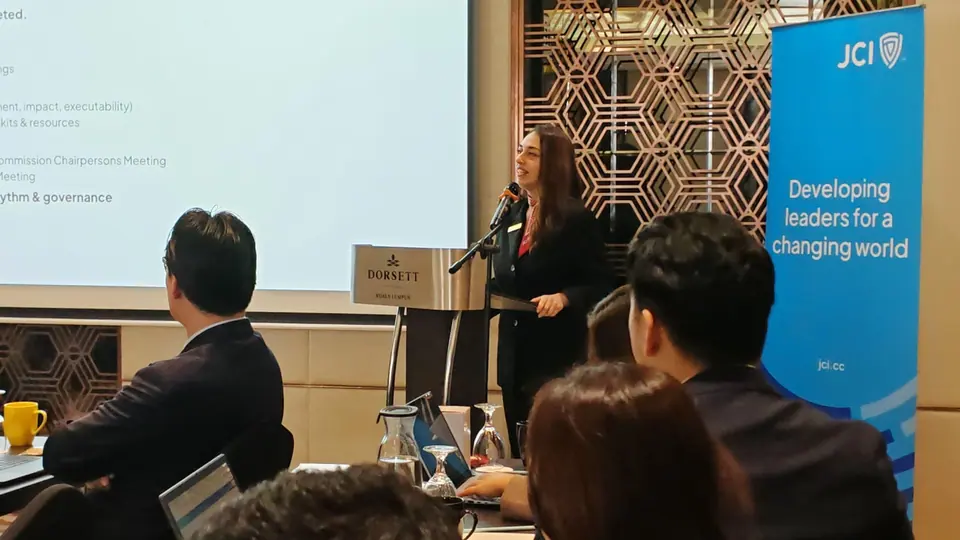
What does leadership mean to you personally, and how has your view of it evolved over your professional and JCI journeys?
At the beginning, I thought leadership was about doing more, achieving more, and proving more. But over time through JCI, through failures, through moments where things didn’t go as planned, I realized something deeper. “Leadership is about creating space for others to become.”
It is about seeing potential before it is visible, creating trust before it is guaranteed, and choosing responsibility even when no one is watching.
My understanding evolved from “how do I lead?” to “how do we grow together?”
Today, leadership for me means one simple but powerful thing: bringing people together to act on something that matters.
Your leadership approach highlights emotional awareness, empathy, and effective communication — how did you come to value these skills so deeply?
Because I saw what happens when they are missing.
In diverse teams, across cultures, I experienced misunderstandings that had nothing to do with competence; but everything to do with perception, emotions, and unspoken expectations.
JCI gave me the chance to observe people deeply. To understand that behind every reaction, there is a story. Behind every resistance, there is a need.
Empathy became not a soft skill, but a strategic one. And communication became not about speaking clearly, but about connecting meaningfully. These skills didn’t come from theory. They came from real people, real conflicts, and real growth.
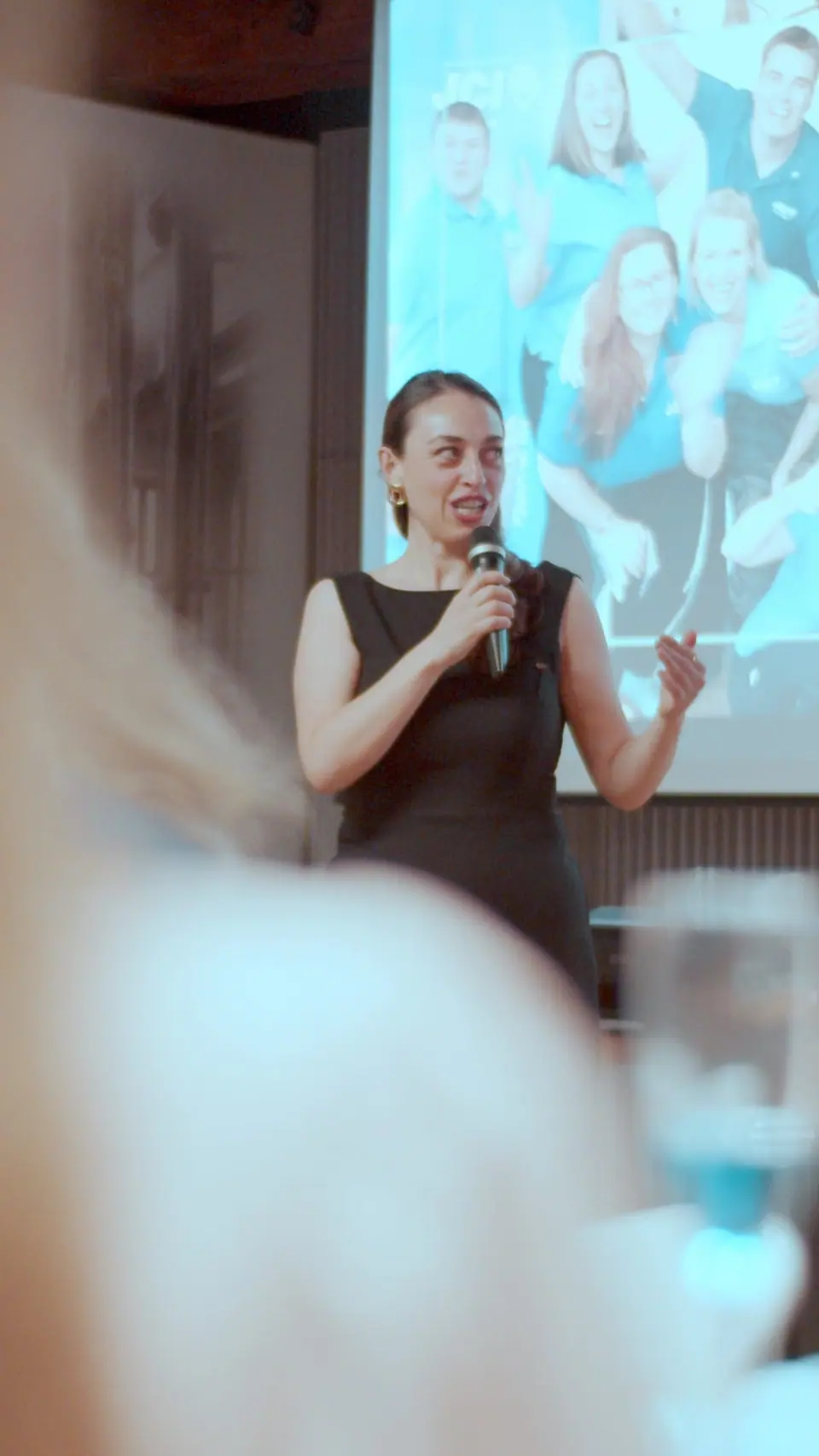
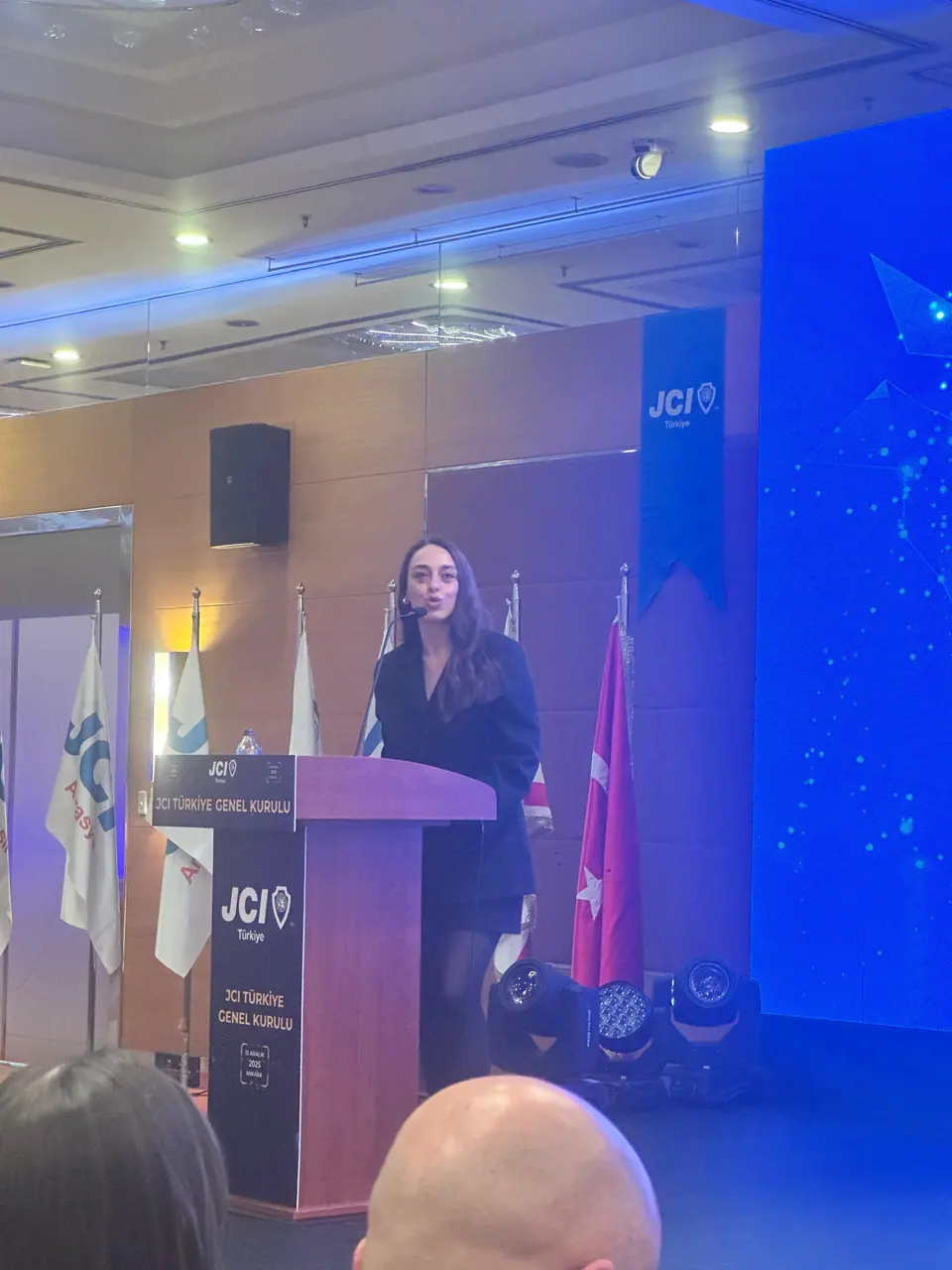
When faced with difficult decisions, how do you balance intuition and rational analysis?
I see them as partners, not opposites.
Data and analysis help me understand the situation. Intuition helps me understand the people within it.
If I rely only on logic, I may miss the human impact. If I rely only on intuition, I may miss the broader consequences.
So I pause. I listen. I reflect. And then I ask myself: Does this decision make sense, and does it feel right for the people involved?
The strongest decisions are the ones where both answers are yes.
You’ve guided leaders across more than 40 countries and contexts — what personal experiences shaped your ability to lead internationally?
I didn’t learn international leadership from a framework, I learned it in moments where things didn’t go as expected.
I remember being in conversations where I was sure I was being clear, structured, and solution-oriented… and yet I could feel the disconnect in the room. Not because people didn’t understand the content, but because we were approaching the same situation from completely different lenses.
In some cultures, people were direct and fast in decision-making. In others, trust needed to be built before any real conversation could begin. In some teams, speaking up meant engagement. In others, silence meant respect, not disengagement.
At first, I tried to “adjust my communication.” But over time, I realized something deeper:
International leadership is not about adjusting your words, it’s about expanding your perspective.
One of the most defining experiences for me was working with leaders from very different socio-economic and cultural realities, all trying to solve similar challenges in their own contexts. That’s when I understood that leadership cannot be standardized. What works in one place may not work in another, but the intention behind leadership remains universal.
Those experiences taught me to listen before I lead, to observe before I decide, and to ask before I assume. And maybe most importantly, they taught me humility.
Because when you truly lead internationally, you realize, you are not there to bring the “right way.”
You are there to co-create a way forward, together.
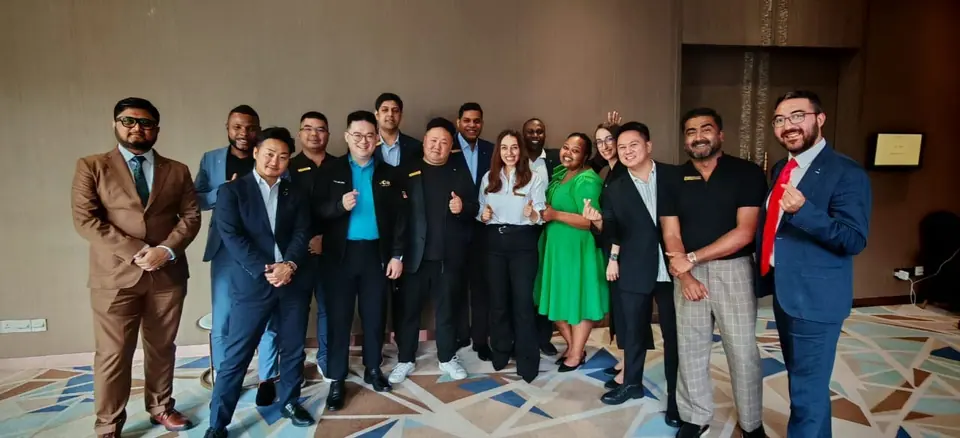
Which specific JCI role or moment do you consider a turning point in your development as a leader?
Becoming a JCI Executive Vice President.
Leading across continents, supporting thousands of members, and being responsible not only for results but for people’s growth… It shifted everything.
I realized leadership is not about being the strongest voice in the room. It is about creating a room where every voice can contribute. And that everyone feels safe and supported to ask for help when needed.
That responsibility transformed how I lead, how I listen, and how I show up.
What leadership lessons learned in JCI have been most valuable in your work outside the organization?
Three stand out:
- Ownership & accountability: If something matters, you take responsibility, even if it’s not “your role.” And, be accountable.
- Adaptability: No plan survives reality without flexibility.
- People first: Sustainable results come from empowered people, not controlled processes.
In my professional life, these principles have helped me build stronger teams, navigate complexity, and create environments where people don’t just work, they contribute
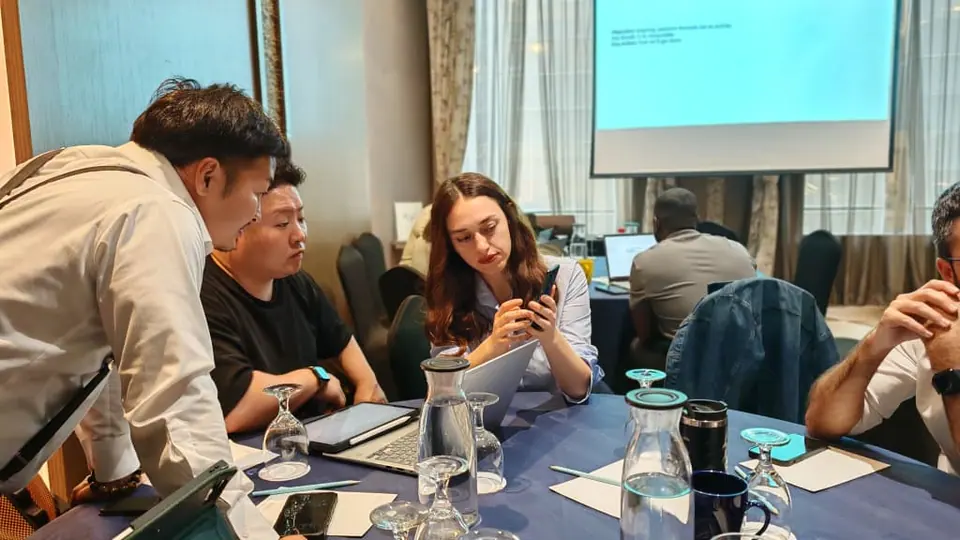
As someone who works with teams from start-ups to global environments, how do you adapt your leadership style to different cultural and business contexts?
I don’t start with “how should I lead?”
I start with: Who are these people, and what do they need to thrive?
In some environments, clarity and structure are key. In others, space and creativity matter more.
Adaptation is not about losing yourself. It is about expanding yourself.
And JCI taught me that the best leaders are not rigid, they are responsive.
What role does behavioral intelligence play in effective leadership, especially in today’s fast-changing world?
In my opinion Behavioral intelligence is the missing link in modern leadership.
We live in a world of rapid change, constant pressure, and increasing complexity. Technical skills can get you results. But understanding behavior helps you sustain those results.
When you understand why people act the way they do, whether they are driven by achievement, connection, learning, or security, you can lead them more effectively.
It turns leadership from reactive to intentional.
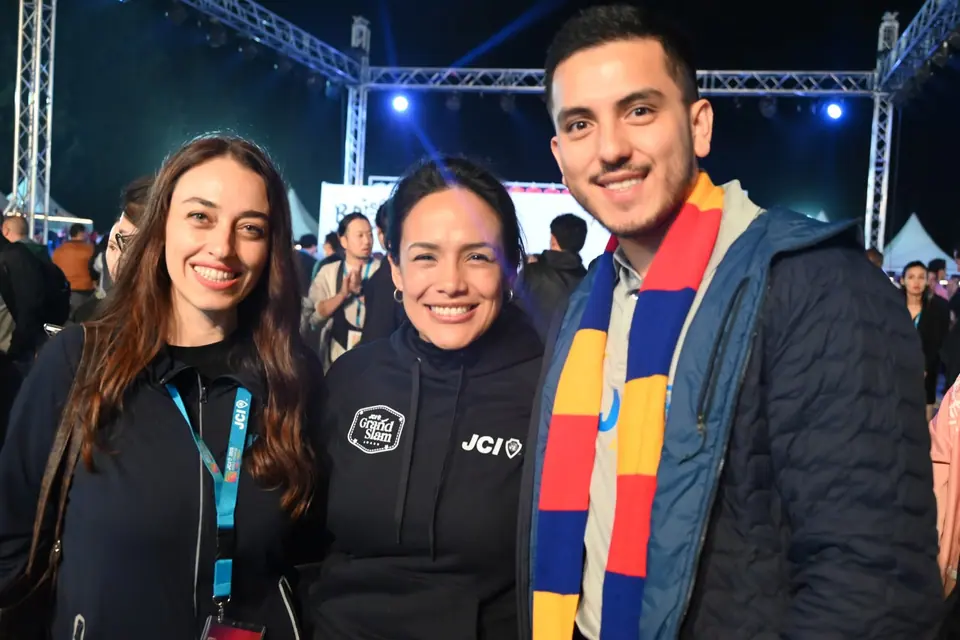
Leading others requires influence — what strategies have you found most effective in inspiring and motivating teams?
Not through authority, but through meaning. People are not motivated by tasks. They are motivated by purpose.
I focus on helping people see:
- Why their contribution matters
- How they are growing
- What impact they are creating, and most importantly, I trust them.
Because when people feel trusted, they don’t just follow, they lead.
What advice would you give to young women who aspire to leadership roles but face self-doubt or systemic barriers?
You don’t need to become someone else to lead.
You don’t need to wait until you feel ready.
You don’t need to have all the answers.
Start where you are. Use your voice. Take the opportunity, even if it feels uncomfortable. Because, confidence is not something you have before you act. It is something you build because you act.
And remember: You are not alone. There are women who walked this path before you, and many who will walk it with you.
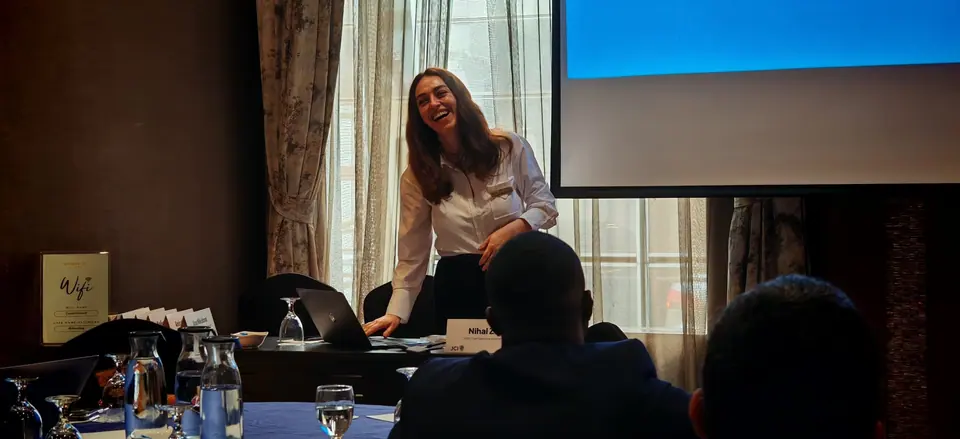
Looking ahead, what leadership legacy would you like to leave — personally and for others you mentor?
I don’t measure my legacy by titles or positions. I measure it by people.
If the people I worked with become more confident, more aware, and more willing to bring others together to create impact, then I have done my part.
Personally, I want to be remembered as someone who connected people, created opportunities, and led with both mind and heart.
And for those I mentor, I hope they don’t just become successful leaders, but leaders who choose to unite.
Because in the end, the world doesn’t need more individual success.
It needs more collective action.
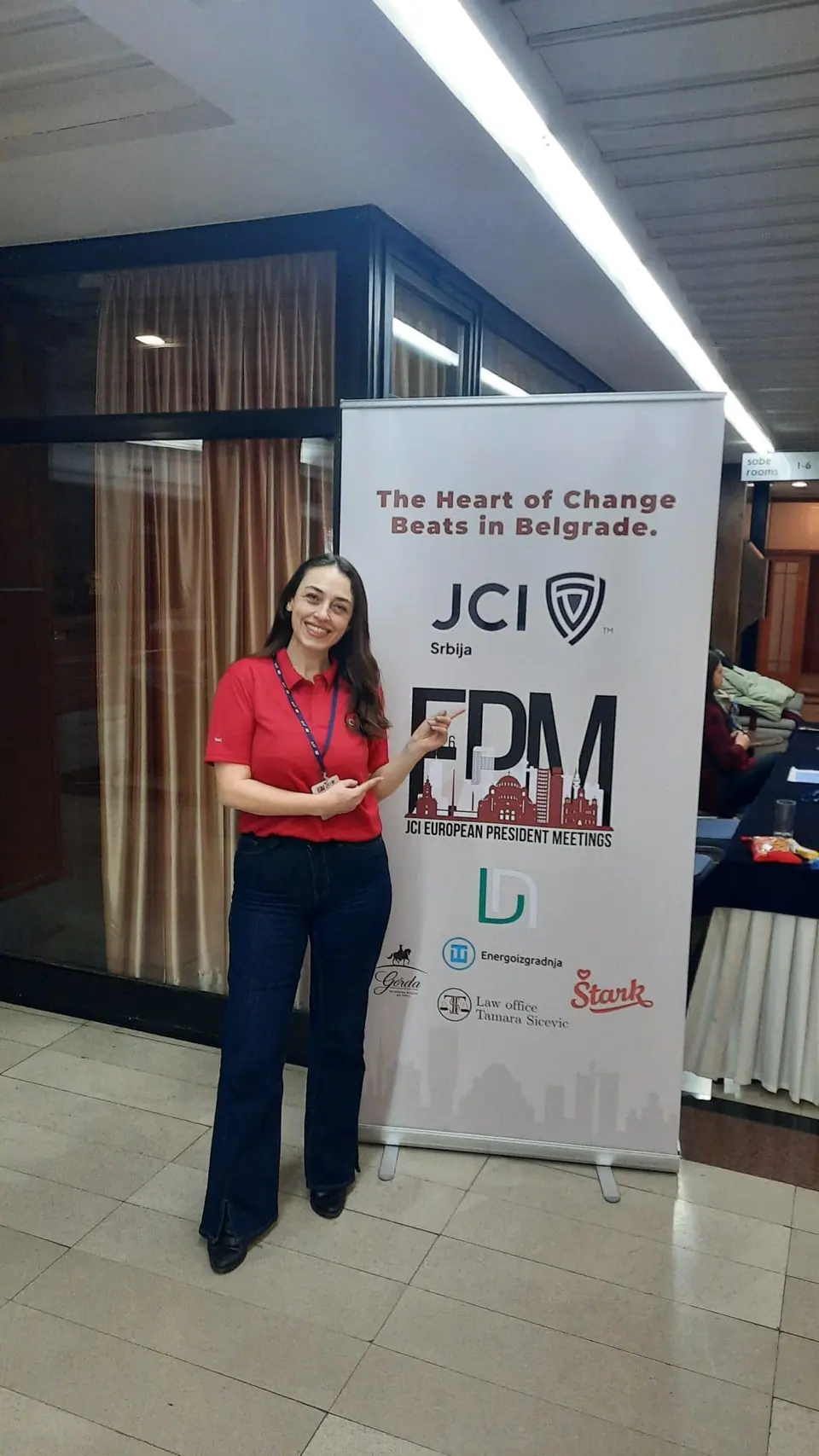
If this story inspired you to become a JCI member, find the National Organisation closest to you.