
· 16 min read · Leadership Interviews
“I am guided by the philosophy of Kaizen and the relentless pursuit of continuous improvement. I am inspired by the theory that a 1% daily improvement can compound into unbelievable results over time.” – Elvin Teo, JCI Secretary General
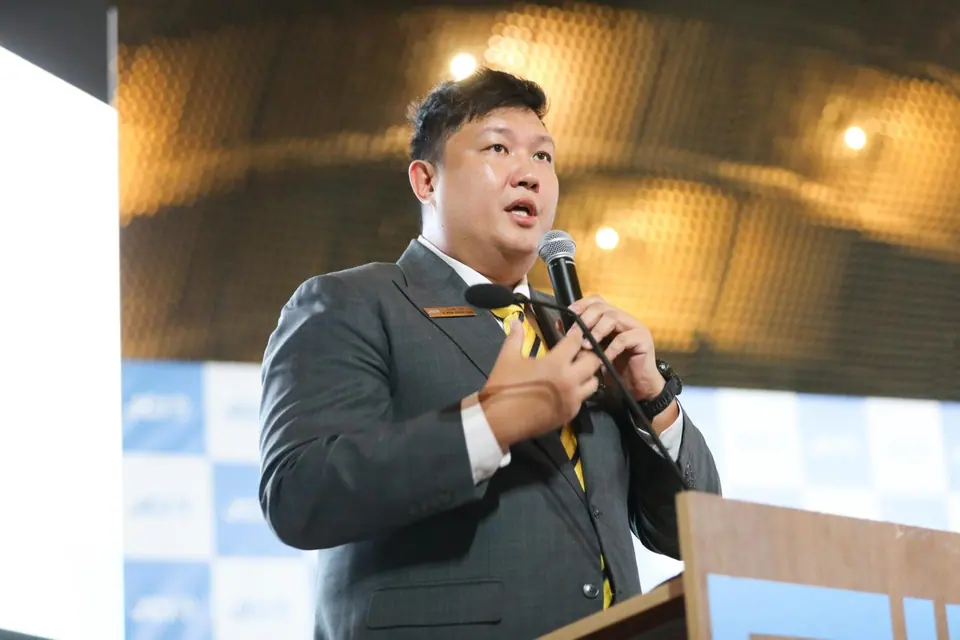
Today we have the honor of welcoming a leader who embodies vision, courage, and service: Elvin Teo. Elvin Teo is the Secretary General for Junior Chamber International (JCI). Appointed to the position in 2024 at the World Congress in Taiwan, and fully elected in 2025 at the World Congress in Tunis, Elvin brings a wealth of experience from both JCI and the business world.
Since joining JCI Marina Singapore in 2013, Elvin has been an active member, serving as local president in 2019 and National President in 2021. His international contributions include roles as JCI Virtual Community Promotion Chairperson in 2022 and JCI Vice President in 2024. Elvin’s professional background complements his JCI experience. He has demonstrated leadership and expertise in several fast-growing startups, most recently as Head of Customer Experience at Advance AI, a leading Asian AI and big data unicorn.
Let’s step into an honest conversation about what leadership truly means.
What does leadership mean to you personally, especially in a role that combines responsibility, continuity, and service to the organization?
To me, leadership is not a position of power, but a position of stewardship. In a role like Secretary General, where I am tasked with maintaining the organization’s continuity while driving its future, leadership means being the “custodian of our mission.” This role requires a delicate, constant balance of three fundamental pillars while actively juggling many other variables.
Leadership begins with a deep sense of responsibility, where I take personal ownership of the organization’s health and the collective well-being of every member. This is paired with a commitment to continuity, ensuring that the hard-won progress made by those who served before me is not only preserved but used as a stable foundation for those who will follow. Last but not least, it is defined by service; I believe my primary function is to enable others to succeed, measuring my success not by the number of followers I have but by how many people I have served and empowered.
How has your understanding of leadership evolved as you moved from elected positions into the role of Secretary General?
I have the chance to reflect on this question several times, as it has been one of the most asked questions.
Having served in the military for over 10 years, I am fortunate to have been exposed to leadership development early on in my career. This background provided a rigorous foundation that has underpinned every role I’ve held since. As my scope of influence grew, I was able to experience a conscious shift in my leadership style to meet the needs of the organization at different levels.
When I first joined as a member, I practiced servant leadership, learning that you don’t need a title to lead—you lead by doing, helping, and showing up for your fellow members, and for yourself.
Moving into an elected role as Local President required a transition into a visionary leadership role. It was no longer just about the immediate work; it was about inspiring a team of volunteers toward a shared goal and setting a clear direction for our local chapter.
Now, as Secretary General, my focus has shifted once more toward being a transformative leader. My work is centered on systemic change, transforming the organization, streamlining our processes, and ensuring we are agile enough to meet modern challenges.
The most vital lesson I have learned throughout this evolution is the necessity of adaptability. Your roles inevitably shape your leadership, and I have realized that a leader who cannot adapt to the changing needs of their environment and their team will eventually become a bottleneck rather than a bridge.
Some Food for thought – we have more and more members walking through the door of the organization asking, “What can the organization do for me” rather than the traditional notion of “What can I do for the organization”. This paradigm shift is the inevitable reality we must navigate alongside the evolving expectations of the millennial generation, and we must be mindful to create collectives and inclusive spaces that enable intergenerational collaboration.
Which core values guide you most strongly in your leadership, and how do they show up in your daily work?
Three core values act as my “North Star” in everything I do. First, taking ownership defines my daily work through the philosophy that “the buck stops with me.” Whether I am managing administrative records or making high-stakes strategic decisions, I prioritize transparency; if a mistake is made, I own it, and if a success is achieved, I ensure the credit goes to the team.
Because I started as a member, I also hold a deep commitment to empathy. I never want to lose touch with the members, so in meetings, I make a conscious effort to listen more than I speak. This ensures that diverse perspectives are heard and show up in my approach to conflict resolution, where I seek to understand the “why” behind an issue before addressing the “what.”
Finally, I am guided by the philosophy of Kaizen and the relentless pursuit of continuous improvement. I am inspired by the theory that a 1% daily improvement can compound into unbelievable results over time. When we extrapolate that logic to the organization’s level —where every team and every process is refining itself just a little bit each day—the scale of potential growth is truly extraordinary. It is definitely one of my core missions to weave this into the organization’s culture.
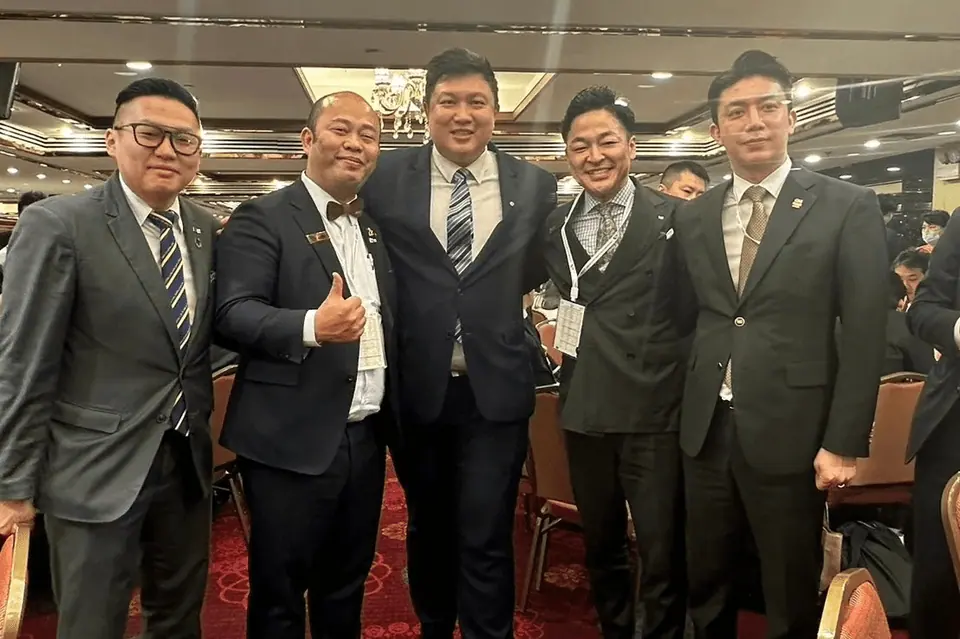
Looking back at your JCI journey, which experience or role most shaped your readiness to take on the role of Secretary General?
Looking back, my time as Local President was arguably the most formative period of my JCI journey. It was the first time I had to manage not just tasks, but the aspirations and diverse personalities of a team within a volunteer-driven environment. I quickly learned that inspiring and leading a group of volunteers toward a common goal is fundamentally different from leading a team in the military; it requires juggling the often-competing expectations of various internal and external stakeholders while maintaining morale without the leverage of a traditional hierarchy.
Because of these unique challenges, I am heartened to see the increasing number of leadership academies at the regional and local levels. In last year’s World Congress in Tunisia, we piloted the Inaugural Local President Academy with more than 60 participants. These programs are vital in supporting the growth and development of our members, ensuring they have the tools necessary to step into the role of Local President with confidence.
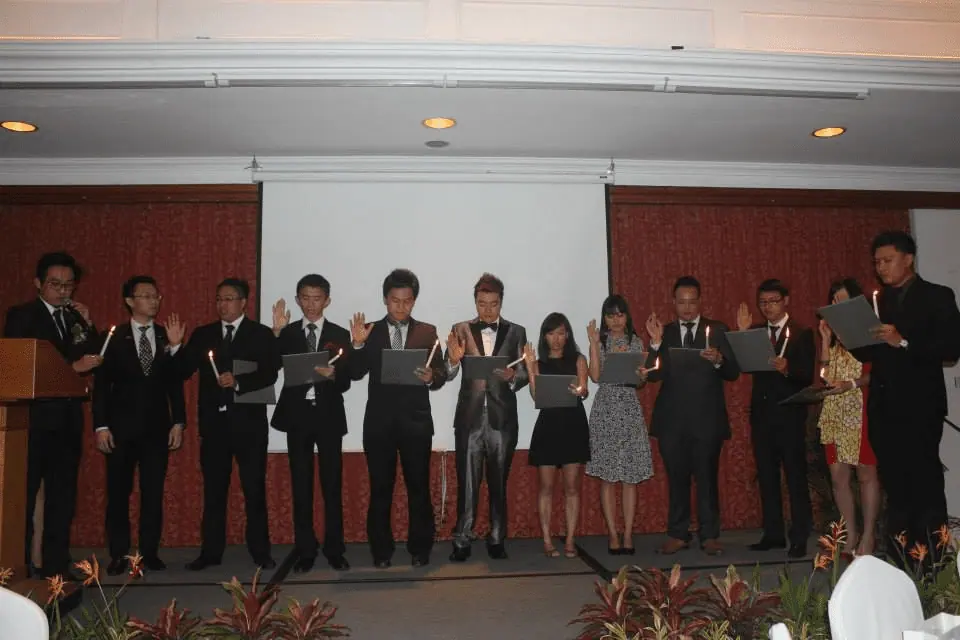
What lessons from your early years in JCI have stayed with you as you moved into senior international leadership positions?
One of the most profound lessons from my early years in JCI is the power of leading through merit and influence rather than relying on the weight of formal authority. While a position may command a task to be completed, it is influence—earned through consistency, competence, and quiet excellence—that inspires others to take true ownership and go the extra mile. This is particularly vital in our environment as a non-profit organization; our members are volunteers who sacrifice valuable personal time for the organization’s cause, and they deserve a leader who inspires commitment rather than just demanding compliance.
The second critical lesson was the necessity of seeking stakeholder buy-in. This is not merely an administrative step; it is a critical risk-management tool and the cornerstone of my philosophy for fostering a collaborative environment. No organization can be moved by a single person; it must be propelled by a collective will. When stakeholders feel their voices are truly being heard, they stop being observers and start being advocates. I have found that seeking buy-in through transparency and proven results is the only sustainable way to move a diverse, global organization forward.
Finally, I have learned the importance of letting my work speak for itself rather than engaging in political maneuvering. In any environment involving people, politics is bound to exist. However, having grown up in Singapore, where meritocracy is championed as a cornerstone of our success, I am determined to ensure that this same governance philosophy is reflected in my leadership. By prioritizing performance and integrity over political alignment, I aim to build a level of trust that ensures our focus remains where it belongs: on empowering our members and securing the long-term health of JCI.
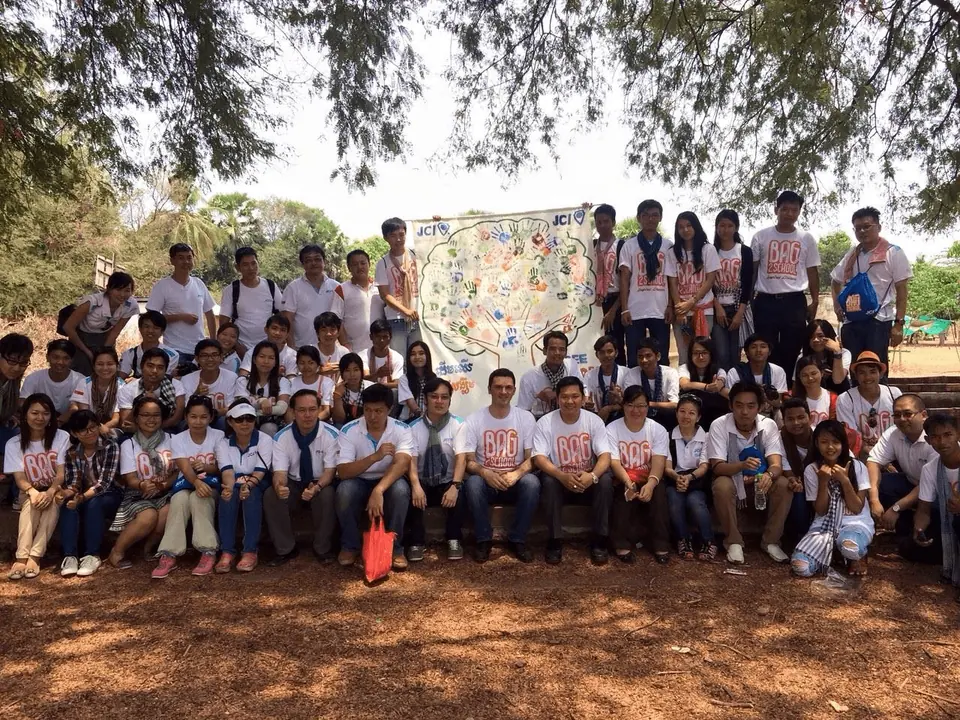
JCI offers a unique international environment. How have global collaboration and governance experiences influenced your leadership style?
Navigating the international environment of JCI has been a deeply humbling experience that has reshaped how I show up as a leader, particularly in the realm of global collaboration. My first true foray into the international arena was in 2022, when I was appointed as the Committee Chairperson for the JCI Virtual Community (JVC) Promotion, following my term as National President in 2021. This role served as a platform to learn through experience on global collaboration; it placed me at the helm of a diverse team of eight committee members located in vastly different corners of the world.
Juggling cultural nuances, differing communication styles, and the logistical challenge of working across multiple time zones taught me that global collaboration is not just about the work—it is about the human connection behind it.
I quickly realized that when you are leading people who have never met in person, laying down a crystal-clear direction is only half the battle. The other half is fostering a psychological safety environment where every member feels their local perspective is valued within the global strategy. I learned that exceptionally strong, proactive communication is the only way to facilitate true collaboration across borders.
This experience had such a profound impact on my perspective that it fundamentally shifted my professional career. Inspired by the success of that global team, I decided to transition into a regional professional role in 2022, seeking a career path that would allow me to further refine and scale this inclusive management style. It has reinforced my core conviction that a leader’s most important task is to be a bridge—not just between departments, but between cultures—transforming our global diversity from a complex challenge into our greatest organizational strength. Today, this is particularly important as the 30 members strong Headquarters Team is working remotely across different time zones and cultures.
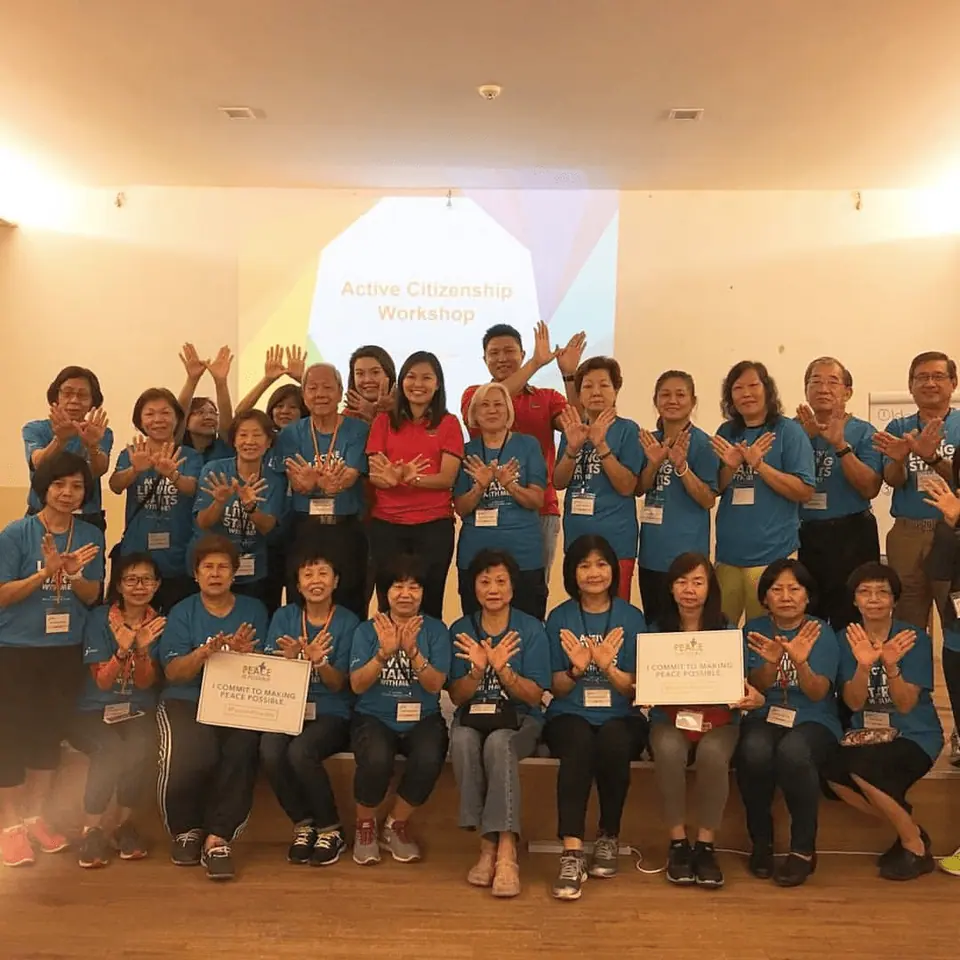
As Secretary General, your leadership often happens behind the scenes. How do you lead effectively without being in the spotlight?
In many ways, leading from the “engine room” of the organization is the most fulfilling part of my role. Leading effectively without the spotlight means finding deep satisfaction in being the invisible support that allows others to shine. I view my role as providing the stability, growth and administrative excellence that give our elected leaders the confidence to take the stage.
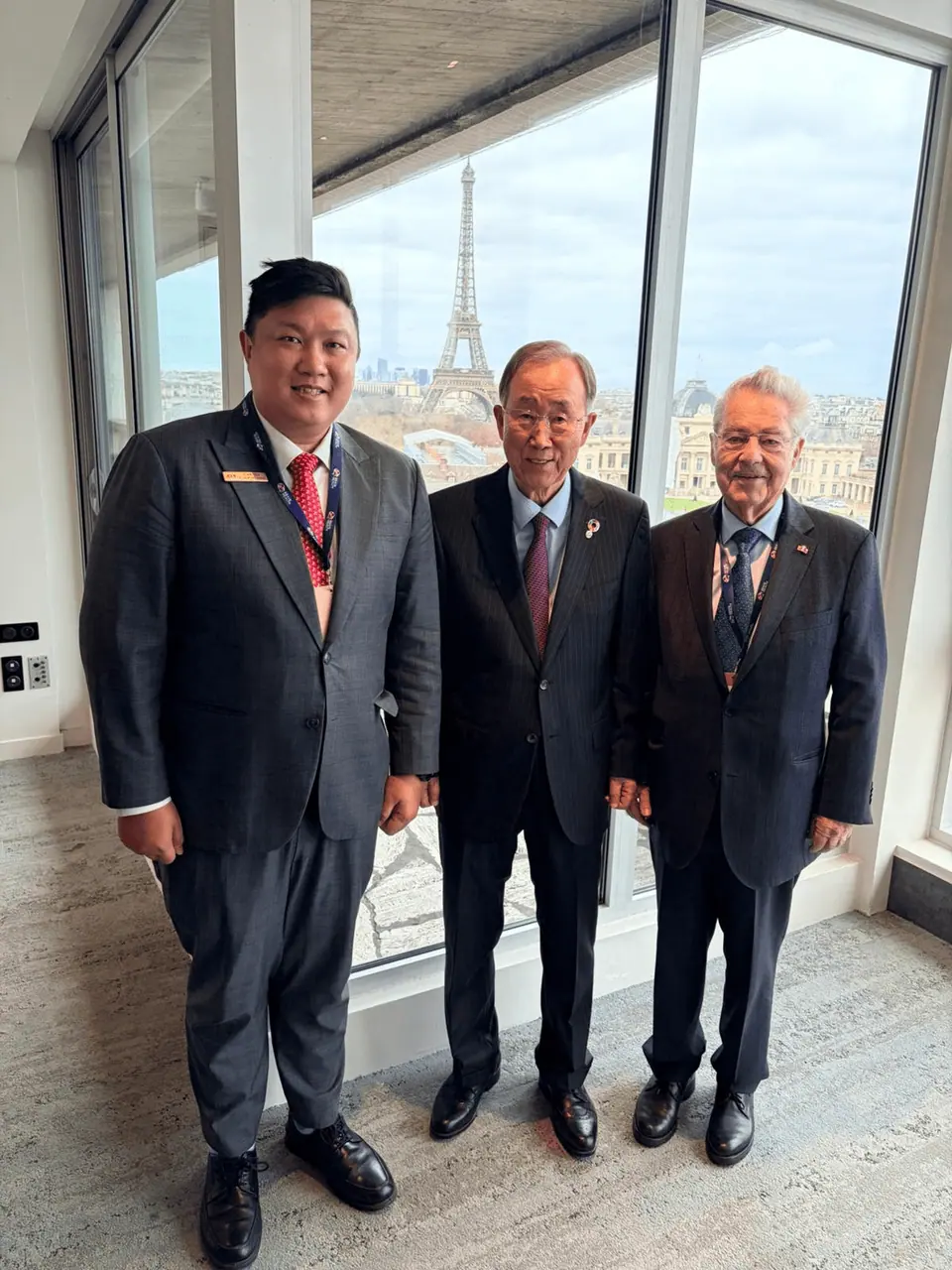
However, I always remind myself that JCI is, first and foremost, a member organization. We exist to serve our members, and part of my “behind the scenes” work is ensuring that the spotlight is directed back at them. One way I do this is by positioning key activities where our members have a real chance to participate on the world stage—such as through our work with the UN and our institutional partners such as the International Chamber of Commerce (ICC). By creating these pathways, we significantly improve member engagement and ensure the organization remains relevant to their aspirations.
My greatest satisfaction comes from the tangible results I achieve, not from the volume of the applause. I lead by example through my work ethic and by ensuring that JCI’s operations run smoothly, recognizing that a leader’s true legacy is built on the silent strength they instil in the organization’s foundation. My hope is that by the end of my tenure, I won’t just be remembered for “running the office,” but for seeing the organization transformed and better positioned to meet the evolving needs of new generations, while continuing to serve the current and past members who are the heart of our community.
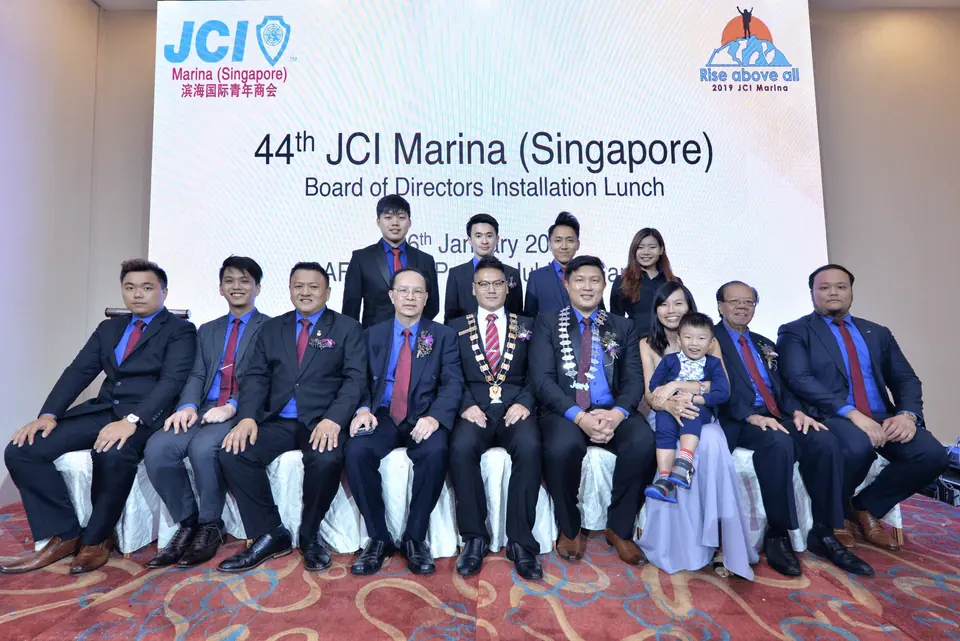
How do you balance structure, governance, and compliance with empathy and people-centered leadership?
I learned leadership the “hard way” in the military. As a freshly commissioned officer at 19, serving onboard a naval warship with a crew far older and more experienced than myself, I was quickly humbled. I realized that true respect must be earned through character and competence, rather than the rank on my shoulders. Within the close-knit environment of the ship, my leadership style evolved from being purely task-oriented to deeply people-oriented. I came to live by the principle that the “who” is more important than the “what”; the success of any organization depends on the synergy of its people working wholeheartedly toward a shared mission.
In an organization as vast and diverse as JCI, I often think of structure and governance as the skeleton that keeps us upright, while empathy is the heart that keeps us moving. As Secretary General, I don’t view compliance as a set of cold restrictions; rather, I see it as a framework of fairness that ensures every member, regardless of their country or background, has the same rights and opportunities.
Still, I know that rules by themselves do not inspire people. I keep this in mind by remembering that every policy or financial report represents a young person who joined JCI to make a difference. My approach to leadership is to be clear about our standards and mission, but open to different ways of reaching them by proactively listening to our National Organizations and our members. Rules are made by people. In the end, structure gives us stability and helps our members feel safe enough to become the creative, caring leaders the world needs.
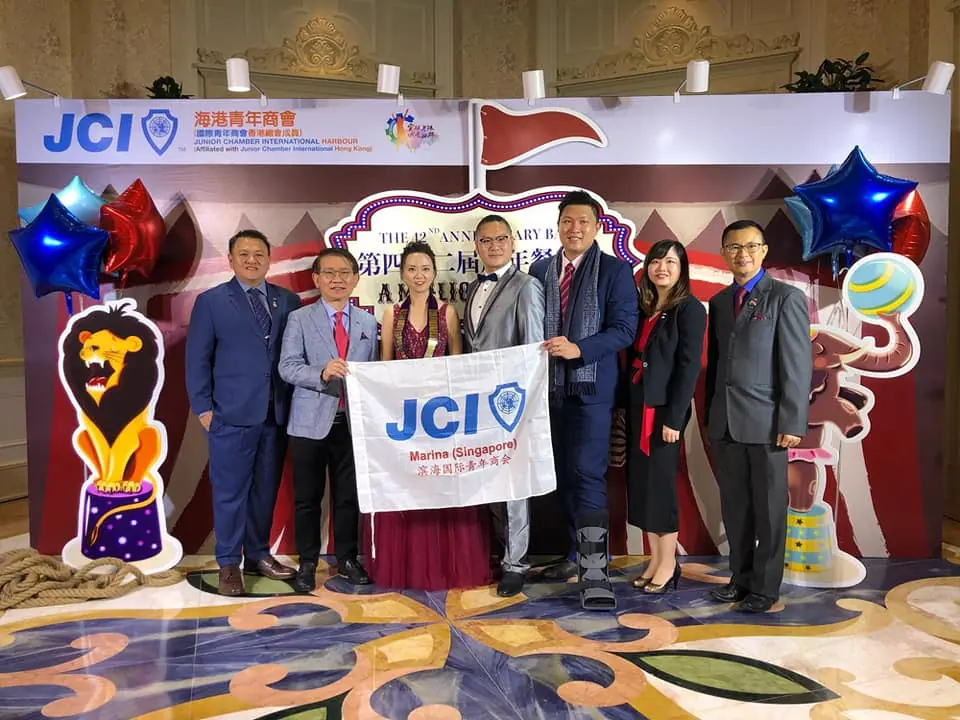
What are the most challenging leadership decisions you face in your role, and how do you approach them?
The weight of leadership in this role is most felt when dealing with the allocation of limited resources. Whether it is time, talent, or budget, we are managing a global network with endless potential but finite means. Choosing to prioritize one initiative often means telling many passionate people “not right now,” which is never easy.
When I face these decisions, I lean heavily on my background in the fast-moving fintech industry in Asia. Working in one of the region’s largest fintech firms taught me that data-driven decisions are absolutely essential, especially when setting long-term strategic directions. In the corporate world, you don’t move without evidence, and I’ve brought that analytical mindset to JCI. I’ve recognized that we currently lack the necessary structure and capability to truly leverage data for global strategy. Therefore, one of the core improvements I am striving to achieve during my tenure is to build this capacity. By modernizing how we track and analyze our impact, we can ensure that our “data-driven empathy” isn’t just a concept, but a reality where our decisions are transparent, logical, and serve the organization’s future growth.
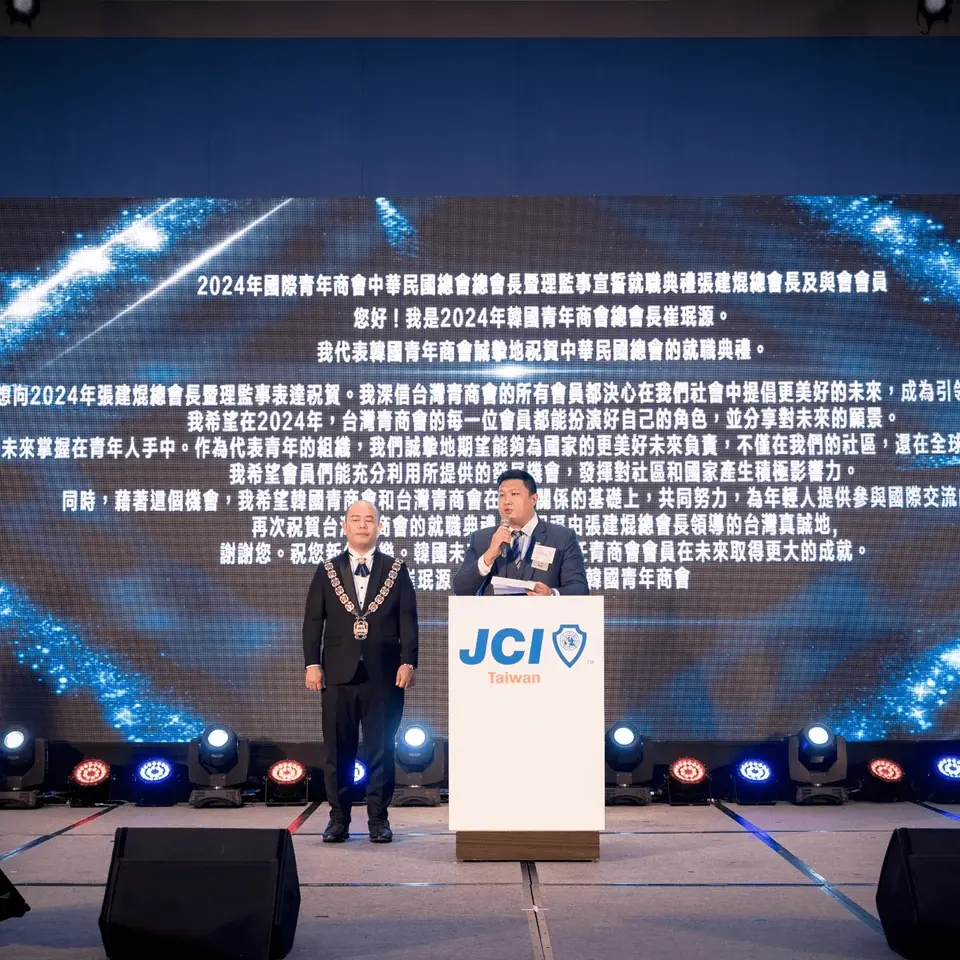
What advice would you give to JCI members who are interested in governance, administration, or long-term organizational leadership?
To lead effectively, you must master the operational aspects of the organization. I encourage members to begin locally by volunteering for their board and learning the fundamentals of meetings and bylaws. Do not follow rules blindly; seek to understand their historical or legal context. View administration as a tool that, when executed well, enables smooth operations.
Throughout my career, I have earned a reputation as a “fixer” who enjoys tackling complex challenges and identifying solutions. My approach is to simplify, streamline, and set a clear direction to drive progress. However, I have learned that true success depends on prioritizing people. Our organization’s greatest asset is its people, and leading, developing, and empowering them is a core responsibility that requires ongoing attention and genuine care.
True leadership also requires a hands-on approach and a willingness to work alongside your team. For those interested in leadership, I recommend viewing people management not as an obstacle, but as the structure that empowers your team to achieve lasting impact. If you are committed to both creating order and supporting your team’s growth, you already demonstrate the administrative leadership JCI needs for its future, and you will equally find success in your personal and professional life.
How can young leaders better prepare themselves for leadership roles that require patience, consistency, and responsibility?
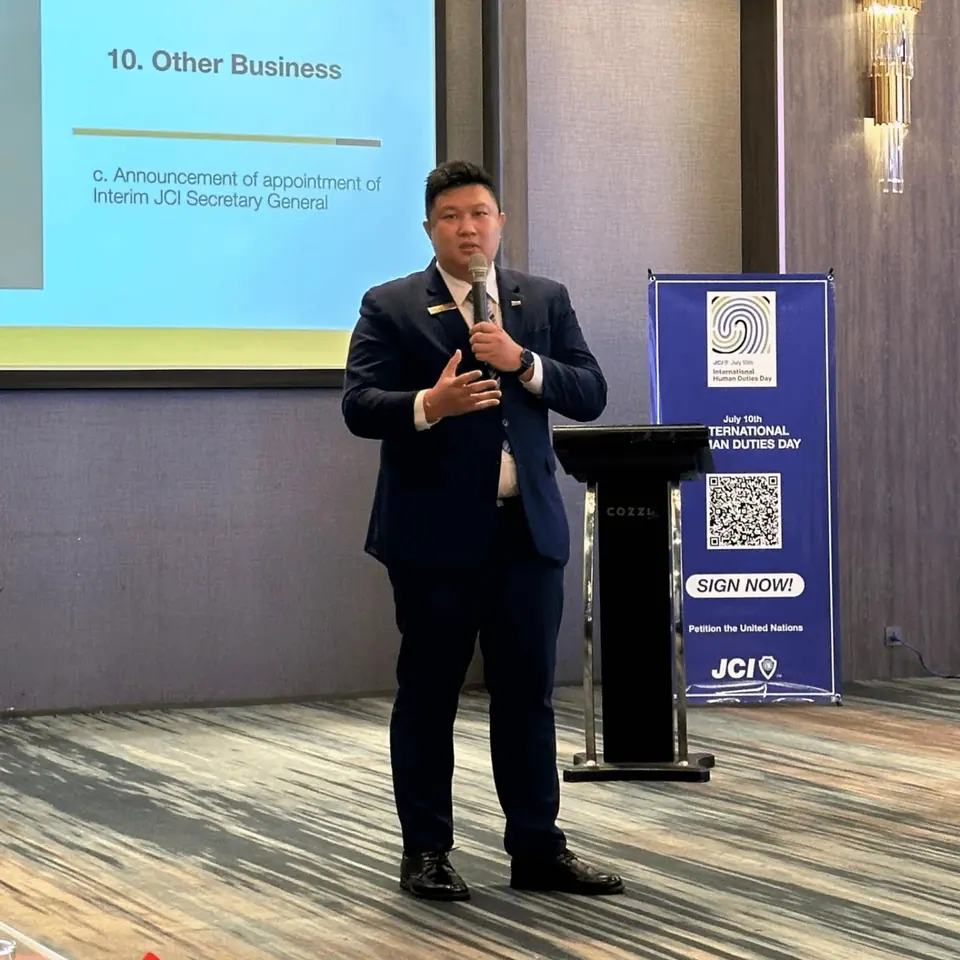
While our world often expects instant results, true leadership requires long-term commitment. To prepare for greater responsibility, young leaders should develop strong project management skills. Project management bridges visionary ideas and practical execution, offering the most effective training for leadership. It requires overseeing every stage of an initiative, from the initial launch and challenging middle phases to final delivery and accountability.
Managing a project demonstrates that consistency is essential for success. It develops your ability to manage stakeholders, assess risks, and maintain progress despite setbacks. This experience builds patience and reinforces that your responsibility extends beyond the idea to the people and processes involved. Successfully completing a complex, long-term project shows you have the endurance and reliability required to lead at the highest levels of JCI.
Looking ahead, what kind of leadership legacy do you hope to leave within JCI?
For me, this means leaving JCI as more than just a group of motivated people. I want it to be a strong, high-performing global organization. My aim is to make our operations more stable, modern, and financially secure than when I started. Through my past experience, I hope to create a culture where we use data to guide us and digital tools to make our work easier. I want to give future leaders a solid foundation, so they can focus on building their dreams instead of fixing what came before.
When I look at the bigger picture, I see that JCI can grow into an even more influential global organization. We are known for developing leaders, and that is at the heart of what we do. But I hope our legacy will also include strong program delivery and helping shape important policies. I want JCI to be the group that world leaders turn to when they want to hear what young people think. We should not only train future leaders, but also run programs that make a difference now and help create the policies that will shape our world.
More than just focusing on systems and spreadsheets, I hope to be remembered as a Secretary General who brought our World Headquarters closer to our members. If I can help create a culture where our global structure supports and motivates our members, instead of holding them back with bureaucracy, I will consider that a success. My legacy will not be measured by reports, but by the confidence of the young leaders who come after me, making sure they have the clarity, tools, and influence to lead JCI into its next century.
If this story inspired you to become a JCI member, find the National Organisation closest to you.