
· 9 min read · Leadership Interviews
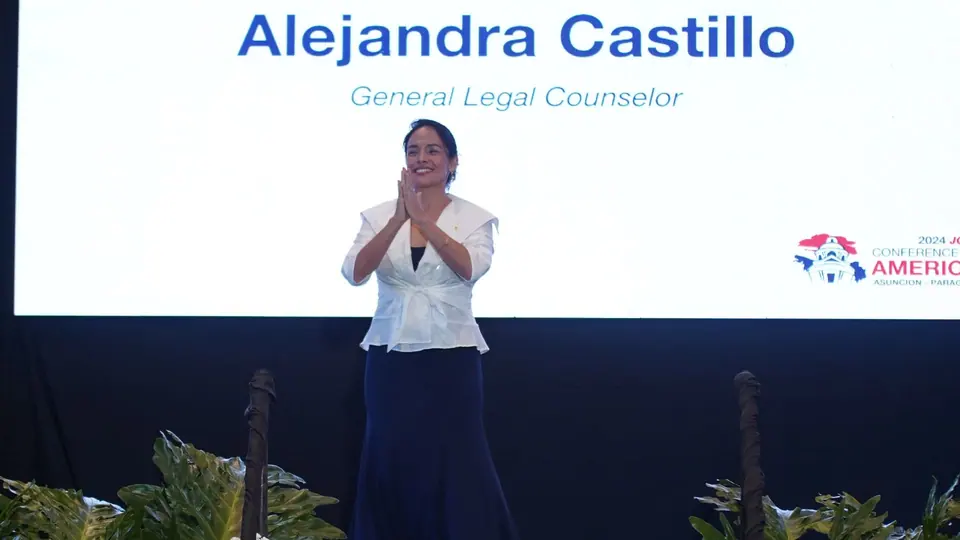
2026 JCI President, Alejandra Castillo: “There is something powerful that lives in the mind of a woman: persistence—the stubborn determination to reach her objective.”
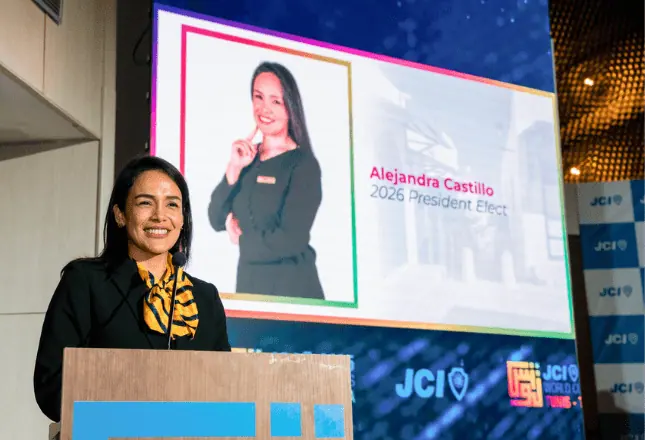
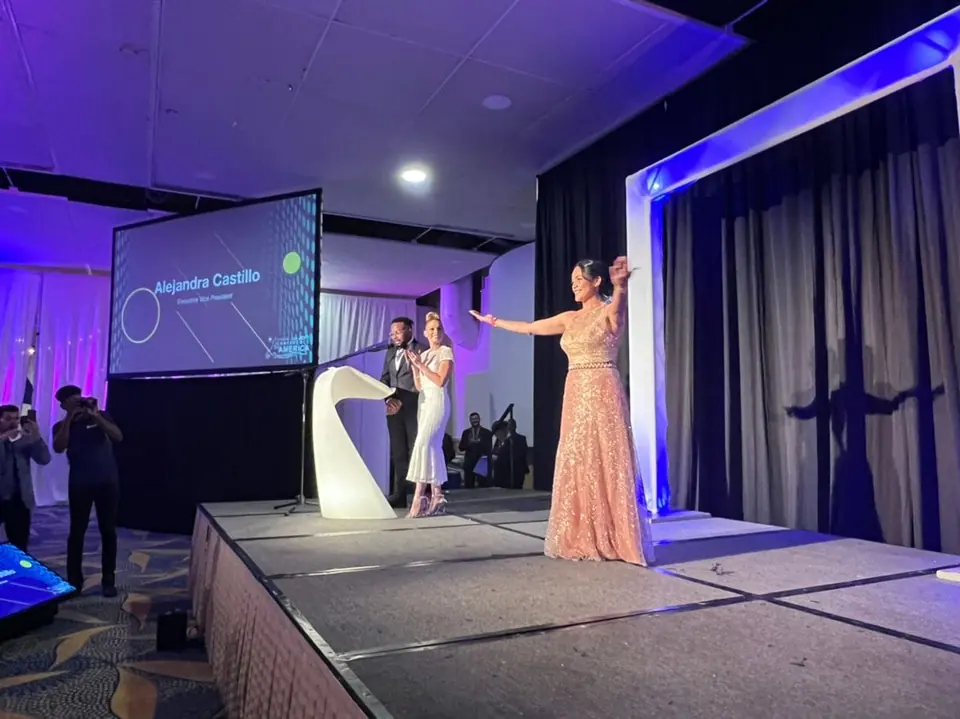
The last interview of the year deserves a remarkable leader. In this edition, we welcome the 2026 JCI President—the fifth woman to serve in this role—whose leadership continues to inspire change, Alejandra Castillo from JCI Bolivia.
What does leadership mean to you personally, and how has your definition evolved as you prepared to take on the role of JCI President?
Leadership, for me, is that moment when you have a clear mission and you also have a team walking with you—aligned not only with your goals, but with shared goals that belong to everyone. It’s about recognizing the abilities each person brings, so all of us can move in the same direction and truly add value to one another.
My definition has definitely evolved. At the beginning, I saw leadership as a group of people with someone “in front” leading them. Then, at the national level, I understood it differently: I had to learn how to identify the potential in each of my national leaders and help them use it in the best way.
And at the international level, I really understood the importance of working leadership both vertically and horizontally—but even more horizontally. Because in that space you have to co-depend, co-learn, and grow as much as possible in order to be ready to exercise vertical leadership when the time comes.
So today, stepping into the World Presidency, leadership is simply having a team that can perform at its best—even when you are not present—because they believe in a common purpose and are committed to a shared objective.
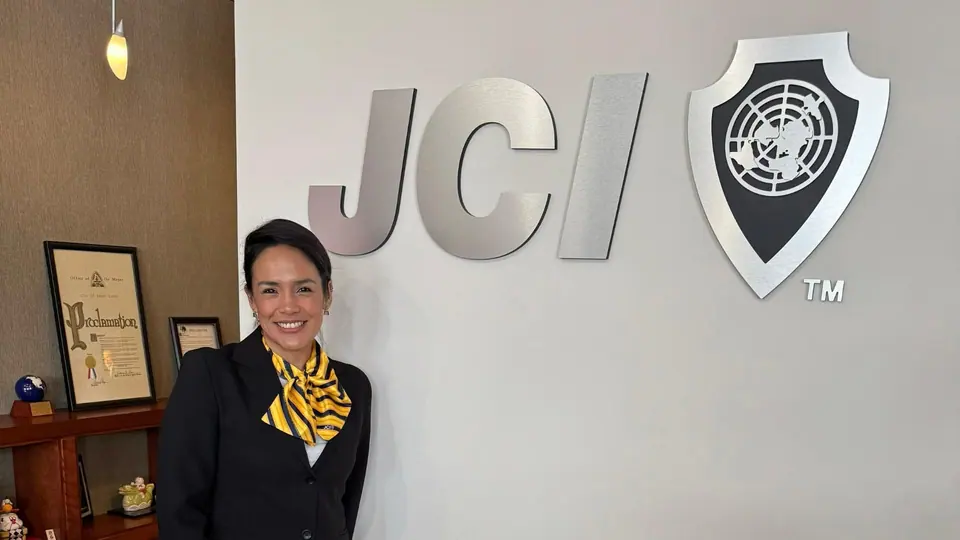
There were only a few women to lead JCI in more than a century. How does this milestone influence your sense of responsibility and purpose?
It feels like a very deep weight, and at the same time, a huge responsibility. And when I say “weight,” it’s because only four women have reached this level, so you can’t ignore what that means. It naturally puts you in a position where you feel: if you do it well, many more women can come after you.
But there’s also another side to it. If something goes wrong, people may be tempted to think the failure happened “because she is a woman.” And that is exactly why the purpose becomes even bigger. Because through a fifth female presidency, we can open countless doors and break the paradigm that a woman needs “something extra” to become president. On the contrary, women are deeply prepared to achieve everything they set their minds to.
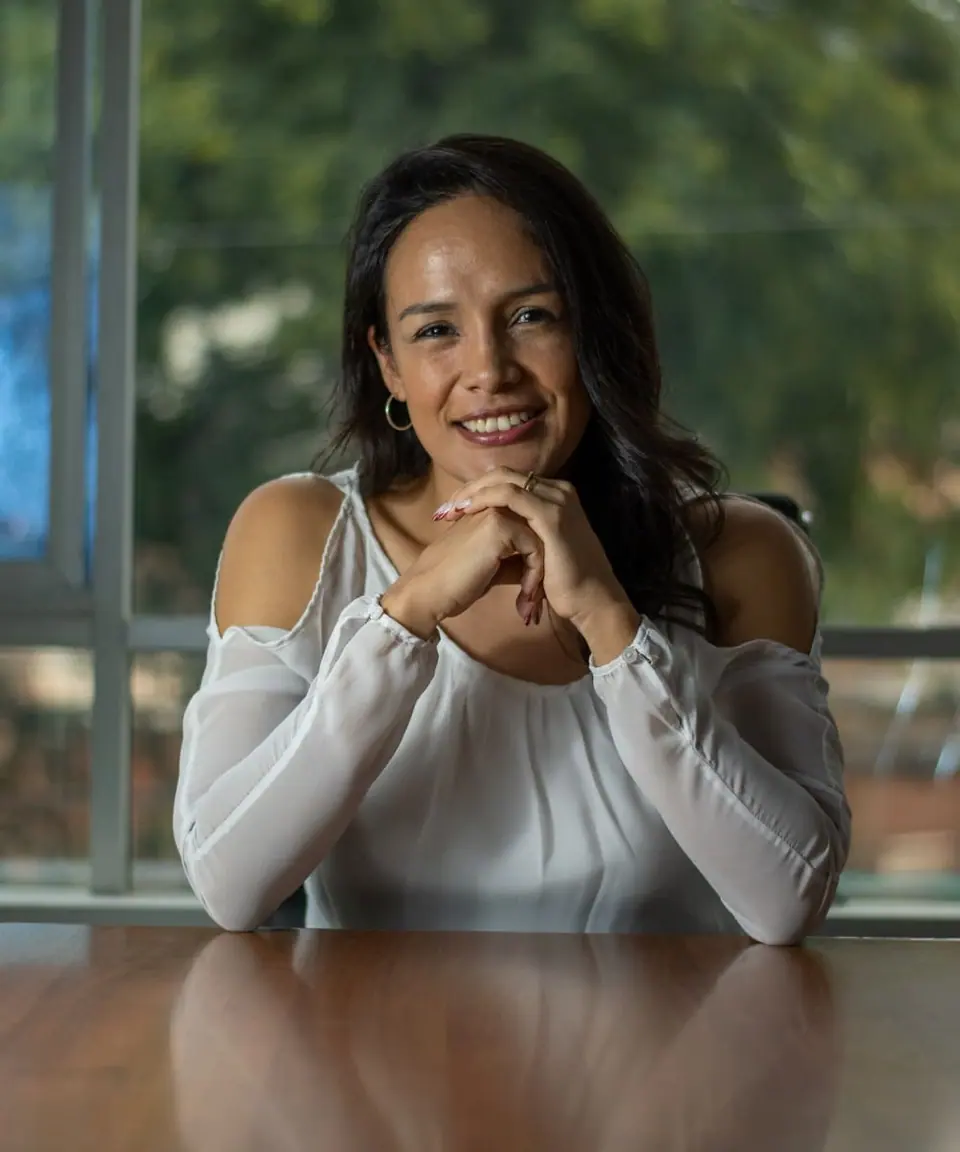
What core values guide you as a leader, and how do you ensure they are reflected in your decisions and actions?
Discipline guides me a lot, first of all. And responsibility.
For me, those values are reflected in something I’ve used for a long time as my slogan: “Your work is your flag.” Because when you align who you are with how you act, and you make decisions consistent with that alignment, your integrity becomes visible. Your work speaks. It shows your responsibility, and it shows your discipline.
Was there a moment in your life or JCI journey when you first truly saw yourself as a Leader?
Yes. The first moment when I truly had that inner vision of “I can lead” came through a project called “Un Vaso de Leche” (A Glass of Milk). And it wasn’t only my personal impression—it was me and a team creating real change, working with children in the prisons of my city.
I think that was the moment when I understood the strength of what it means to lead: not to stand alone, but to move with others and make something real happen.
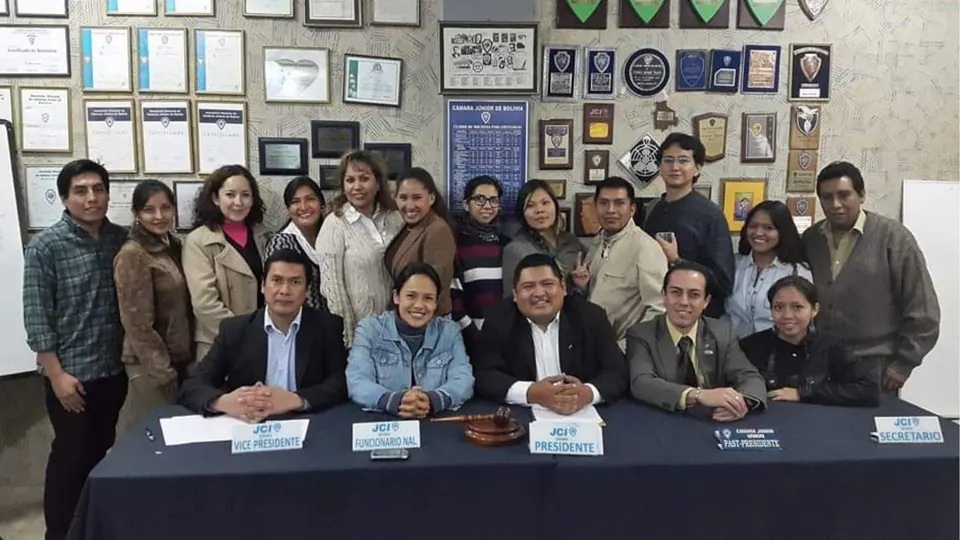
Looking back at your JCI journey, which experience or role most shaped your readiness to become JCI President?
If I look back, the roles that shaped my readiness the most were my Local Presidency, my National Executive Vice Presidency, and—internationally—my experience as a JCI World Vice President.
Why these three? Because they sit right at what I call the engine of JCI.
- The real engine of our organization is the Local Presidents. Nothing at the global level would exist if there were no action happening in local communities.
- The National Executive Vice President is the person who makes a National Organization function. This role is the one that helps build and execute the strategy, and ensures the country grows, becomes more effective, and delivers real results across cities and communities.
- And the World Vice Presidency gave me the international panorama: understanding my own area deeply, and then understanding other areas through working alongside World Vice Presidents from different portfolios. Because they touch the smallest level—the direct connection with members, what we call the grassroots level—where real action meets the international structure.
What lessons from your early years in JCI have stayed with you as you climbed through international leadership positions?
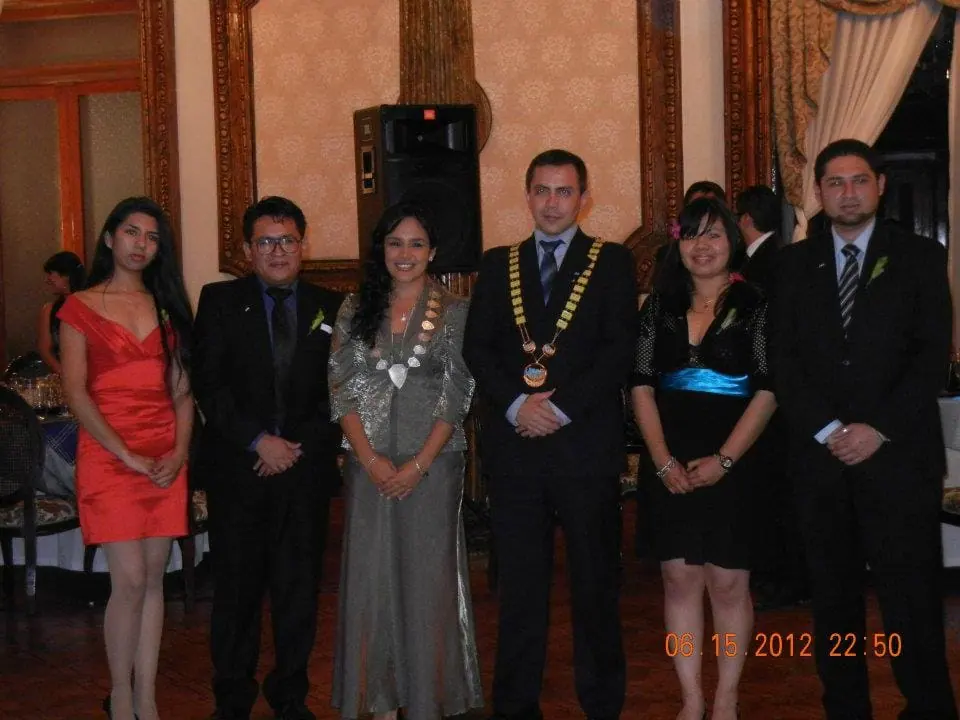
One of the earliest—and most vital—lessons I learned is a phrase a trainer once said in a negotiation course: “JCI filters itself.”
And for me, that’s true. Over the years, I’ve seen people leaving the organization—some disappointed for reasons outside of JCI, others simply because they reached a limit, or because they left before even living the full span of what can be an 18-year or even 40-year journey. And that doesn’t necessarily mean something is wrong; many of those people simply didn’t need more from the organization, or they didn’t find themselves in it.
To me, “JCI filters itself” also means something deeper: leadership is formed, more than it is born. And that’s why preparation matters so much—because the level of your preparation will also define the level of your progress.
Another lesson that has stayed with me is this: no one can motivate you more than you can. There is no course, no person, no coach, no mentor who can make you move a finger unless you have the attitude and willingness to do it. In JCI, self-motivation is the key to being able to handle leadership positions and sustain yourself through them.
JCI offers a unique international network. How have global collaborations influenced your leadership style?
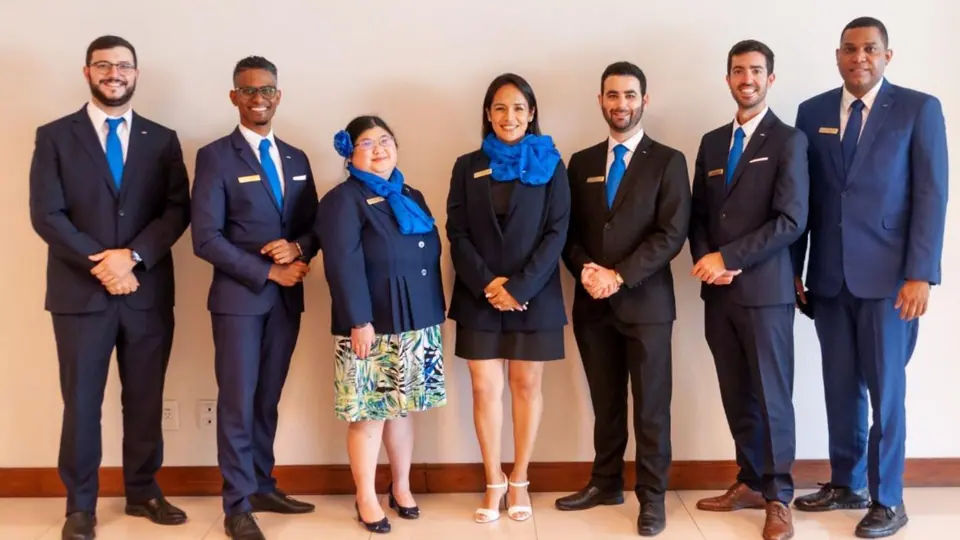
JCI has influenced me through global collaboration. Not only by shaping my leadership style, but honestly, by forging in me what I would call a new career.
Because through JCI my leadership style changed, it transformed, my character was formed, and my discipline became stronger. And there is one phrase that, for me, summarizes what the international network has taught me: “Nothing is impossible. There is always a way.”
The global network showed me that even if I don’t know the way yet, or even if I don’t believe in a solution at that moment, there is always a way somewhere in the world. There is always someone who has already done what we need, or someone who can help you transform a decision, change the approach, and move forward.
As you prepare to lead a global organization, what do you see as the most important leadership priorities for JCI in 2026?
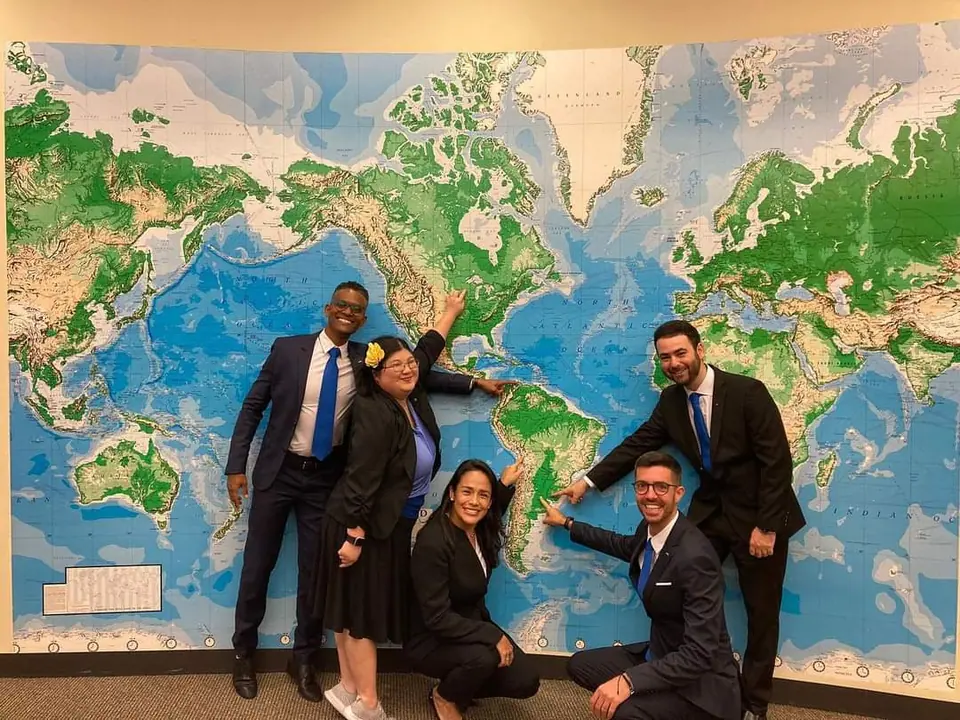
For me, one of the most important priorities is helping our leaders discover their own potential through the development of soft skills. Because when a leader is truly prepared, that leader becomes capable of creating real change in their community—both inside and outside the organization.
At the same time, another key priority is strengthening connection through international collaboration. And a third priority is agility—agility in leadership and in decision-making. Not just speaking about leadership, but practicing agile leadership: faster methodologies, quicker implementation, and a mindset that embraces innovation in response to how fast the world is changing.
That includes something as present as artificial intelligence—using it in a smart way—and also building direct connections between our areas and our members through platforms where borders, distance, and limitations no longer hold us back.
So if I summarize it: agile leadership, deeper connection through international collaboration, and evolution through new technologies—starting with something as basic, and as powerful, as AI.
How do you plan to motivate and unify young active leaders from diverse cultural, political, and economic backgrounds?
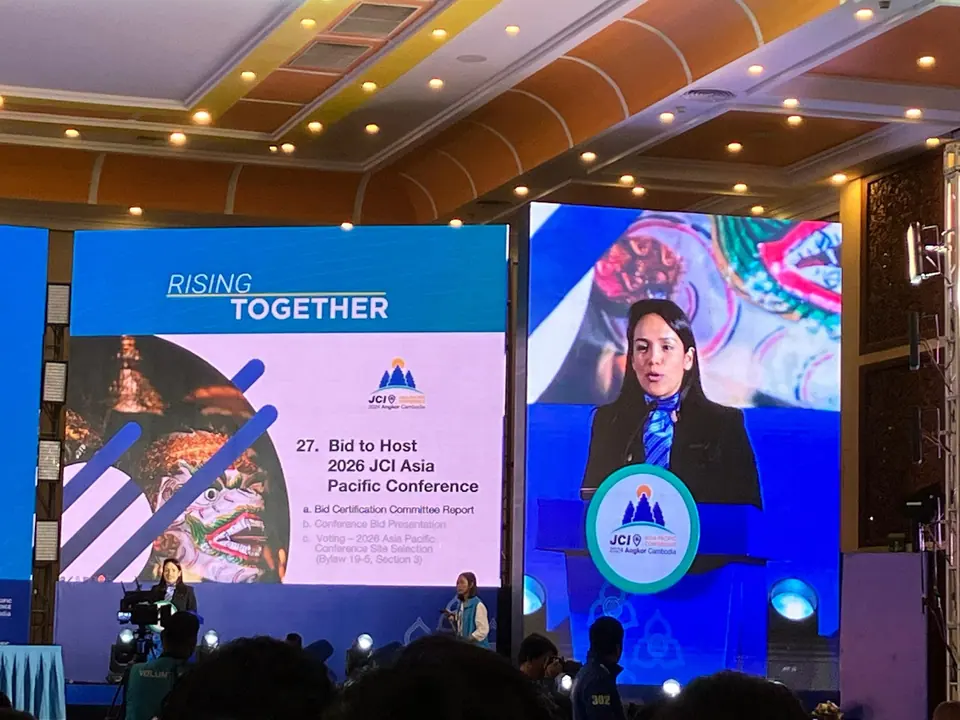
This is closely connected to what I just shared. Under the idea of connection, I believe the greatest richness of JCI is precisely the diversity of our members—combined with unity around one single mission.
Many global organizations have shared goals and missions, but in JCI I truly see something different: diversity doesn’t divide us, it actually makes us stronger. It makes the organization more complete.
So the focus is to connect people—connect members, connect challenges, connect solutions, connect best practices. Even connect situations where the same problem appears in different parts of the world, so we can create visibility, learn faster, and approach global challenges together—like sustainability. And yes, even language barriers matter, because if we want real unity, we must make collaboration easier and more accessible.
That is why we take as our flag the idea of creating solutions for future generations through action today—not someday, but now.
What major challenges do you foresee for JCI in the next decade, and how do you intend to guide the organization through them?
The biggest challenge I see is not being fast enough—not accelerating our change, and not fully understanding the level of adaptability JCI needs right now to face a new era.
And it’s not only a digital era. It’s also a new generation of young people between 18 and 40 who will not operate under the same parameters that many of us experienced—even myself when I joined JCI 19 years ago.
We have to accept something clearly: from time to time, you need to open and close cycles. And that is what will be difficult for JCI—but it is also what we must implement.
A change that can be tested, adjusted, and implemented again quickly—until we find the right formula that attracts young people to the JCI mission without losing our essence, but evolving with new generations and new technologies.
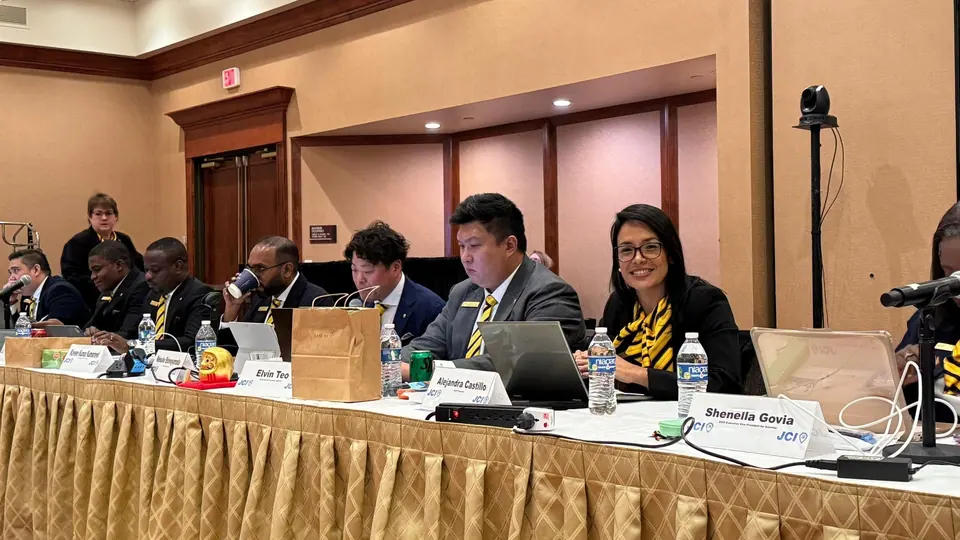
What message would you give to young women in JCI who aspire to take on leadership roles but may doubt themselves?
A woman’s strength very often goes beyond what people can even understand. It’s important to remember that women were not made only to multitask, not only to give life, not only to be mothers. Throughout history, women have been present in critical moments—to lift communities, countries, organizations… and to show what an unstoppable force looks like: resilience in the face of adversity, obstacles, and even pain.
And without diminishing men at all, there is something powerful that lives in the mind of a woman: persistence—the stubborn determination to reach her objective.
So my message is simple: never doubt yourself. The strength you carry can overcome almost any barrier. But you must believe in yourself first, that is your essential first tool. And then, prepare yourself for the challenge you want to achieve.
Because the bigger your challenge is, the bigger your preparation must be. That is the only way you will truly be able to use—and unleash—your full potential.
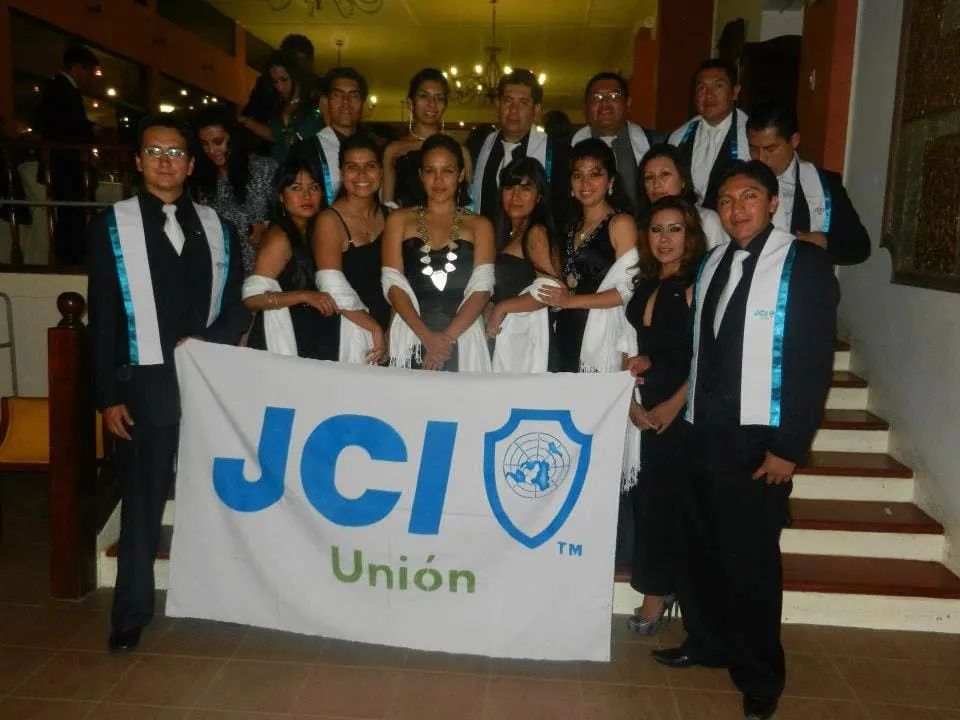
What kind of leadership legacy do you hope to leave at the end of your presidential year?
I want the legacy to be that a global organization can be understood by every single member as a true sense of belonging—an identity of being a global citizen.
That every JCI member understands: I belong to the world. That global challenges can also be addressed from their own reach. That every activity they do can contribute—like a grain of sand in the ocean—to solving any situation. And that we internalize what I believe is the JCI formula: local action for global leadership.
So the legacy I hope to leave is young people who are prepared and who exercise leadership in their Local Organizations, National Organizations, and even at the international level—connecting with other areas and regions of the world to bring solutions, or to export knowledge, preparation, and experience.
Because JCI can evolve globally through each member who goes the extra mile. Young people who start building their leadership early—rooted in their local organizations and communities — so that together, we can create global solutions.
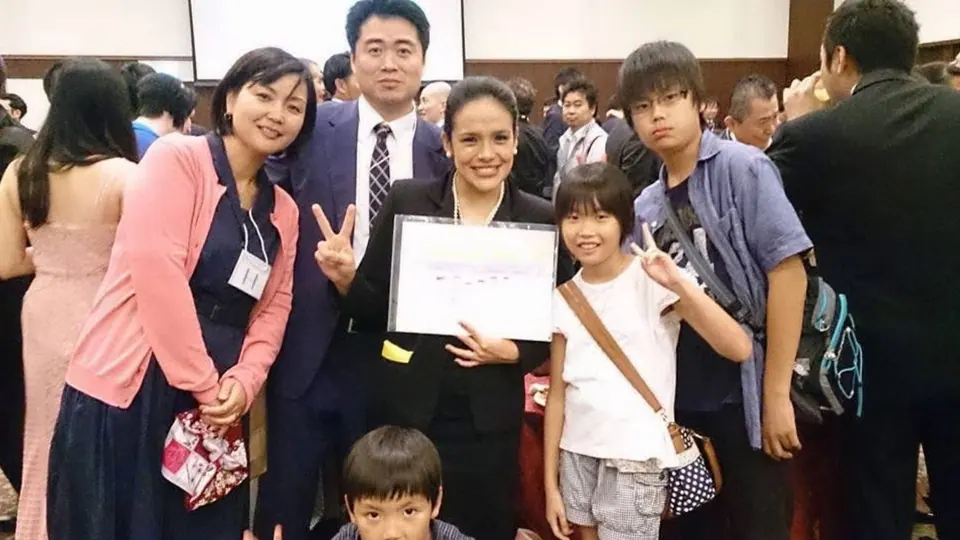
If this story inspired you to become a JCI member, find the National Organisation closest to you.