
· 7 min read · Leadership Interviews
“A legacy of clarity, connection, and reliability. Not centered on me, but reflected in others feeling stronger in their leadership, is what I aim to leave behind.” – Stefanie van der Sman, 2026 JCI Executive Vice President for Europe
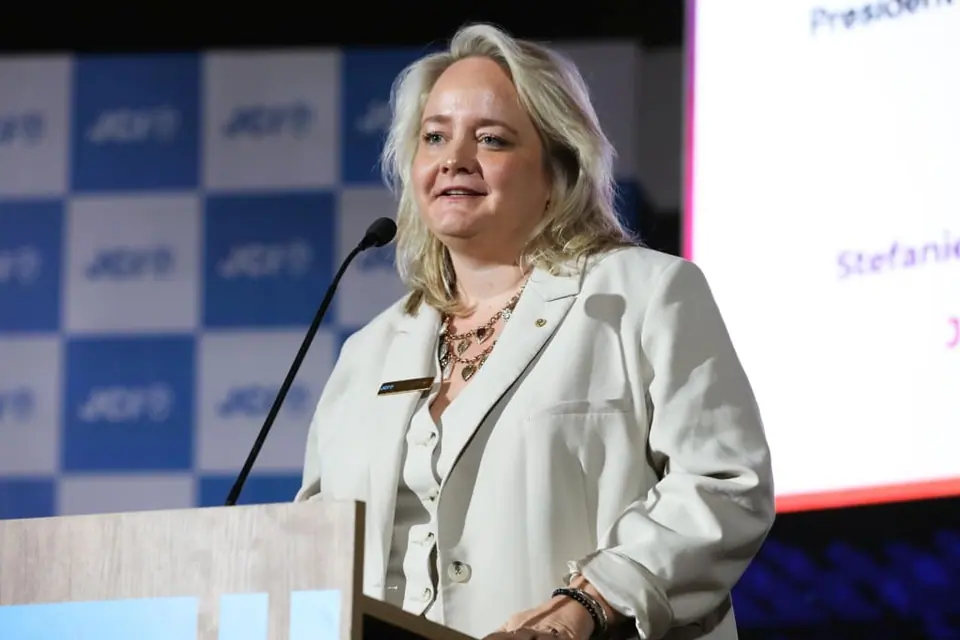
We start our 2026 Leadership Interviews series with the leader of JCI Europe for this year, our JCI Executive Vice President, Stefanie van der Sman from JCI Netherlands.
What does leadership mean to you personally, and how has your understanding of it evolved throughout your JCI journey?
For me, leadership starts with being human and staying true to yourself. But it doesn’t stop there. Leadership means being aware of the impact you have on others and taking responsibility for both results and people.
At its core, leadership is about creating clarity. When people understand the direction, feel trusted, and know what is expected of them, they grow. Sometimes that means giving space; other times it means stepping in and being decisive.
I experienced this clearly during my time as National President, when our Secretary General had to step down due to personal circumstances. In that moment, leadership meant acting quickly and providing structure. I stepped in to create clarity, set direction, and make sure the team felt supported during uncertainty. That experience reinforced for me that leadership is not about control, but about enabling others to move forward with confidence.
JCI also taught me the importance of stepping aside. As Immediate Past President, leadership meant guiding without forcing, supporting without taking over, and trusting new leaders. Even when that meant allowing them to learn through their own experiences.
Ultimately, leadership is not about having all the answers. It is about asking the right questions, guiding the process with humility, and moving forward together.
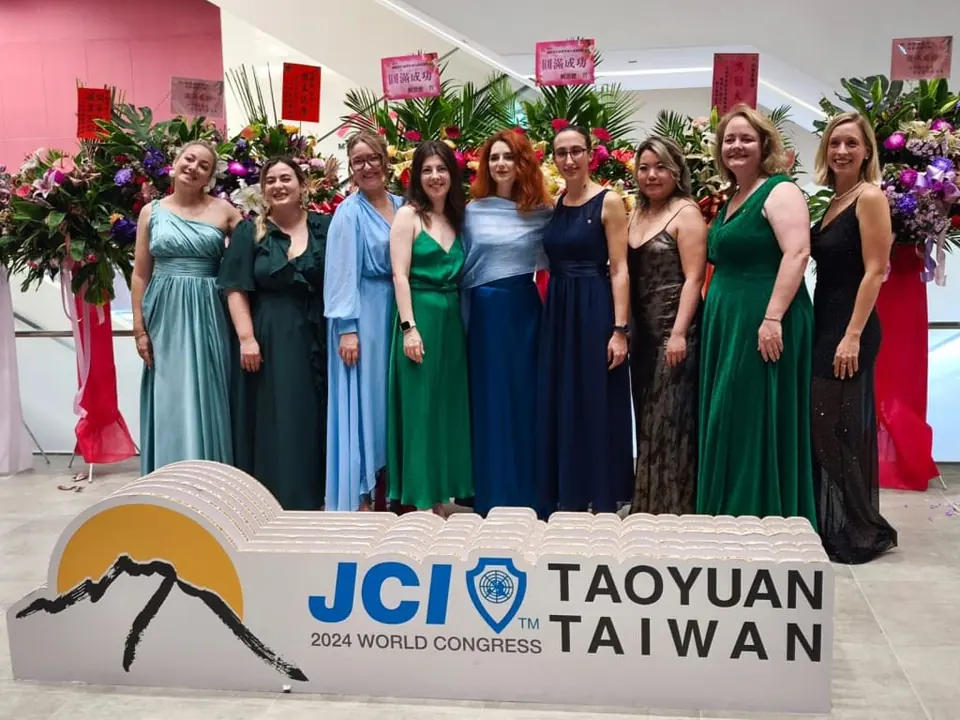
As one of the highest-ranking officers in the organization, what core values guide your leadership decisions and interactions across diverse national cultures?
My leadership is guided by one central core value: connection with impact.
Across diverse national cultures, I strongly believe that meaningful impact starts with genuine connection. I lead with empathy and curiosity, taking time to understand cultural contexts, local realities, and individual motivations. By actively listening and adapting my communication style, I aim to create trust and psychological safety. Essential foundations for effective international collaboration.
At the same time, connection must lead to action and results. I am a results-oriented leader who values clarity, structure, and follow-through. For me, leadership is not only about bringing people together, but also about taking shared responsibility and translating dialogue into sustainable outcomes that benefit members, local organizations, and communities.
This balance allows me to respect cultural diversity while remaining consistent in expectations around accountability and impact. It also helps me empower local leaders rather than imposing top-down solutions. Ensuring that initiatives are both culturally relevant and strategically aligned.
By leading with connection with impact, I strive to build bridges between people, cultures, and ideas, while always focusing on delivering real value and long-term growth for the organization.
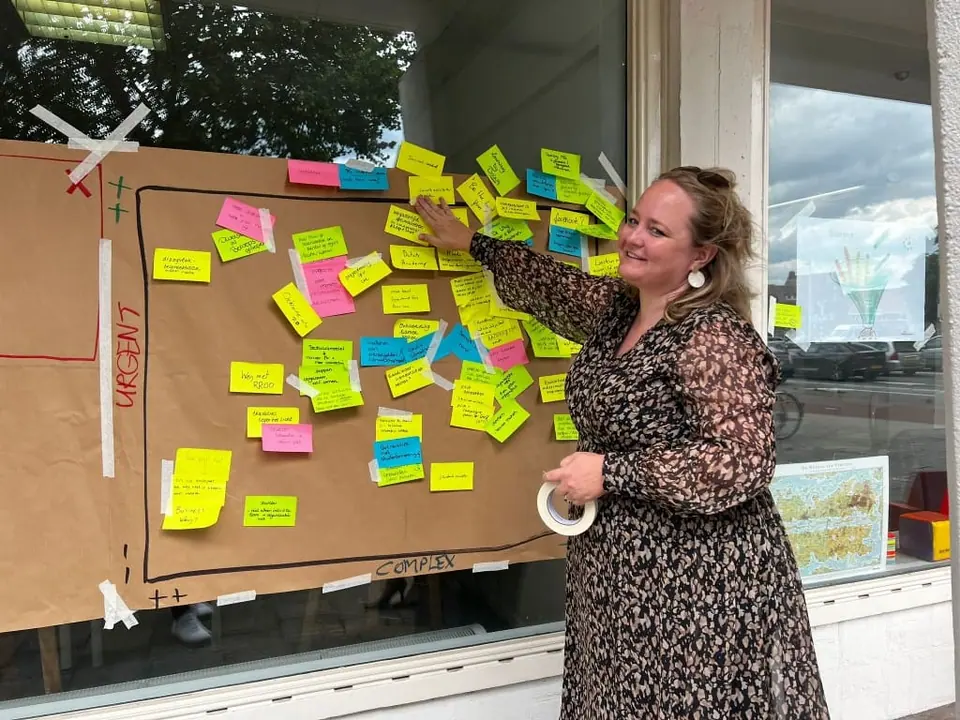
Was there a defining moment in your life or career when you realized you were ready for international leadership responsibility?
There wasn’t one defining moment. My readiness for international leadership grew gradually through experience. Each role and each level; local, national, and later international, built on the one before.
With the encouragement and trust of others, my confidence grew step by step. Working in increasingly complex environments taught me that I can remain focused, structured, and connected to people even when situations are fast-moving or challenging. Over time, international responsibility began to feel familiar rather than overwhelming. That realization showed me that I was ready to contribute at the international level. Not to stand out, but to add value with care, reliability, and commitment.
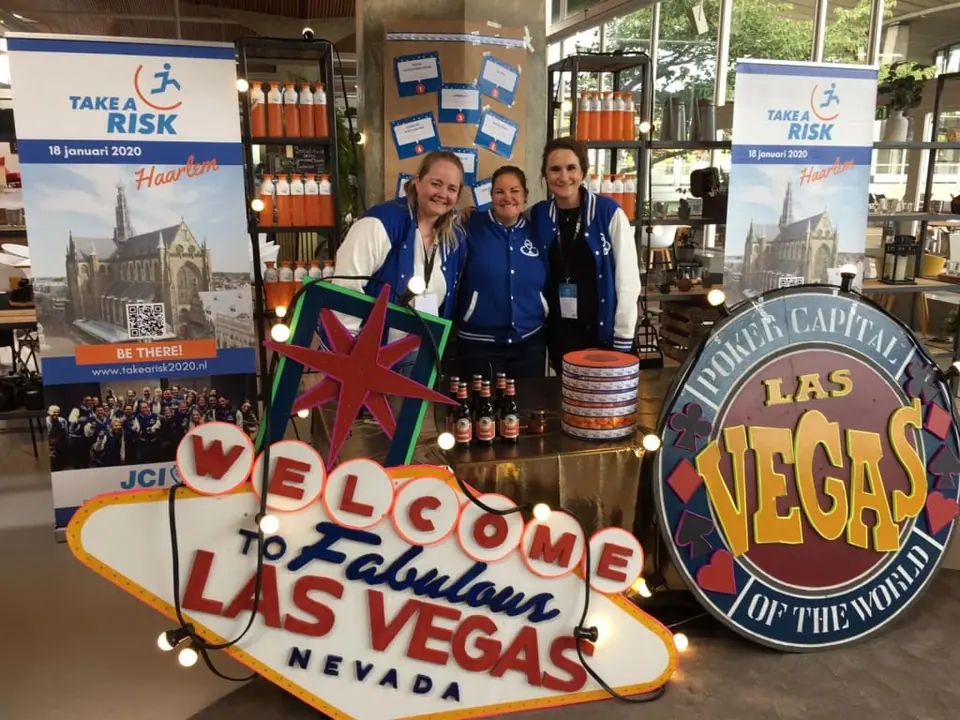
Looking back, which JCI experience or role most influenced your growth and prepared you for the position of Executive Vice President?
Serving on the national board, especially as National President, had the greatest influence on my development. It challenged me to balance vision with reality and ambition with people’s capacity. It also strengthened my confidence to step outside my comfort zone, take responsibility, and think beyond what initially felt possible.
That combination of responsibility and trust prepared me well for international leadership, where clarity, consistency, and human connection are essential.


What key lessons from your early years in JCI have stayed with you and helped you grow as a leader on the international level?
One of the most important lessons I learned early on is that asking for help is a strength, not a weakness. I also learned the value of saying yes to responsibility before feeling fully ready.
JCI showed me that real growth happens when you step outside your comfort zone, stay open to feedback, and keep improving. Not to be perfect, but to be effective and reliable.
JCI offers a rich environment for personal development. Which skills or qualities have you gained through JCI that you rely on most today?
There are many, and I am no longer the same person I was when I first joined JCI over ten years ago. Through JCI, my confidence grew, along with my skills in public speaking, strategic thinking, and working in an international environment.
Today, I rely strongly on cross-cultural communication and my ability to translate complexity into practical action. Most importantly, JCI helped me develop a leadership style that balances results with empathy. Leading in a way that stays human while remaining focused on outcomes.

As you prepare for your EVP year, what leadership strengths do you believe will be most important for you personally to succeed?
Humility, empathy, curiosity, and drive will be most important for me. Humility keeps me open to learning and reminds me that leadership is about service, not position. Empathy and curiosity helps me understand people and contexts across cultures. At the same time, drive ensures that things move forward.
For me, effective leadership means being hard on the content and soft on the people. Combining ambition with understanding.
Leading at this level requires empathy, communication, and resilience—how do you cultivate and maintain these qualities?
Curiosity plays a key role for me. By staying curious, I listen more, ask better questions, and avoid assumptions. It helps me communicate more clearly and respond with understanding rather than judgment.
Curiosity also supports resilience. When challenges arise, I try to learn from them instead of being discouraged by them. This mindset allows me to stay grounded and move forward, even in complex situations.
What are the biggest personal challenges you anticipate in this role, and how do you plan to navigate or prepare for them?
Finding the right balance will be my biggest challenge. Between responsibility and energy, expectations and capacity, work and personal time. I prepare for this by setting clear priorities, trusting others with responsibility, and allowing myself to pause when needed. I’ve learned that sustainable leadership requires self-awareness and boundaries, especially at the international level.
What advice would you give to JCI members who dream of taking on international leadership roles in the future?
Go for it! That would be my first advice. At the same time, talk to people who have been in these roles before you. Ask questions, listen to their experiences, and stay curious.
Say yes before you feel fully ready, build genuine relationships across borders, and focus on learning rather than titles. International leadership is not about being the loudest voice in the room, but about being consistent, reliable, and willing to contribute where it truly matters.
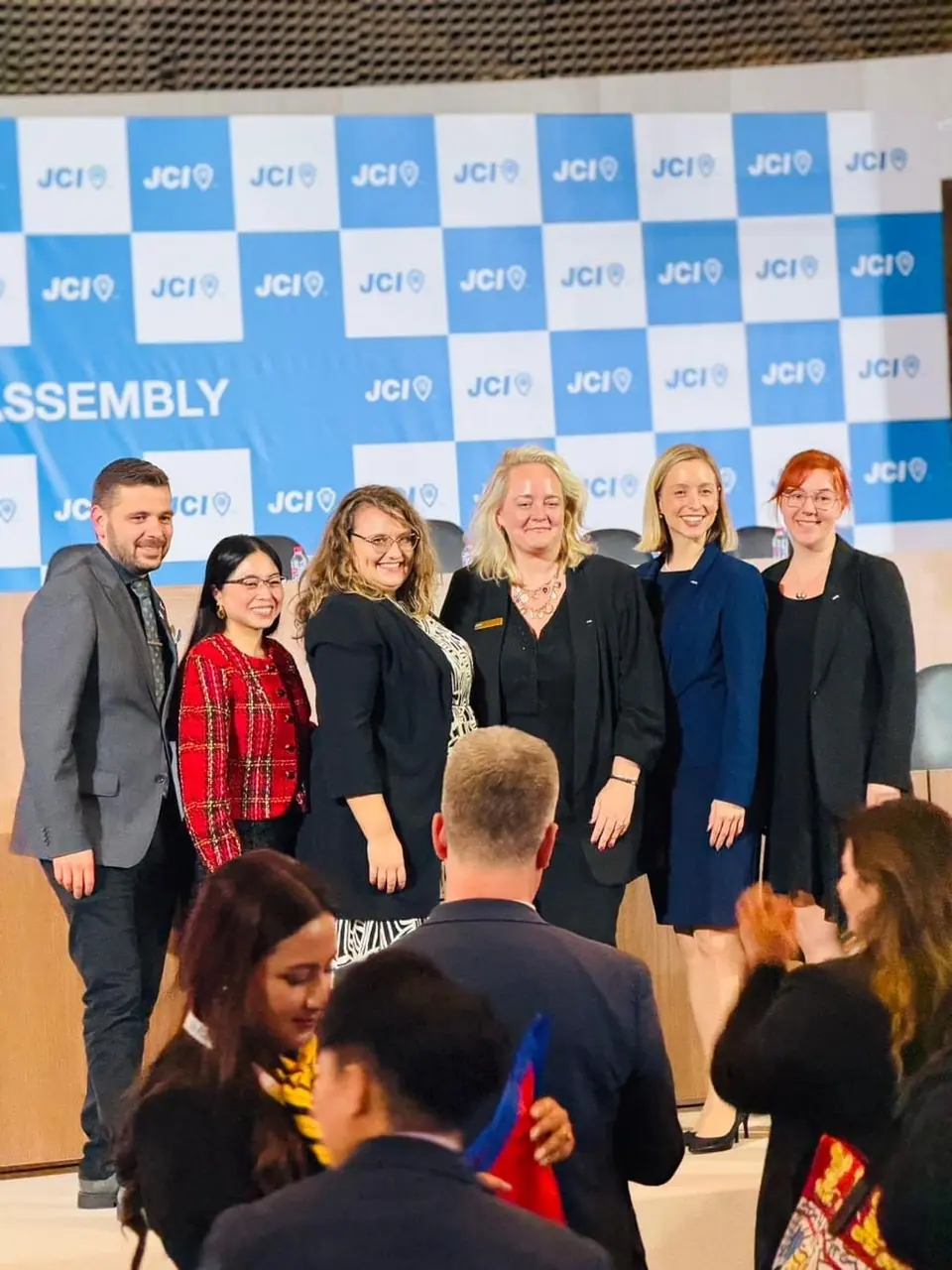
What do you hope your personal leadership journey will inspire in others, especially young women in JCI?
I hope it encourages others, especially young women, to go for it. And to help bend the status quo where needed. We don’t always need to fit into existing norms; sometimes we need to rethink them.
I strongly believe that leadership should be compatible with real life. If a Prime Minister in New Zealand can have a baby during her term of office, then it’s a fair question to ask what we need to do within JCI to make leadership roles work alongside different life phases as well. That conversation matters, not only for women, but for the future sustainability of our organization.
I want my journey to show that you don’t have to fit a certain stereotype to lead internationally. You can be empathetic and decisive, structured and warm. You can lead while building a career, a family, or both. Your perspective is not only welcome: it is needed.
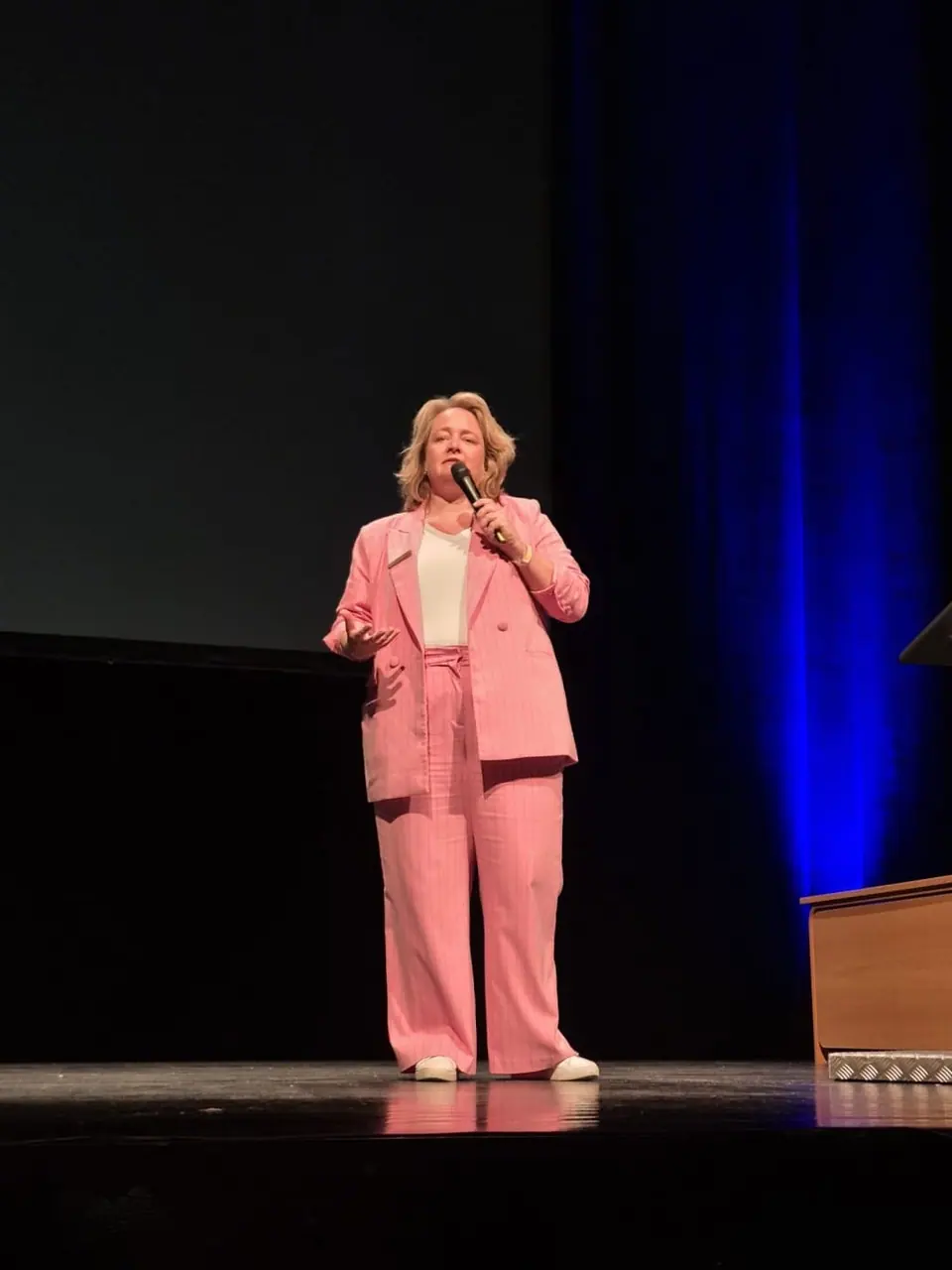
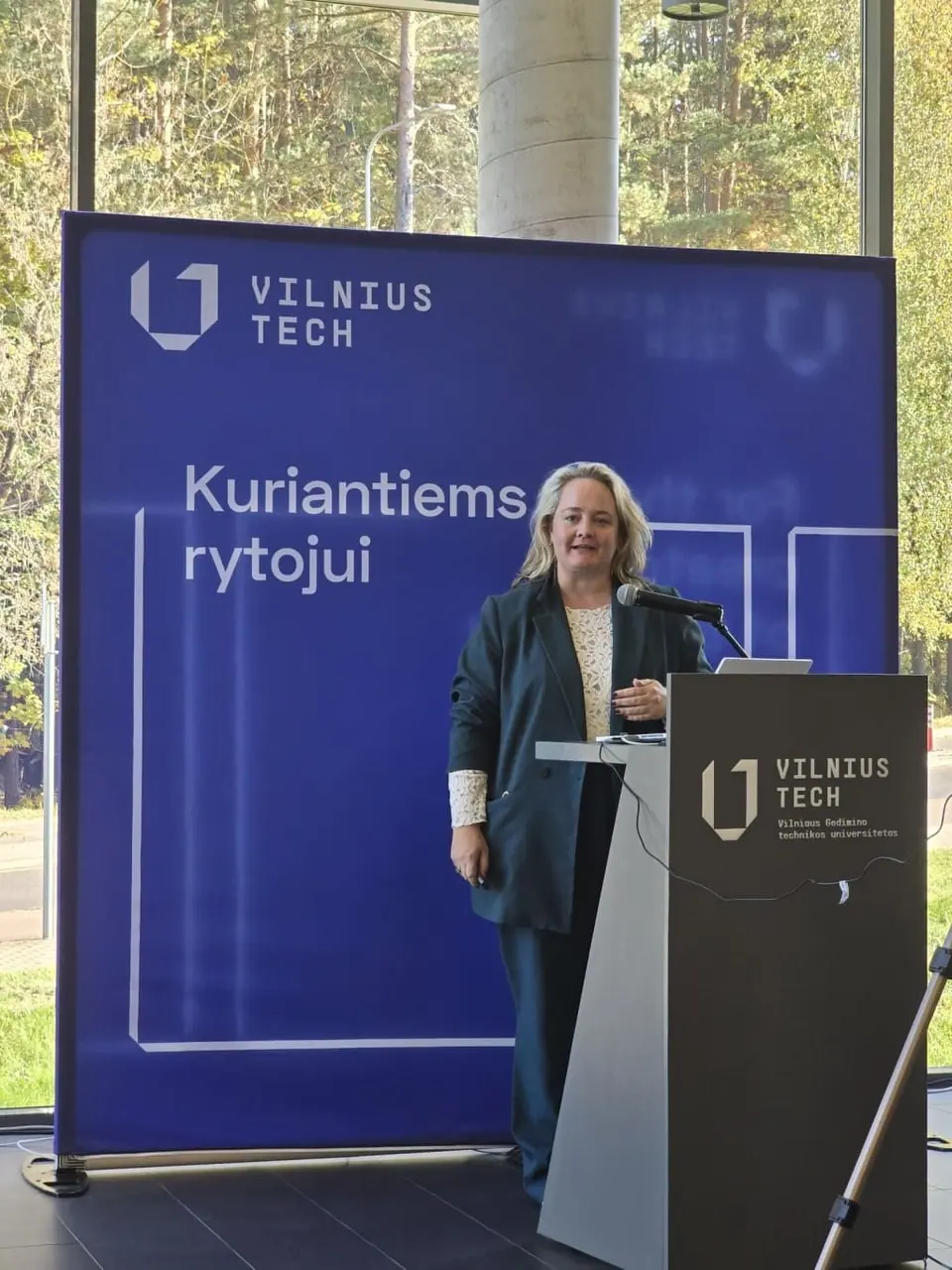
Looking ahead, what kind of leadership legacy do you hope to leave at the end of your EVP year?
At the end of my EVP year, I hope people will say that working with me brought clarity and confidence.
If National Presidents feel supported to take ownership, if leaders feel trusted to step up, and if teams feel better equipped to lead within their own organizations, then I will consider my EVP year a success.
A legacy of clarity, connection, and reliability. Not centered on me, but reflected in others feeling stronger in their leadership, is what I aim to leave behind.
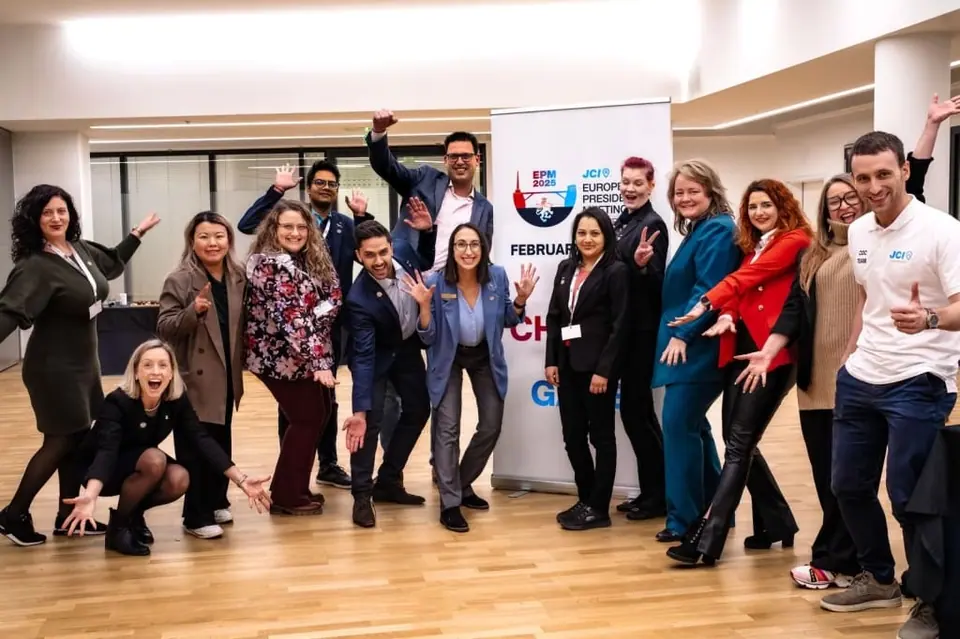
If this story inspired you to become a JCI member, find the National Organisation closest to you.