
· 22 min read · Leadership Interviews
“An effective leader must set the tone, define the path forward, and have the courage to make the call, even if it isn’t unanimous.” – Kevin Hin, Founding Director General of WenCHAM
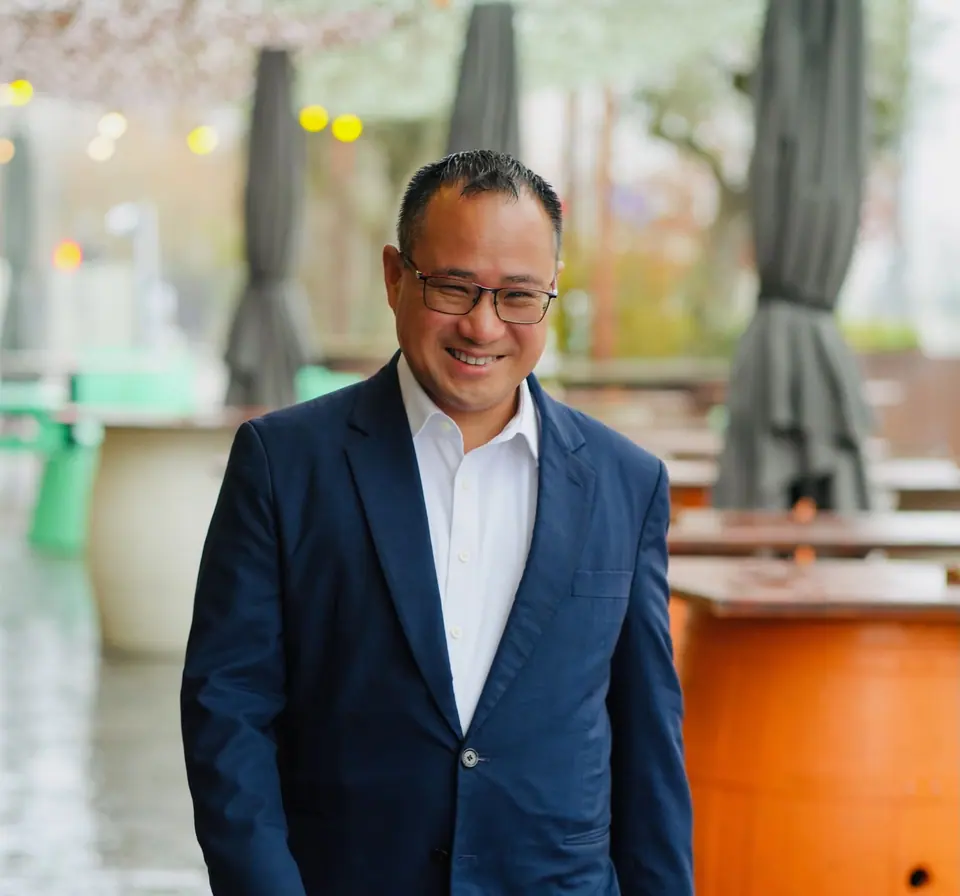
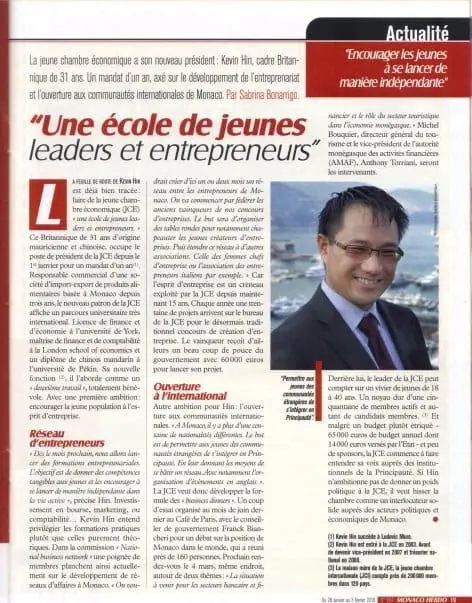
The leader of September is Kevin Hin – Founding Director General of WenCHAM – the World Chamber of Entrepreneurs for Economic Development and past JCI Secretary General 2019-2024. Let’s start by getting to know Kevin better.
Dear Kevin tell us more about yourself.
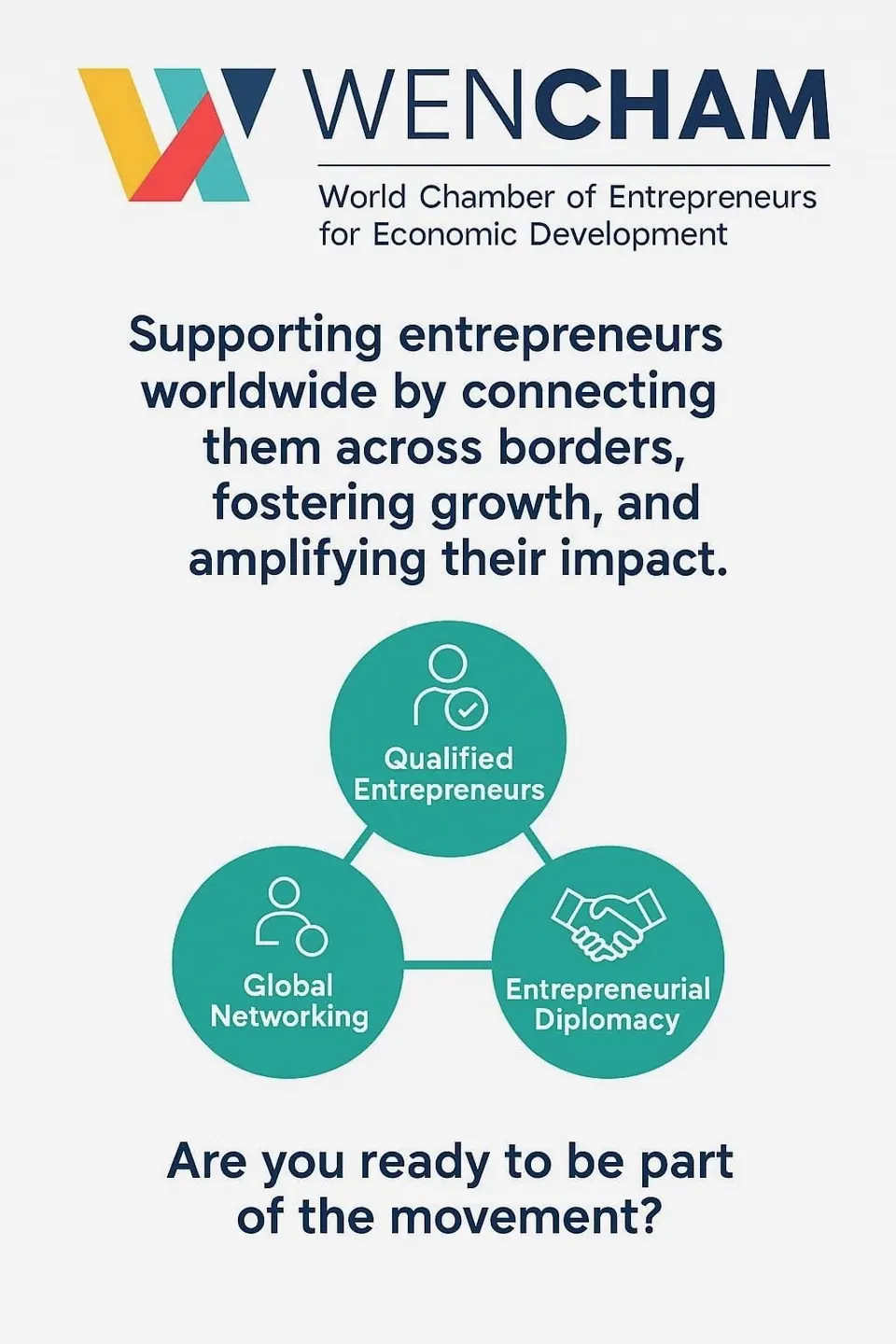
I’ve always been passionate about having life-changing impact on people through leadership development and entrepreneurship, and that passion has taken me on quite a journey. In June 2025, I was appointed Founding Director General of WenCHAM – the World Chamber of Entrepreneurs for Economic Development, powered by the World Business Angels Investment Forum (WBAF). It’s the latest chapter in a career that’s combined business, public speaking, international networks, and a love of bringing people together and making them feel special.
I was born in London to Mauritian Chinese parents, and my family moved to Monaco when I was a child. After earning a Master’s degree in International Accounting and Finance at the London School of Economics, I built a career across very different industries: owning and managing a hotel, working as Deputy Sales Director for the APM Monaco jewellery brand, and consulting in sales and marketing. Each step taught me something new about people, growth, and resilience.
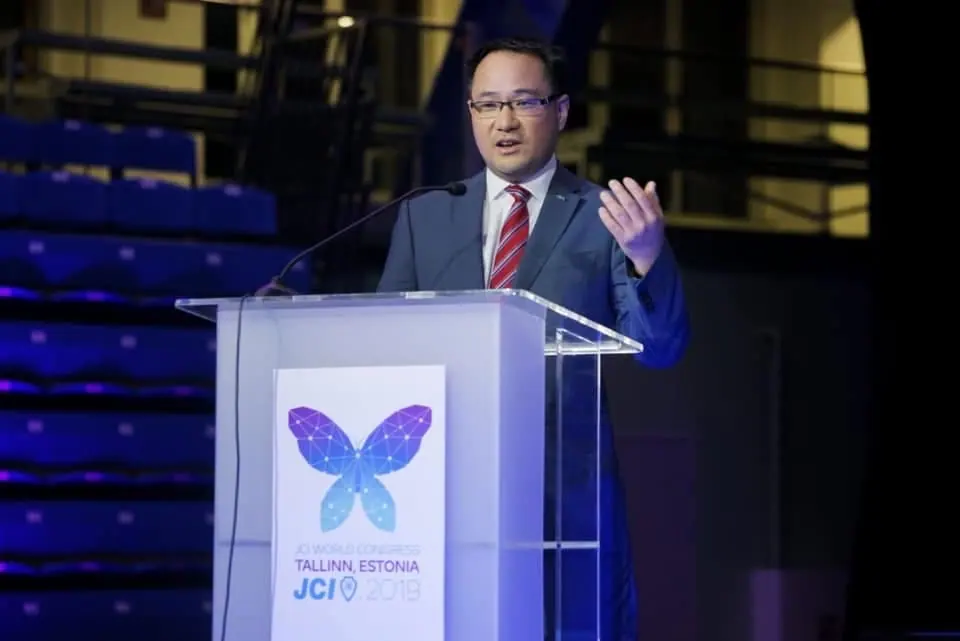
My JCI journey began back in 2003 in JCI Monaco. From Local President in 2006 to National President in 2010, I held a range of leadership roles before stepping onto the international stage. Highlights included serving as Managing Director of the 2013 JCI European Conference in Monte-Carlo, JCI Vice President in 2016, and JCI Executive Vice President and Chairman of JCI Europe in 2018.
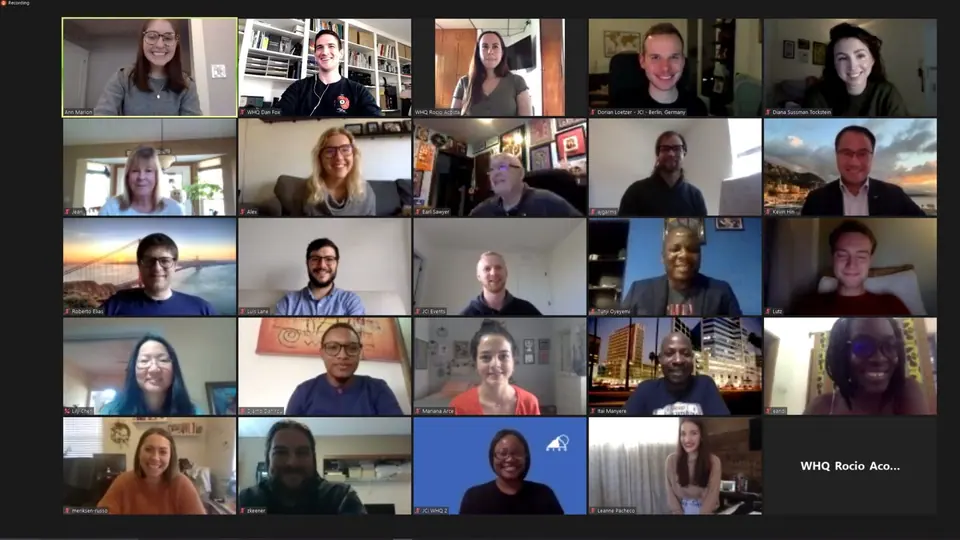
The greatest responsibility came in 2019, when I was appointed JCI Secretary General. From 2020 to 2024, I had the privilege of leading the World Headquarters team, supporting the Board and almost 150.000 members across 120 countries. Steering the organization through a global pandemic, co-creating and implementing a new 5-year strategic plan based on a new global direction, and ensuring financial sustainability were challenging but deeply rewarding experiences.
At the heart of it all, I believe in developing strong, enterprising, and decisive leaders — because empowered individuals can truly make the world a better place.
The personal philosophy of a leader
To start, what does the word “leadership” mean to you personally? Is it a title, an action, or a mindset?
For me, leadership begins and ends with mindset. It’s less about having your name on the top of an organisation chart and more about how you show up each day — for yourself and for others. I often talk about enterprising leadership, because that’s really the heart of it: being resourceful, proactive, and willing to take responsibility, whether the task is big or small.
The first step is always leading yourself. If you can’t manage your own priorities, emotions, and discipline whilst keeping your ego in check, then asking others to follow you is a bit like trying to sell a product you don’t believe in. Once you’ve mastered that, leadership becomes about setting the pace, creating momentum, and showing by example that you’re fully invested in the task at hand.
But the real magic happens when leadership becomes a multiplier. It’s not just about myself delivering results — it’s about empowering others to bring their unique strengths, personalities, and creativity to the project. I’ve always believed that when people feel genuine ownership, they become more engaged, more fulfilled, and ultimately more successful.
That’s why my definition of leadership is never static. It’s not a job title you wear like a crown; it’s a living practice. A leader who empowers hundreds or thousands of other leaders creates a ripple effect that outlasts any single project or role. And that, for me, is the real measure of success.
Was there a specific moment when you first saw yourself as a leader?
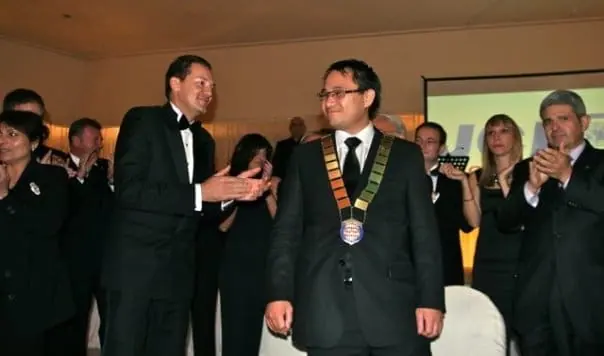
I think I always had the ambition and the instinct, but there was one defining moment that crystallized things for me — and yes, I still remember the date: 19 March 2009. That was the day I ran for Deputy National President of JCI Monaco.
To set the scene: I was very much the underdog. My opponent was a very charismatic lawyer, had the majority of the National Board behind her, and on paper I may not have been the obvious choice. But instead of being discouraged, I prepared meticulously. I sought advice from trusted friends, worked on my speech, developed strong policy and product ideas with a clear vision, sharpened my answers to likely (and potentially hostile) questions, and above all, made sure that whatever I said came directly from the heart.
The campaign was intense, and the final vote came down to just a few ballots. When I won, the satisfaction wasn’t only in the victory itself but in what it represented: preparation, authenticity, and resilience can outweigh appearances. That day taught me that leadership isn’t about being the loudest in the room. It’s about showing up authentically, being well-prepared, and giving people confidence that you can deliver.
Walking out of that room, I realized something fundamental: if I could do this once, I could do it again — and at even higher levels. That belief has shaped my entire leadership journey since and the buzzing sense of achievement that I felt when I won that election is something I still get back to today if I’m feeling out of sorts, as an amazing way to pick myself up.
Who were the biggest influences on your leadership style?
I’ve never modeled myself on one single leader, but rather absorbed lessons from a variety of people and situations — some I worked closely with, and others I only observed from afar.
Growing up in the United Kingdom in the 1980s, the country was led by two strong and competent women who have stood out as historical figureheads. Her Majesty Queen Elizabeth II, who embodied a lifelong commitment to leading and to duty with kindness and a surprising sense of humour, showed me the quiet strength of consistency. Prime Minister Margaret Thatcher, the “Iron Lady,” demonstrated conviction and resilience and helped forge my beliefs in free enterprise, meritocracy and the notion that those who work the hardest to achieve results deserve the greatest rewards. From both, I came to admire strong female leaders who lead with clarity and courage.
In my professional career, one standout influence was Philippe Prette, CEO and President of APM Monaco where I worked for 7 years. His ability to combine international vision with a crystal-clear identity for a new global jewellery brand, while still adapting strategies based on “learning by doing,” left a big impression on me. He proved that you can be ambitious and creative whilst staying anchored in economic reality — a balance I try to bring into every leadership role I take.
So if you ask me who shaped my leadership style, the answer is: many people, in many ways. I take pieces from each, adapt them to my own context, and keep evolving. I think that’s the healthiest way — leadership isn’t imitation, it’s integration.
What values guide you as a leader? Do you have a mentor guiding you?
My guiding values are very much rooted in enterprising leadership. At its core, that means striving to be the best version of myself so I can empower others to do the same. I aim to give people purpose, clear direction, and space to express their creativity, because that’s when results not only meet expectations but often exceed them.
But empowerment doesn’t mean indecision. One of the things I’ve learned is that strong, decisive leadership is essential. Meetings that drag on endlessly because of a small but vocal dissenting minority or a lack of structured leadership don’t inspire anyone. A good leader must set the tone, define the path forward, and have the courage to make the call, even if it isn’t unanimous. Progress is rarely achieved by trying to please absolutely everyone and by hours of brainstorming workshops.
As for mentorship — I have never really had a formal mentor, although I often seek advice from trusted friends or colleagues when I hit a difficult moment. Maybe that’s an area I should work on. Who knows, perhaps reading this someone will volunteer to be my mentor — applications are open! (Just joking. Well, mostly.)
What leadership skills do you think are most critical for the future?
We’re entering an era where leaders need to be both tech-savvy and deeply human. On the one hand, being able to leverage AI and new technologies is already essential — I’ve been pushing myself to learn more in that space this year so I don’t get left behind. On the other hand, leaders must understand the generational and cultural shifts that are reshaping the workplace. What motivates a 25-year-old today is very different from what motivated me at that age.
That said, I don’t think we should lose sight of the timeless skills. Financial literacy, clear communication, negotiation, persuasion and hard work – these will always be vital. Add to that an old-fashioned but underrated quality: common sense. Too often overlooked, but it can save time, money, and entire projects.
So the successful leaders of the future will be hybrids: adaptable, technologically fluent, culturally aware, but still grounded in the fundamentals and delivering massive action and results. In other words, enterprising leaders who can balance innovation with wisdom and don’t expect everything to fall into their laps without any effort.
The JCI journey
Take us back to the beginning of your journey. Why did you join JCI, and what was the most valuable lesson you learned?
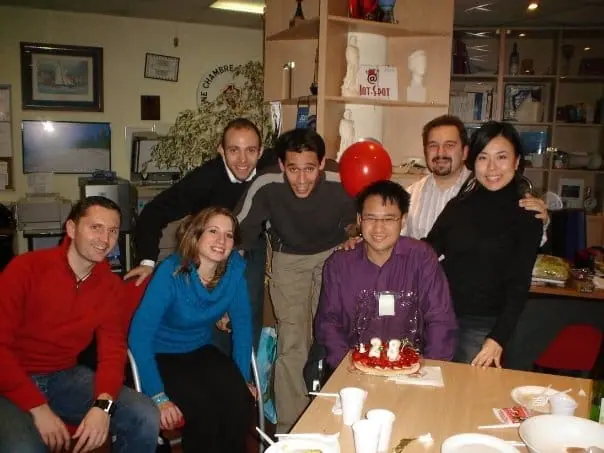
I first came across JCI Monaco in late 2002, shortly after moving back home after 6 years studying and working abroad, at the age of 23. A newsletter landed in my hands, and I remember being impressed by the calibre of the projects and the smartly-dressed members. Still, I wasn’t entirely sure what the organization was about, if it was reserved for Monegasque citizens only or anything about an age limit. A year later, a new friend mentioned he had joined and had just attended a training on yield management led by none other than Sir Stelios Haji-Ioannou, the founder of easyJet. That was enough to spark my curiosity.
I went to a welcome meeting at the end of 2003, initially just looking to meet new friends. But I immediately felt drawn to the energy of the people around me. Very soon, I jumped into my first project in 2004: organising networking happy hours in Monaco. It wasn’t glamorous, but it was hands-on, fun, got me out of my comfort zone and gave me a taste of the teamwork that would become a constant in my JCI life.
One of the first real lessons came a year later. By 2005, I realized that several rather extroverted members who had joined at the same time as me had already been invited to step into leadership roles. Meanwhile, I was still the guy working quietly in the background and being “overlooked for promotion”. That stung a little, but it taught me something invaluable: if you want to grow, you can’t just wait to be noticed. You need to be assertive, to raise your hand, and sometimes to step into the spotlight even if it feels uncomfortable.
It’s a lesson I carry with me to this day — and one I always share with more introverted team members. The quiet person at the back of the room often has the sharpest ideas. They just need the encouragement, or sometimes the push, to step forward and not feel inferior to the more assertive personalities. And that’s why I’ve always had a soft spot for the underdog.
Can you share a specific JCI project, role, or event that was a turning point for you? How did it directly contribute to your leadership skills?
In early 2009, I had the idea to create a new committee at JCI Monaco with English as its working language. The goal was twofold: to integrate Monaco’s large international community into JCI, and to give local members a chance to practice and improve their English.
What started as an experiment quickly took off. We had around 20 members showing up to our weekly meetings – twice as many as other projects – which created a wonderful mix of cultures and perspectives. Together we organized a series of business dinners in English at some of Monaco’s most prestigious venues. We invited ministers and decision-makers to speak on issues that mattered to the international community. The turnout was incredible — around 160 people per event — and, importantly, we ran them sustainably, generating a financial surplus each time.
For me personally, this was a turning point. I wasn’t just helping behind the scenes to run a project anymore; I was managing a team, chairing meetings, navigating protocol, and coordinating large-scale events that attracted real attention. It stretched me in every possible way — organisationally, diplomatically, and even in terms of personal branding.
And the timing was perfect. I was running for Deputy National President that year, and this project gave me both the confidence and credibility to step up. Looking back, that committee wasn’t just about English-speaking dinners; it was the springboard that propelled me towards higher leadership roles in JCI. It was the moment I realized: “Yes, I can lead on a bigger stage.”
Think about the biggest professional challenges you’ve faced. How did the skills and confidence you gained in JCI (e.g., project management, public speaking, international collaboration) help you navigate them?
One of the biggest leaps in my professional life came in 2017. After several years working in retail sales and managing agents from behind a desk at APM Monaco, I was suddenly put in charge of expanding the brand’s business across Germany, Austria, and Central/Eastern Europe. There was only one small problem: I didn’t speak German — apart from a few words remembered from school — and I had never really seen myself as a natural-born salesperson.
But I had just come out of a successful year as JCI Vice President for Europe, where I was responsible for eight countries: Romania, France, Türkiye, Serbia, Croatia, Luxembourg, Portugal, and Slovakia. That role had pushed me to engage constantly with members on the ground, make impromptu speeches, listen to their needs, and work with them to find solutions.
So instead of feeling like an imposter, I reframed the challenge. I told myself: “This is just like visiting JCI members — but with a sharper sales pitch.” I focused on building trust, understanding people’s needs, and positioning myself as a reliable problem-solver who always answered the phone rather than a pushy salesman. The result? Within two years, sales in my area had tripled.
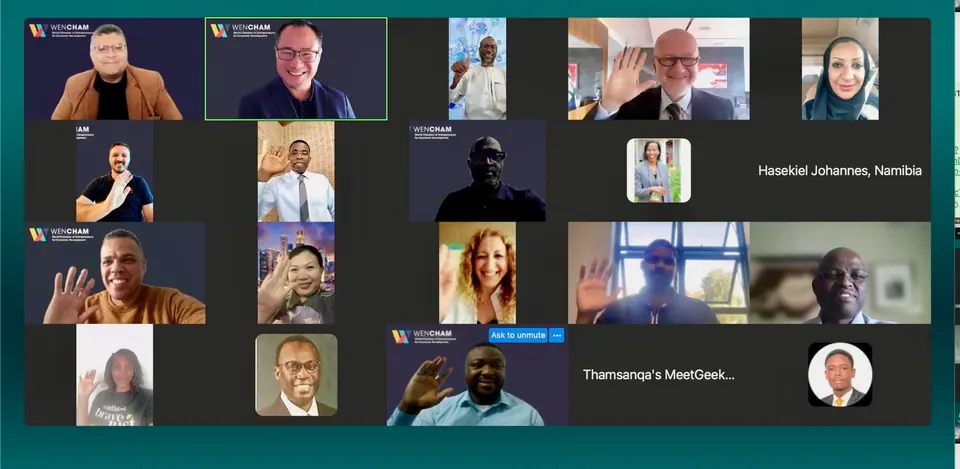
Fast forward to 2025: since this summer, I’ve been drawing on those same JCI skills again in launching WenCHAM in 16 countries and building a new organisation from scratch in 4 months. From project management to network building, from motivating national team leaders across 5 continents to public speaking, everything I honed in JCI is proving essential. The truth is, JCI has been my lifelong training ground. Whatever challenge comes my way, I know I’ve already faced something similar — just with a different label.
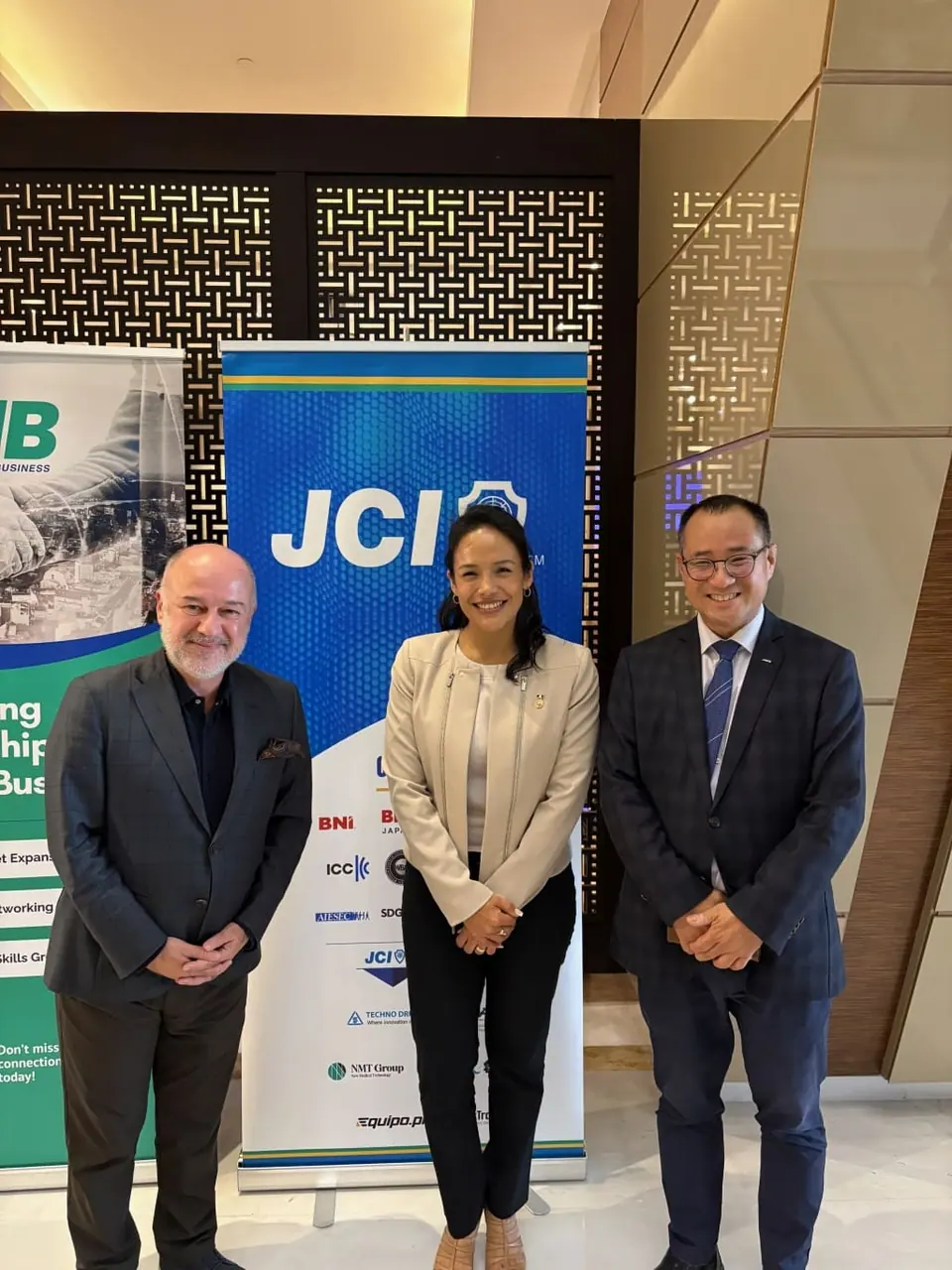
The JCI Creed states that “service to humanity is the best work of life.” How has this principle influenced your career choices and leadership actions?
That line from the Creed has always resonated with me, but perhaps not in the way people might expect. Many link it directly to charity work or one-off community projects. I learned early on, though, that JCI isn’t a charity – it’s a leadership development organisation. Its mission is to empower young people – individuals – to become leaders in business, government, and civil society so they can have long-term impact on thousands or millions.
I’ll never forget one of my early experiences in Liverpool in England, where hundreds of us gathered early on a rainy Sunday morning to clean up the streets. By Monday, the litter was back. It was a powerful lesson and I never made the same time-wasting mistake again: if our contribution is only surface-level, the impact disappears overnight and people get demotivated.
For me, “service to humanity” is about something deeper: inspiring and empowering others so that they go on to create lasting change. It’s about leadership as a multiplier effect. If through a conversation, a piece of advice, or even just listening, I’ve given someone the confidence to take their own next step — that’s real service.
The most rewarding moments in my JCI journey have been when people come up to me years later, reminding me of something I said in passing that helped them make a decision or keep going during a difficult time. The same happened with members who told me my video messages during Covid gave them hope or direction. Those moments remind me that leadership isn’t always about grand speeches or massive projects. Often, it’s about a quiet word at the right time that echoes for years.
What was your path to leadership within JCI? What motivated you to take on leadership roles within the organization?
My path to leadership in JCI was anything but linear. What inspired me at first was the international dimension. With family ties to three continents and a childhood as a foreign resident of Monaco, I always felt drawn to cross-cultural environments. So it’s no surprise that when I first stepped onto the international JCI stage, I felt right at home.
My first big exposure was the 2009 European Conference in Budapest, shortly after being elected Deputy National President of JCI Monaco. Then came the JCI Academy in Kagoshima, Japan — an unforgettable experience that opened my eyes to the scale of this global network. Suddenly, I realized this wasn’t just about local or national projects; it was about being part of a worldwide movement.
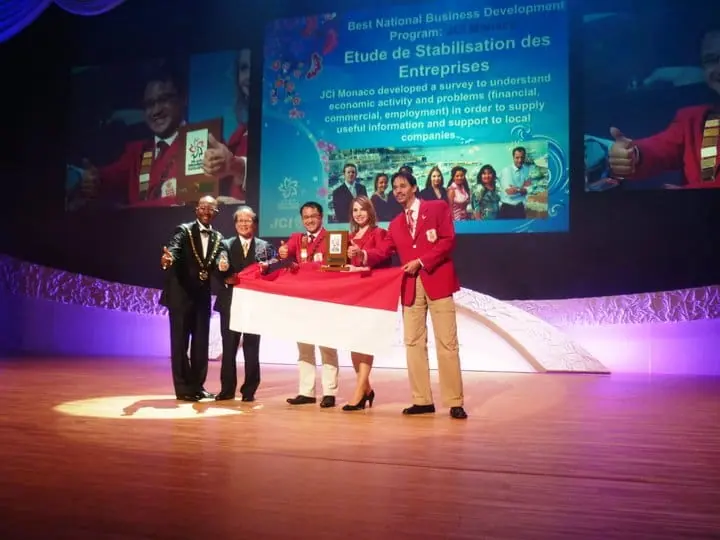
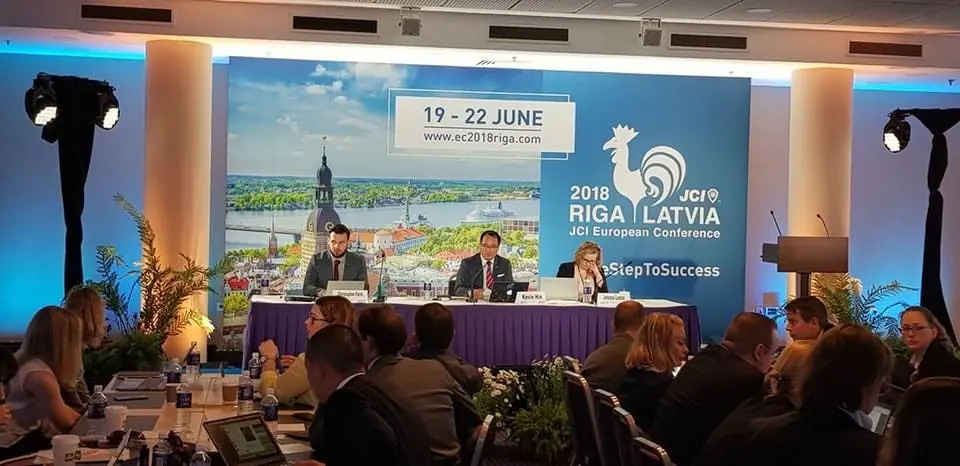
From there, I never really had a master plan. I just seized opportunities as they came and stayed true to my values, with my feet on the ground: organising the 2013 JCI European Conference in Monte-Carlo with almost 3000 delegates, serving as JCI Vice President, then Executive Vice President, chairing the 2018 European Conference in Riga, Latvia. Each role stretched me further, and each time it was the friendships and inspiration from others that pushed me to keep going.

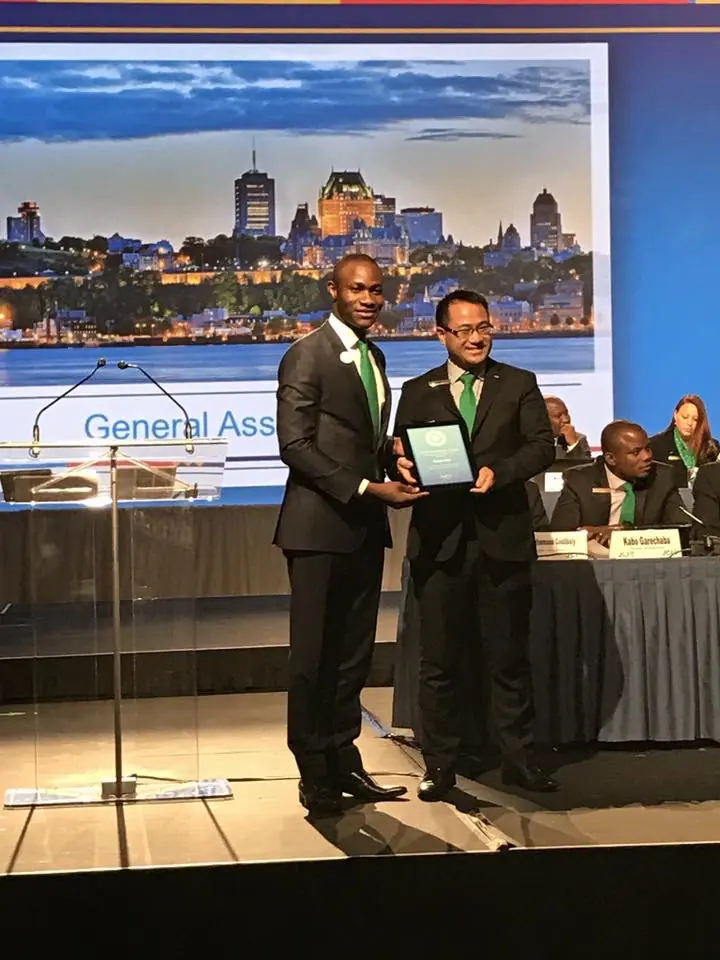
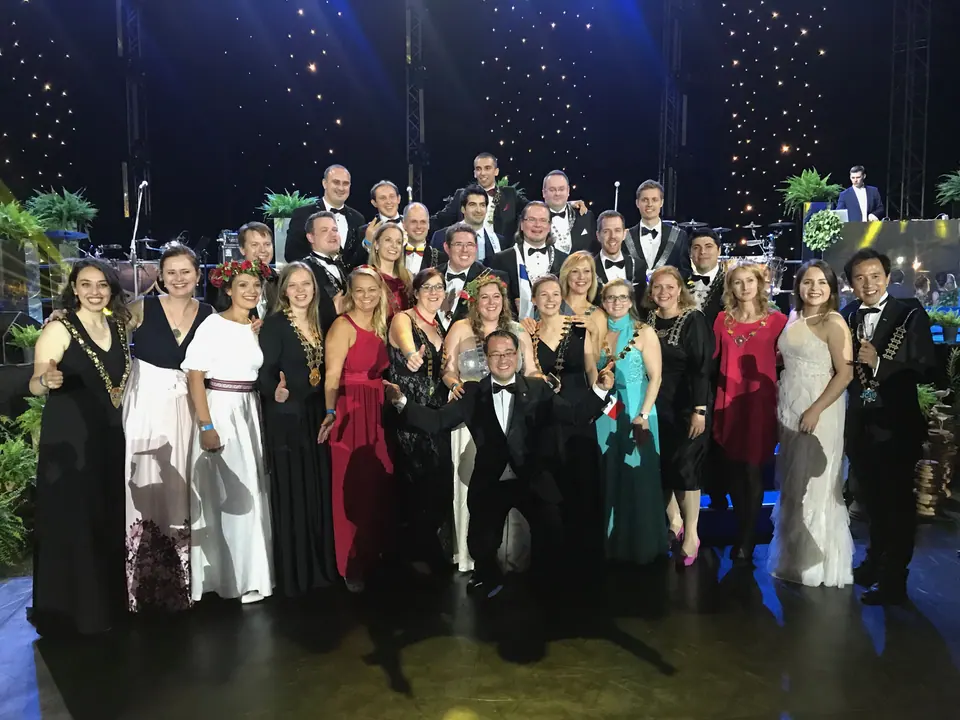
I remember being at the World Congress in Goa in 2018, just finishing my EVP term, and thinking: “I’m about to turn 40 — is this it? No it cannot be, my gut feeling is that there is more I can give!” The answer came a few months later, when the Secretary General position became vacant. The timing felt almost fated. I applied, was appointed, and spent the next five years working hard to modernise and strengthen the organisation that had given me so much.
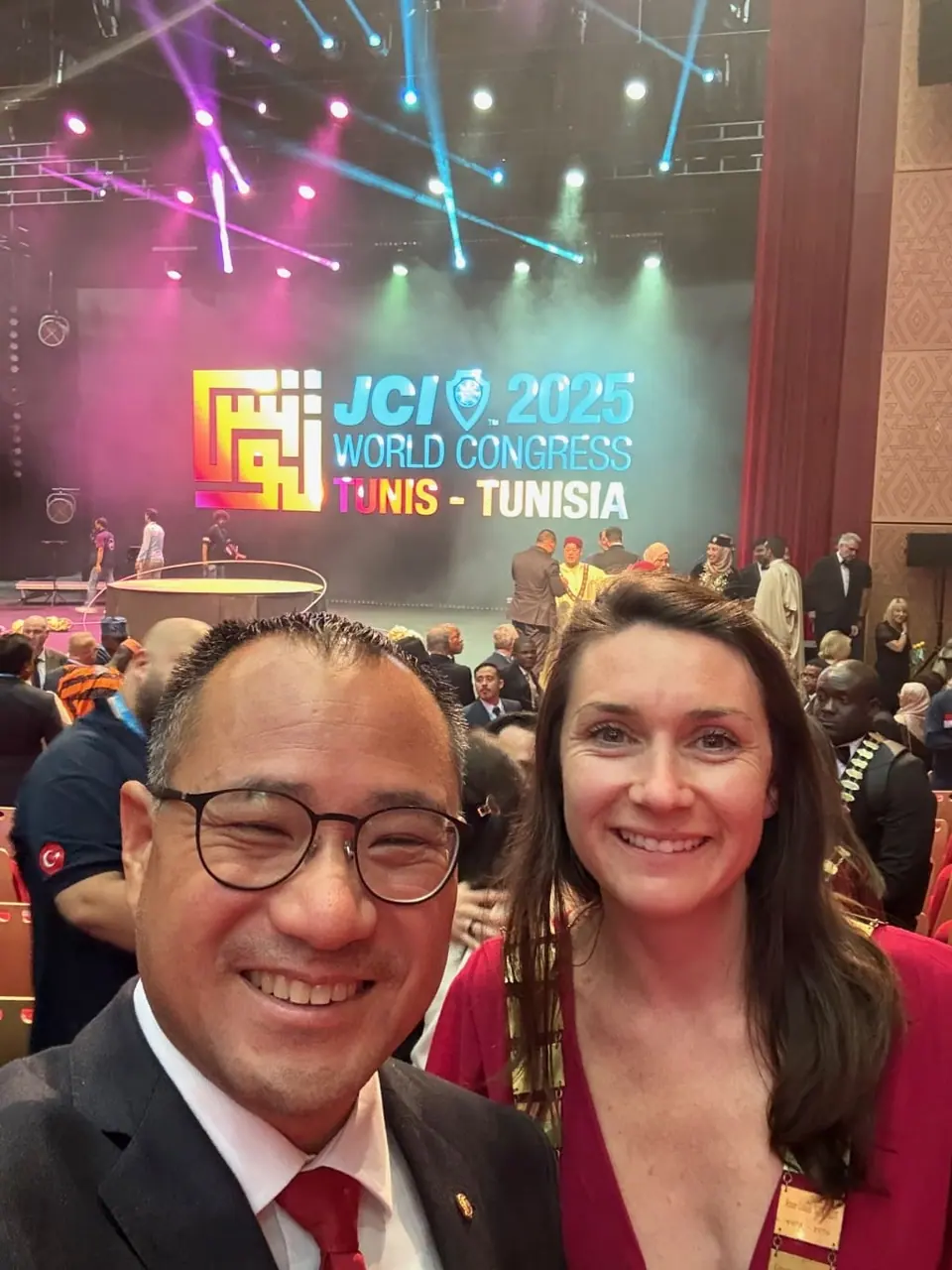
That is why returning to the 2025 World Congress in Tunis this year was meaningful. It was energising to reconnect with staff and members, and equally rewarding to see how strongly the organisation has continued to move forward under the leadership of my successor, SG Elvin Teo. You see the growth, the renewed confidence, and the positive momentum — and you realise that leadership in JCI is never an individual journey. It is a relay, and you are simply one of the people carrying the baton for a while before passing it on at full speed.
Wisdom for the next generation
Leadership is a continuous journey. What do you do to keep developing yourself as a leader? Are there any books, podcasts, or resources you’d recommend to someone wanting to grow their skills?
One of the best decisions I made at the start of this year was to create more structured space for my own development. After years of operating in permanent execution mode, I needed a framework that would keep me sharp rather than simply busy. That’s where the 12 Week Year by Brian Moran and Michael Lennington came in. I adapted its principles to my own workflow — shorter cycles, clearer priorities, and weekly accountability — and it has fundamentally changed the way I plan, act, and measure progress. It has given me a cadence that keeps momentum high without burning out.
At the same time, I made learning a daily habit again. Audible has been invaluable for that. Long walks have turned into focused sessions on leadership, productivity, and performance. The 10X Mentor by Grant Cardone is an unapologetic push toward bigger ambition. Atomic Habits by James Clear is the gold standard for mastering small, repeatable behaviours. The Now Habit by Neil Fiore reframes work so you optimise effort instead of stretching hours. And to keep perspective, I still rely on historical podcasts such as The Rest is History — understanding how leaders behaved, thrived and sometimes failed in their era is essential to interpreting today’s challenges.
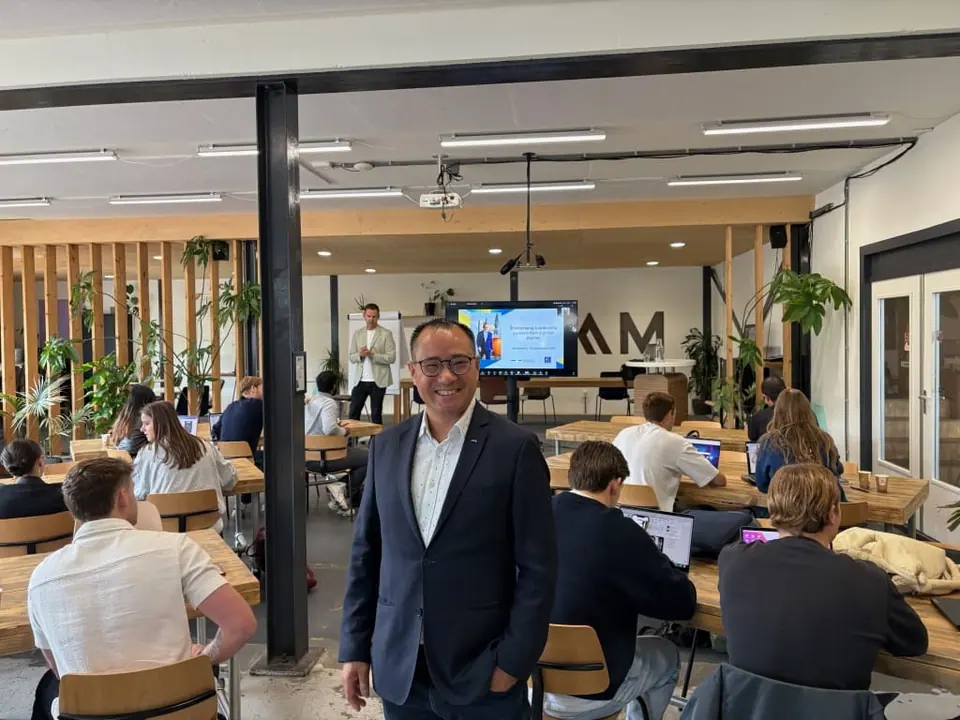
A surprising source of growth this year came from teaching. In September, I travelled to the Netherlands to deliver a guest lecture at the Unknown University of Applied Sciences in Amsterdam and The Hague on enterprising leadership, speaking about crisis management, scaling up globally and stakeholder resistance. The students, all entrepreneurs, were exceptionally engaged and curious; they asked thoughtful questions that made me dig deeper into the practical realities behind each concept.
In the end, leadership development is simple: stay curious, stay accountable, and stay in motion. Books, frameworks, and podcasts are tools — the real evolution comes from applying them, testing them, and refining your own approach in the real world.
Imagine you are speaking to a young professional who is considering joining JCI. What would you say to them?
My advice would be simple: don’t overthink it — just join. Keep an open mind, say yes to opportunities, and see where the journey takes you. JCI has a funny way of giving you what you didn’t even know you needed.
When I meet prospective members, I always try to understand what truly drives them. Some are looking to expand their business and entrepreneurial skills. Others want to push themselves out of their comfort zone through personal development. Some are hungry for friendships and international connections. And of course, many want to make a positive impact in their communities.
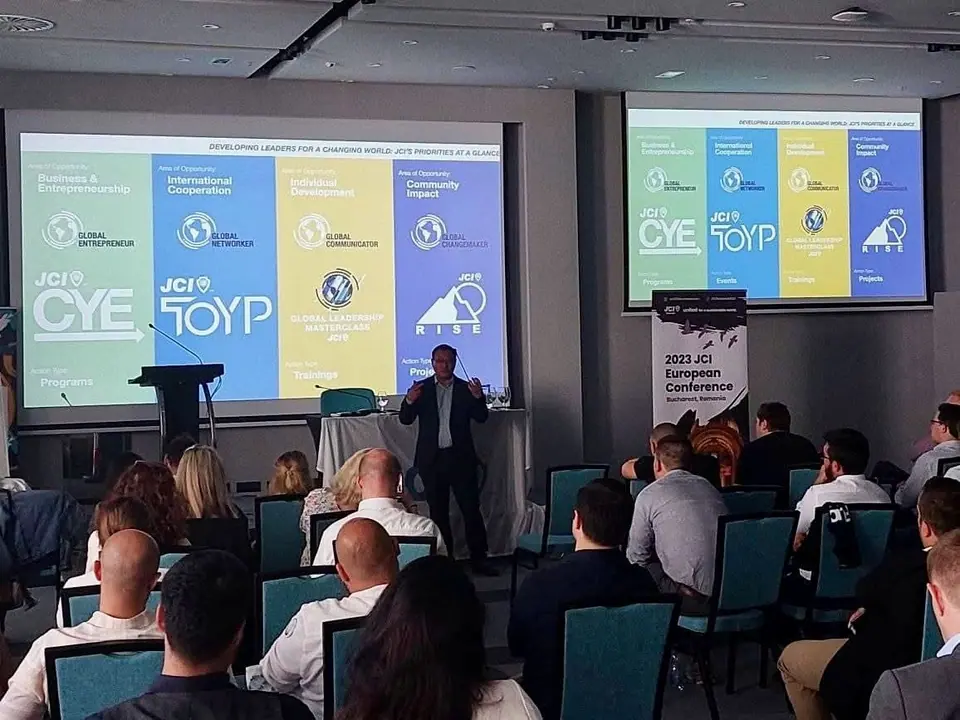
That’s the beauty of JCI’s four areas of opportunity — there’s something for everyone. My advice is to start in the area that excites you most, so you feel the value quickly. But then, don’t stop there. Challenge yourself to explore the other three areas as well. That’s how you become a well-rounded leader, capable of navigating any challenge life throws at you.
So yes, JCI will change your life — but only if you let it. It’s like a gym: you pay to get in but you need to work hard and consistently to get results, but the results will come. The key is to throw yourself in wholeheartedly, because the return on that investment is extraordinary.
If you could give one single piece of advice to a young JCI member who aspires to be a leader in their field, what would it be?
My advice would be: find a role model who inspires you, set clear goals — and then stop waiting and start doing.
Too many people spend endless hours drafting plans, tweaking presentations, getting feedback, hoping for a consensus that never comes or waiting for the “perfect” moment. The truth is, the perfect moment doesn’t exist. Leadership is about taking massive action, learning from mistakes, pushing forward and adjusting as you go.
When I reflect on the moments that shaped me, they weren’t desk-bound periods of planning. They were the occasions when I said yes before I felt entirely ready or stepped into situations that demanded quick thinking and adaptability. Even recently, during my trips to Armenia and the Netherlands, I met young members who reminded me of this truth. Many of them were brimming with potential but holding back until they felt “more prepared.” And the best advice I could offer them — the same advice I offer you — is to move. Say yes. Step forward with a new project idea. Growth begins the moment you leave the safety of certainty.
If you could go back to the start of your career and JCI journey, is there anything you would do differently?
Honestly, not much. I feel that most of my decisions were well-timed and aligned with my personal values, and each experience came when it was meant to. I don’t live with many regrets, because even the missteps taught me something valuable.
If I had to choose one thing, though, it would be joining JCI’s international events sooner. When I first became a member in 2004, I was busy running a hotel that I owned in Nice, which made travel difficult. It wasn’t until 2009 that I attended my first European Conference. Looking back, I wish I’d had that exposure earlier — before I turned 30 — because those international events are where the magic really happens. They broaden your perspective, connect you to amazing people from around the world, and give you the sense of being part of something much bigger.
That being said, maybe the timing was right. By the time I got there, I was ready and mature enough to appreciate it fully. Sometimes the journey unfolds exactly as it should.
To conclude, what is one final message or thought you would like to share with our audience of current and future enterprising young leaders?
If I could leave you with one message, it would be this: never lose belief in yourself. Challenges will come — some expected, many not — but every obstacle is also an opportunity in disguise. Mistakes will happen, but they are often the best teachers. And while life can sometimes feel unfair, I genuinely believe that everything happens for a reason, even if you only understand it much later.
So don’t be complacent and wait for the easy path or the perfect timing. Be enterprising. Lead by example. Make others feel special. Take personal ownership of every project. Take pride in what you have achieved and what you will achieve. Undertake massive action and leave as little as possible to chance.
As I step forward myself — currently through my candidacy to serve as JCI Senate Monaco National President in 2026 — I do so with the same conviction I encourage in others: that leadership is a continuing journey, not a finished chapter. There is always another contribution to make, another generation to inspire, another horizon to reach.
Because when you live and lead with that mindset, one truth becomes clear: your story isn’t defined by what you’ve already achieved. It’s defined by what you will build next. And for me — and hopefully for you too — the best is yet to come.

If this story inspired you to become a JCI member, find the National Organisation closest to you.